

A beautiful wedding does not begin with choosing flowers, a stage, or a venue. It begins with a clear enough plan to ensure that every decision contributes to the same story. For many couples, the biggest challenge is not a lack of ideas but having to manage the budget, dozens of vendors, family schedules, and unexpected situations simultaneously. Wedding services wedding consultation help turn scattered tasks into an organized system with clear priorities, a manageable budget, and a seamless wedding-day experience. This article explores how to choose an organizational model, build a Budget Plan, understand wedding planning price lists, and implement practical risk management procedures in Da Lat and Ho Chi Minh City.
What Is Wedding Planning Consultation? When Should Couples Hire a Full-Service Wedding Planner?
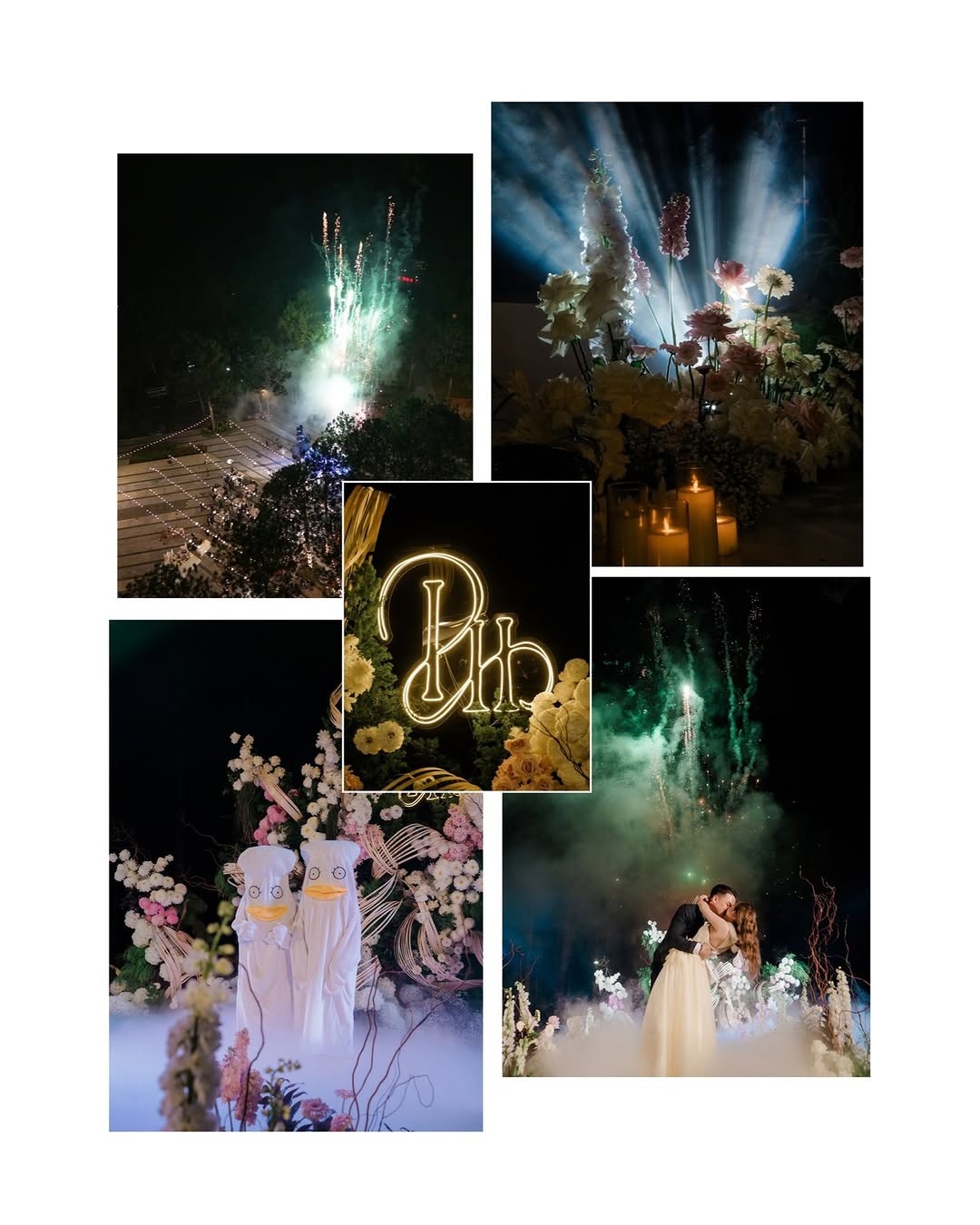
When developing a wedding plan, wedding consultation is the process of working with a couple to define their goals, style, budget, guest count, and required level of support before making service purchasing decisions. A professional Wedding Planner does more than recommend vendors. They also act as a project manager, overseeing tasks, deadlines, costs, contracts, execution quality, and contingency plans. Couples should consider hiring a full-service planner when preparation time is limited, multiple vendor teams are involved, the wedding takes place outside their city of residence, the celebration is outdoors, or the concept requires a high degree of personalization.
From Concept to Wedding Day: What Does a Wedding Planner Manage?
A comprehensive plan typically includes needs assessment, concept and moodboard development, budget forecasting, venue inspections, vendor selection, quotation and contract management, timeline creation, program rundown development, rehearsals, setup coordination, and wedding-day operations. For full-service wedding planning, the key is not how many tasks the planner takes over, but their ability to connect everything into a logical sequence. For example, the guest arrival time affects the photography schedule, lighting setup, makeup schedule, flower transportation, and even the restaurant's meal service.
The Pine approaches wedding management based on the single-point-of-contact principle: every category has an assigned person, deadline, estimated budget, confirmed budget, and alternative plan. This approach means couples do not have to remember dozens of separate conversations and reduces the risk of a small change by one vendor disrupting the entire plan.
How Is Full-Service Wedding Planning Different from Organizing Your Own Wedding and Hiring Individual Vendors?
Planning everything independently is suitable for couples with plenty of time, relatively simple wedding arrangements, and a willingness to personally supervise every supplier. Hiring individual services provides greater freedom of choice, but also means couples must coordinate the venue, decorations, sound and lighting, photography, videography, makeup, outfits, MC, entertainment, and transportation themselves.
Meanwhile, full-service wedding planning Hiring a company responsible for the overall structure means determining which budget items should take priority, which vendors depend on others, which milestones must be finalized first, and which risks require contingency plans. The greatest value is not doing more work, but reducing the cost of poor decisions, minimizing last-minute changes, and ensuring that the bride and groom do not spend their wedding day managing event operations.
4 Key Challenges to Address from the Start: Concept, Budget, Vendors, and Timeline
The four key areas that should be finalized as early as possible are: concept to establish the overall aesthetic direction; budget to define financial limits; vendors to ensure execution capabilities; and timeline to ensure every task is completed in the correct sequence. If the concept changes after the venue or vendors have been confirmed, the costs of redesigning, replacing materials, adjusting lighting, and adding staff can increase rapidly.
- Concept: should originate from the couple's story, personalities, venue, and desired guest experience.
- Budget: Set a target budget, maximum spending limit, and contingency fund before requesting quotations.
- Vendor: Choose vendors based on their suitability for the concept and ability to collaborate, not simply the lowest price.
- Timeline: Divide the schedule into decision milestones, payment deadlines, production milestones, and acceptance milestones.
Full-Service Wedding Packages and Costs: What Is Included in a Wedding Reception Package?

When reviewing a wedding planning price list, couples should clearly distinguish three cost categories: consultation and management fees, third-party vendor expenses, and conditional additional costs such as overtime, guest-count changes, or weather-related adjustments. A professional quotation should clearly specify the scope of work, number of revisions, staffing, working hours, included services, and excluded services. The Pine does not treat an all-inclusive package as a fixed price for every wedding because the scale, venue, and level of design customization can vary considerably.
A-to-Z Full-Service Wedding Planner Package: Consultation, Budgeting, Vendor Management, and Coordination
A full-service A-to-Z Wedding Planner package is suitable for couples who want a comprehensive management system, from the initial concept to the end of the wedding day. Its scope typically includes concept consultation, moodboard development, Budget Plan creation, vendor lists, quotation comparisons, negotiation support, contract management, timeline creation, rundown development, rehearsals, and on-site coordination.
For couples looking for all-inclusive wedding packages in Ho Chi Minh City, the questions should go beyond the planner's fee and focus on the extent of their management responsibilities: Do they track actual spending? Do they review vendor contracts? Do they coordinate with the venue? Are they responsible for the rundown? Do they have a dedicated on-site team? A clearly defined package helps prevent situations where a service is called all-inclusive but the bride and groom still have to coordinate all the important details themselves.
Wedding Day Coordination Package: Ideal for Couples Who Have Already Prepared Most of the Wedding Details
Day-of Coordination is suitable when couples have already selected their venue, signed contracts with most vendors, and finalized their general concept, but do not want to manage operations themselves on the wedding day. The planner takes over the documentation, reviews the timeline, confirms vendor contacts, checks delivery schedules, organizes rehearsals, coordinates setup logistics, and manages the program.
One important consideration is that wedding-day coordination cannot completely fix decisions that were made incorrectly several months earlier. Therefore, The Pine generally requires an early enough handover period to identify potential issues, such as unrealistic setup schedules, insufficient power supply, overlapping vendor transportation times, no person assigned to wedding gifts, or family ceremonies missing from the rundown.
Wedding Design & Decoration: From Fine Art and Garden Weddings to Da Lat Pine Forest Celebrations
Decorations are where a concept becomes a tangible experience through colors, materials, fresh flowers, lighting, dining tables, walkways, stages, and guest touchpoints. In the Fine Art style, elegance usually comes from proportions, materials, and consistency rather than an excessive number of decorative details. A Warm Amber & Ivory or White & Sage Green color palette can be implemented in very different ways depending on whether the setting is a garden, resort, or pine forest.
In Da Lat, designs must account for terrain, humidity, wind, transportation distances, and natural lighting conditions. Practical experience in Da Lat climate helps the team determine which materials are suitable for outdoor use, which structures need reinforcement, which flowers require special preservation, and when setup must be completed to avoid rushing under unfavorable weather conditions.
Factors That Affect Wedding Reception Costs Based on Scale and Style
Costs do not increase linearly with the number of guests. A small wedding requiring imported flowers, a custom stage structure, multiple layers of lighting, or a difficult-to-access venue may still cost more than a large celebration with a minimalist concept. When reviewing a wedding planning price list, couples should check at least the following variables:
- Number of guests and table arrangements.
- Indoor venue, garden, resort, or outdoor location requiring temporary infrastructure.
- Level of customization for the backdrop, stage, floral ceiling, gallery table, and signage system.
- Flower varieties, proportion of fresh flowers, imported materials, or custom-made products.
- Sound, lighting, screens, live bands, and entertainment performances.
- Transportation, accommodation, and staffing costs for destination weddings.
- Setup time, overtime, and post-event dismantling requirements.
Therefore, a good quotation should show couples the cost structure rather than just one total figure. When the budget is limited, a planner can prioritize elements that have the greatest impact on the guest experience and simplify items with lower perceived value.
Creating a Realistic Wedding Budget: How to Estimate Costs and Avoid Unexpected Expenses

A wedding budget should be treated as a decision-making tool, not a summary prepared after the money has already been spent. From the first wedding consultation, The Pine typically needs to understand three figures: the target budget, the amount of flexibility available, and the maximum spending limit. The difference between these three figures determines the contingency fund and the overall financial security of the plan.
Allocate Your Budget Based on Priorities Instead of Distributing It Equally Across All Wedding Items
There is no single correct budget allocation ratio for every couple. Those who prioritize dining experiences will allocate their budget differently from those who prioritize decorative spaces or photography. A practical approach is to rank each category into three groups: essential, high emotional value, and optional. Only then should the budget be allocated.
A reference framework can start with the venue and F&B as the largest expense categories, followed by decorations, photo and video, outfits and makeup, entertainment, and event management, while maintaining a separate contingency fund. This is only a budgeting model, not The Pine's fixed price list. If a couple wants to invest heavily in the overall atmosphere, the decoration budget can increase while less important categories are adjusted accordingly.
Transparent Budget Plan: Track Vendor Quotes, Expenses Paid, and Remaining Budget
A useful Budget Plan should include at least the estimated budget for each category, quotations under comparison, confirmed prices, deposits, payment schedules, outstanding balances, and the person responsible. More importantly, every change should immediately reflect its impact on the overall budget.
The principle of controlling additional expenses: never approve an individual change without first understanding its impact on the total budget and contingency fund.
During wedding management, real-time tracking helps prevent situations where each vendor adds just a little extra, but the cumulative amount eventually creates a significant budget overrun. This is also the foundation of The Pine's goal of optimizing costs by 15-20% through suitable vendor selection, scope management, and timing rather than mechanically reducing quality.
Commonly Overlooked Expenses When Managing Your Own Wedding
Frequently overlooked expenses are often not part of the initial concept images but emerge during event operations. Examples include venue overtime fees, additional electricity, round-trip transportation, team accommodation, vendor meals, additional printing, guest-count adjustment fees, corsages, thank-you gifts, ceremonial accessories, shuttle vehicles, gift-table attendants, cleaning fees, and late dismantling charges.
For traditional ceremonies, couples should also allocate a separate budget for ancestral altar ceremony, home decorations, ceremonial gift trays, family support staff, and transportation time between locations. When these tasks are not incorporated into the same timeline, conflicts can easily arise between makeup appointments, photography, ceremonies, and guest arrivals at the main reception.
Optimize Your Wedding Budget by 15–20% Through the Right Choice of Vendors, Scale, and Timing
Optimizing costs by 15-20% does not mean cutting 15-20% from every category. A more effective approach is to reduce waste: select vendors in the appropriate price range, confirm decisions at the right time, minimize changes after production begins, reuse selected decorative elements where appropriate, optimize flower quantities according to key viewing areas, consolidate transportation, and negotiate package scopes.
For example, instead of distributing dense floral arrangements throughout the entire venue, the budget can be concentrated on the ceremony aisle, the couple's table, the stage, and the main photography area. Transition areas can use lighting, candles, fabric, and foliage to maintain the aesthetic. This preserves the overall atmosphere while improving cost efficiency. The Pine sees this as a design and operational challenge, not simply a price-cutting exercise.
Full-Service Wedding Planning Process: How Does The Pine Put Its Plans into Practice?

A clear process helps couples understand what decisions need to be made at each stage without becoming overwhelmed by too many choices at once. At The Pine, full-service wedding planning is divided into four stages: defining the story, securing resources, managing execution, and coordinating the wedding day.
Step 1: Discovering the Love Story and Creating a Personalized Concept and Moodboard
The first meeting should not begin with choosing colors. The planner needs to understand how the couple met, what they want their guests to remember most, how comfortable they are with traditional ceremonies, and what their lifestyle is like. Only then can the concept have a meaningful foundation. A moodboard should communicate not only flowers and colors but also materials, lighting, typography, table settings, outfits, photography style, and the overall guest experience.
A bespoke concept can begin with a small personal memory: their first trip together, a song, a coffee-drinking habit, a city that holds special meaning, or the way they want both families to come together. Personal details do not necessarily need to be expressed through words. They can be translated into a color palette, materials, table names, or a personalized ceremony.
Step 2: Finalizing the Budget and Venue and Building a Vendor Network That Matches the Wedding Style
After developing the concept, the planner proposes a target budget and selects venues appropriate for the guest count. Vendors are selected based on three criteria: professional quality, stylistic compatibility, and collaboration capabilities. Even an excellent vendor can create operational risks if they do not fit into the overall system.
At this wedding consultation stage, quotations must be compared using the same scope of work. A supplier with a lower total price is not necessarily cheaper if transportation, setup staff, or working hours are excluded. The Pine prioritizes comparing prices for equivalent tasks and clarifying all conditions before couples make their decisions.
Step 3: Creating the Timeline and Rundown and Managing All Tasks Before the Wedding
The project management timeline answers the question of when decisions must be finalized, while the wedding-day rundown specifies who does what, where, and when. These two documents serve different purposes but must remain connected. A good timeline should include design approvals, outfit fittings, makeup trials, final guest counts, payments, production, transportation, and rehearsals.
The rundown is more detailed, organized by minutes or time blocks, and includes makeup, photography, first look if applicable, ceremonies, guest reception, the start of the celebration, speeches, performances, outfit changes, and the conclusion. Each milestone should have an assigned person responsible and a contingency plan in case of delays. This is a core part of wedding management because incidents often occur at the handover points between two teams rather than within a single vendor's operations.
Step 4: Rehearsals, On-Site Coordination, and Preserving Every Emotional Moment on the Wedding Day
Before the wedding, The Pine reviews the venue, confirms floor plans, guest flow, technical positions, vendor areas, and delivery milestones. On the wedding day, the coordination team supervises setup, checks finishing details, coordinates vendors, updates family members, and handles unexpected changes without involving the bride and groom in unnecessary operational decisions.
The goal is not to make the wedding run like a mechanical production. A good rundown must allow flexibility to preserve the emotional flow: giving the family a few extra minutes when needed, adjusting performances if guests arrive late, or delaying a technical cue so an important moment is not interrupted.
Tips for Choosing the Right Wedding Consultation Service and Wedding Planner
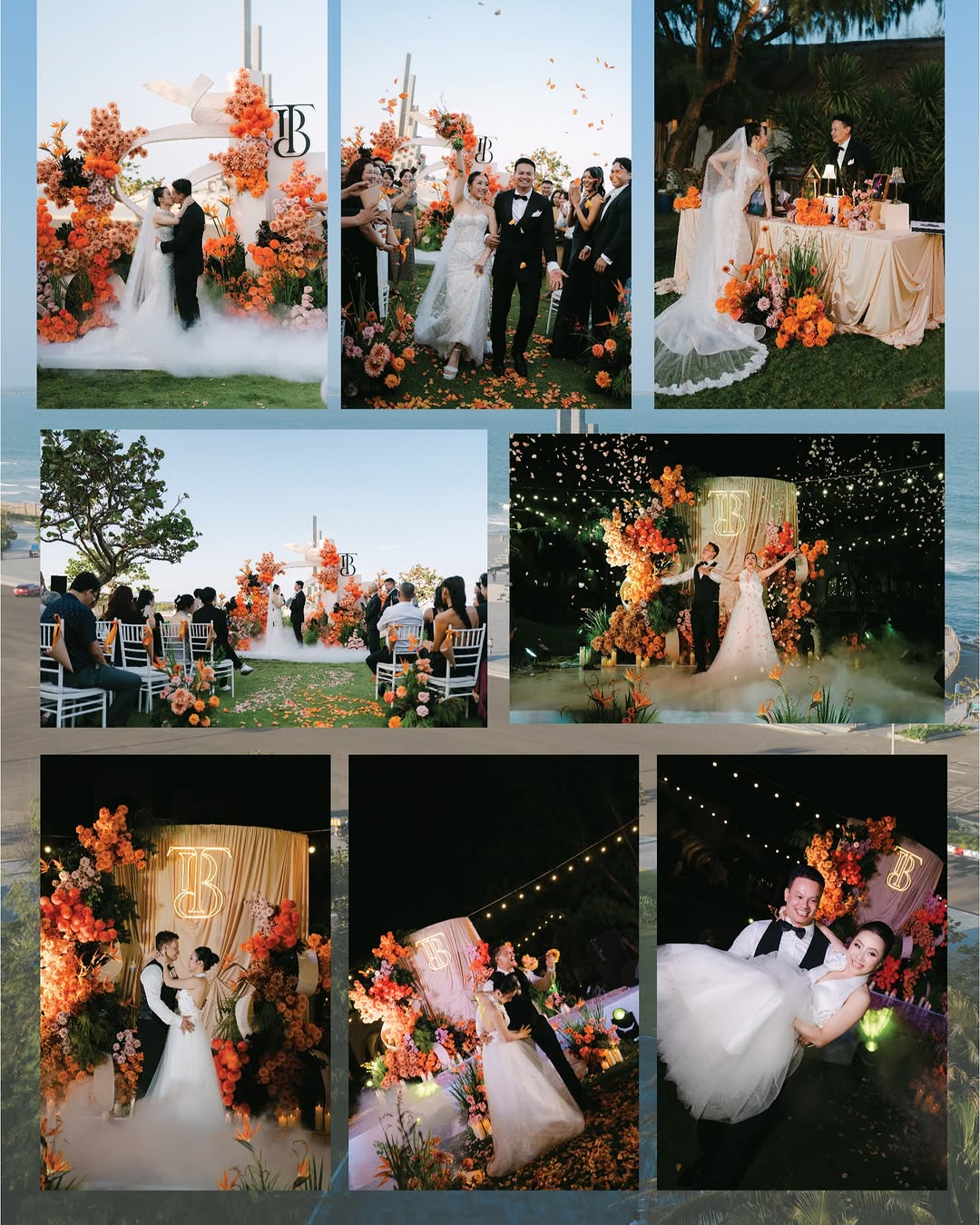
Choosing a planner should be like choosing a project manager and a representative of the couple's desired experience, not simply selecting an aesthetic style. A beautiful portfolio is a prerequisite; the process, financial control, and on-site management capabilities are what truly demonstrate service quality.
Wedding Planner Evaluation Checklist: Experience, Processes, Vendors, and Budget Management Capabilities
- Does the planner carefully ask about goals, budget, and priorities before recommending services?
- Do they have a clear process covering concepts, quotations, contracts, timelines, and rehearsals?
- Do they provide a Budget Plan that tracks estimates, actual spending, payments, and contingency funds?
- Are vendor selection methods and the division of responsibilities between parties transparent?
- Do they have a dedicated on-site coordination team and a designated decision-maker for unexpected incidents?
- Do they have contingency plans for weather, staffing, equipment, and timeline changes?
- Does their portfolio demonstrate different storytelling approaches, or does it repeatedly use the same layout?
A good wedding consultation helps couples better understand their own planning challenges even before signing a contract. If the conversation focuses only on selling packages without asking about the budget, guests, families, venue, and potential risks, couples should request clarification about the management process.
Why Is Experience with Da Lat's Terrain and Climate Especially Important for Outdoor Weddings?
Da Lat provides a very distinctive setting but also creates various operational challenges: changing temperatures throughout the day, fog, localized rain, wind, humidity, transportation routes to certain areas, and limitations on power supplies or setup times. A beautiful concept on paper must be evaluated to determine whether it can remain stable, dry, sufficiently illuminated, and safe during actual operations.
Local experience allows planners to develop Plan B from the beginning instead of waiting for unfavorable weather forecasts before responding. This may include selecting an indoor alternative space, preparing suitable shelters, determining the decision time for switching plans, reinforcing structures, and agreeing with the venue on procedures in case of rain.
How to Determine Whether a Concept Is Truly Custom-Designed or Simply Adapted from an Existing Template
Couples can ask planners to explain the reasoning behind each design decision. Why was this color palette chosen? Why is the stage positioned there? Which details originate from the couple's story? Does the layout account for guest behavior and the venue? If the explanation is simply that something is trending or involves changing the colors of an existing design, the level of personalization may be limited.
A bespoke concept does not necessarily need to be complicated. It needs to be consistent and intentional. A stationery collection, seating arrangement, fragrance, playlist, or ceremonial detail designed for the right context can sometimes create a stronger impression than extensive decorations that have no connection to the couple's story.
Wedding Risk Management Scenarios: From Da Lat Weather to Wedding-Day Vendor Issues

Wedding risks cannot be eliminated entirely, but they can be anticipated, prioritized, and addressed with contingency plans prepared in advance. The more detailed the plan, the more options the team has when circumstances change. The objective is to resolve issues behind the scenes so that guests' experiences and the family's emotions are affected as little as possible.
Plan B for Outdoor Weddings: Rain, Wind, Temperature, and Venue Changes
Plan B should be designed alongside Plan A from the very beginning. For rain, there must be a decision deadline for switching plans and an alternative venue. For wind, backdrops, hanging flowers, signage, and lightweight equipment must be inspected. For low temperatures, heaters, light blankets, hot beverages, or adjustments to outdoor activity durations may be considered.
The important point is that Plan B must preserve the spirit of the concept rather than simply moving everything to a covered area. The Pine generally prioritizes designing elements that can be relocated or rearranged and determining the relocation sequence in advance to minimize interruptions.
Handling Timeline Delays, Staff Shortages, or Setup Errors Without Disrupting the Guest Experience
When the timeline falls behind, the planner must identify which segments can be shortened without affecting important ceremonies. For example, transition times can be reduced, performances can be rearranged, or the welcome area can open earlier. If a vendor is short-staffed, assistance can be coordinated for tasks that do not require specialized expertise, while priority is given to completing areas visible to guests.
For setup errors, the principles are to prioritize safety, functionality, and key viewing areas. A minor unfinished detail in a low-interaction area can be addressed later, while the stage, walkways, electrical areas, and ceremonial elements must be inspected immediately. The planner needs sufficient authority to make decisions without waiting for the bride and groom to approve every minor task.
Incident Priority Matrix: What Needs Immediate Attention and What Can Be Quietly Adjusted?
The Pine can classify incidents using two dimensions: their impact on safety and their impact on the guest experience. Issues requiring immediate attention include electrical systems, structural stability, emergency exits, stage equipment, main ceremonies, and faults that could interrupt the program. The next high-priority group includes timeline delays, insufficient tables and chairs, incorrect seating arrangements, and missing elements that directly affect the overall appearance.
- Level 1 – Critical: safety, structural stability, electricity, and technical incidents that interrupt the program.
- Level 2 – Guest Experience Impact: ceremony delays, insufficient seating, and incorrect setup in key areas.
- Level 3 – Can Be Adjusted Behind the Scenes: secondary decorative details, misplaced items, and minor cue changes.
- Level 4 – Record for Post-Event Review: issues that do not affect guests but should be reviewed to improve future procedures.
The matrix helps the team avoid overreacting to minor issues while overlooking major risks. On a day involving hundreds of details, identifying the correct order of priorities is just as important as organizational skills.
Bespoke Wedding Consultation with The Pine Wedding Planner: Making Your Wedding Day a Story of Your Own
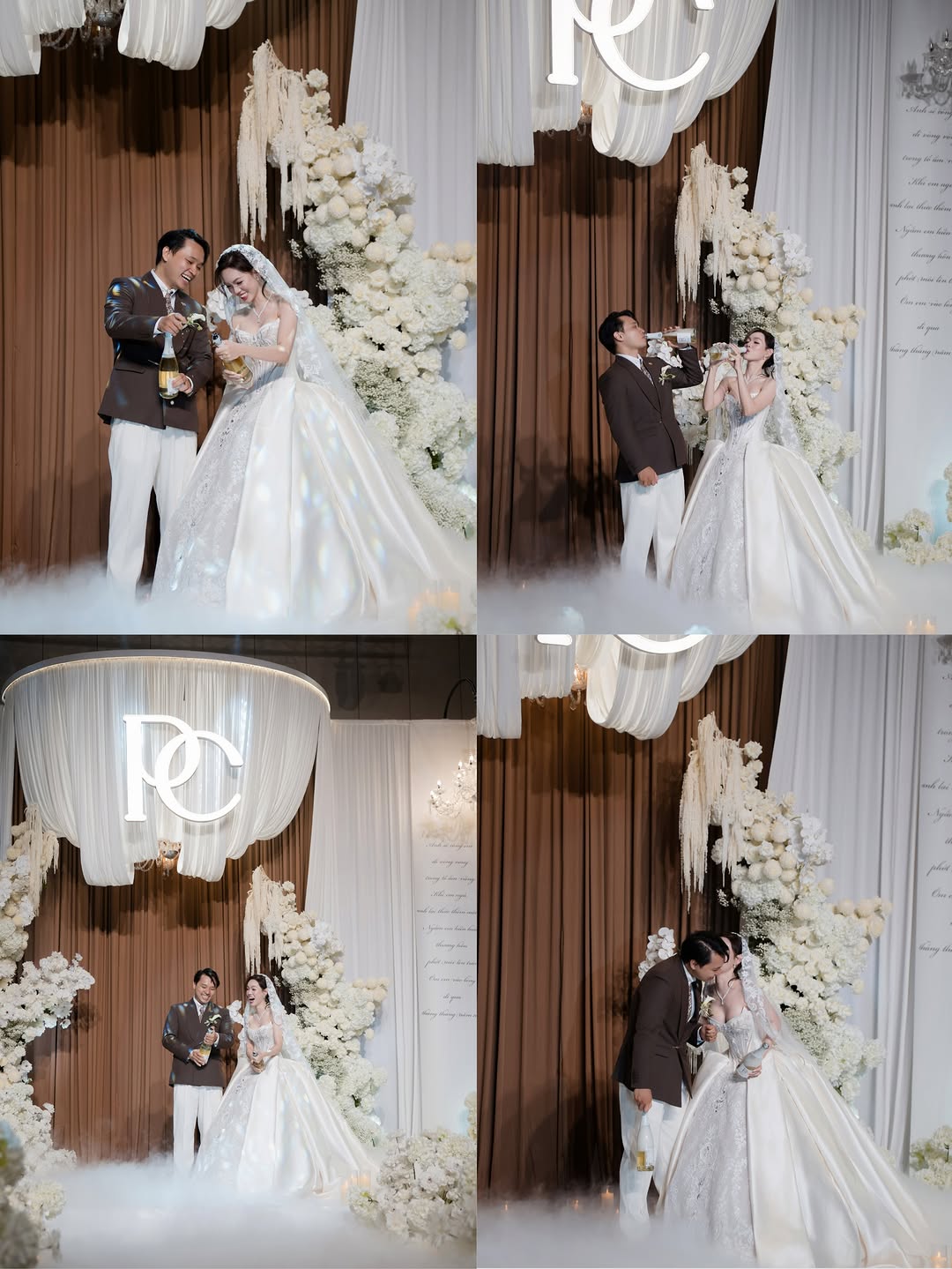
A memorable wedding does not need to resemble any other wedding. What matters is that every decision, from the venue and ceremonies to the way guests are welcomed, genuinely reflects the couple and is managed carefully enough to ensure that emotions are never interrupted.
Personalization from Your Love Story to the Venue, Ceremonies, and Guest Experience
The Pine begins with the couple's story and transforms it into a complete experience system: concept, moodboard, color palette, materials, flowers, lighting, music, stationery, ceremonies, and guest touchpoints. Personalization is meaningful when guests feel that this wedding truly reflects the couple, not simply when there are numerous decorative details.
For Vietnamese families, personalization must also respect the cultural context and the roles of both families. The planner must balance modern aesthetic preferences with important traditional ceremonies so that the wedding has a distinctive identity while remaining comfortable for multiple generations.
From Budget Management to On-Site Coordination: One Point of Contact Keeping Every Detail on Track
The value of a full-service planner lies in continuity. The person who understands the concept must also understand the budget; the person managing vendors must also understand the timeline; and the on-site coordination team must know which details cannot be changed. When everything operates within one system, on-site decisions can be made quickly while remaining faithful to the original vision.
That is also why full-service wedding planning is often suitable for couples who want to reduce the number of contacts they need to manage. Instead of handling dozens of separate communication groups, couples work through one coordinated structure and receive information organized according to priority.
Wedding Planner in Da Lat & Ho Chi Minh City: Supporting Couples So They Can Truly Relax and Enjoy Their Wedding Day
In Da Lat, The Pine specializes in outdoor celebrations, gardens, resorts, and pine forests, where knowledge of terrain, weather, and Plan B directly affects execution. In Ho Chi Minh City, requirements often focus on managing multiple vendors, tight schedules, urban logistics, and close coordination with venues. Regardless of location, the principles remain the same: budgets must be transparent, responsibilities must be clearly defined, and every detail must contribute to the overall experience.
If you are looking for wedding consultation, start with three basic details: your expected wedding date, guest count, and approximate budget. The Pine Wedding Planner can then recommend the most suitable approach, whether Full Planning A-Z, Day-of Coordination, or design and decoration, while developing a clear roadmap for each stage. The right plan does not make a wedding less emotional. On the contrary, it creates enough space for the bride, groom, and their families to be fully present and enjoy their special day.
