

A beautiful wedding is not created solely through fresh flowers, lighting, or a magnificent venue. More importantly, every detail must run on schedule, stay within budget, and reflect the unique story of the couple. Therefore, choosing reputable wedding planning services is not simply about finding a company that offers beautiful decorations, but about finding a team capable of managing the entire wedding journey: from ideas, budgets, vendors, and event schedules to unexpected situations on the big day. This article helps couples understand the criteria for choosing a wedding planner, the items that need budgeting, and how to organize a well-coordinated wedding in Da Lat or Ho Chi Minh City.
What Is a Reputable Wedding Planning Service? The Value of a Wedding Planner in Creating a Perfect Wedding
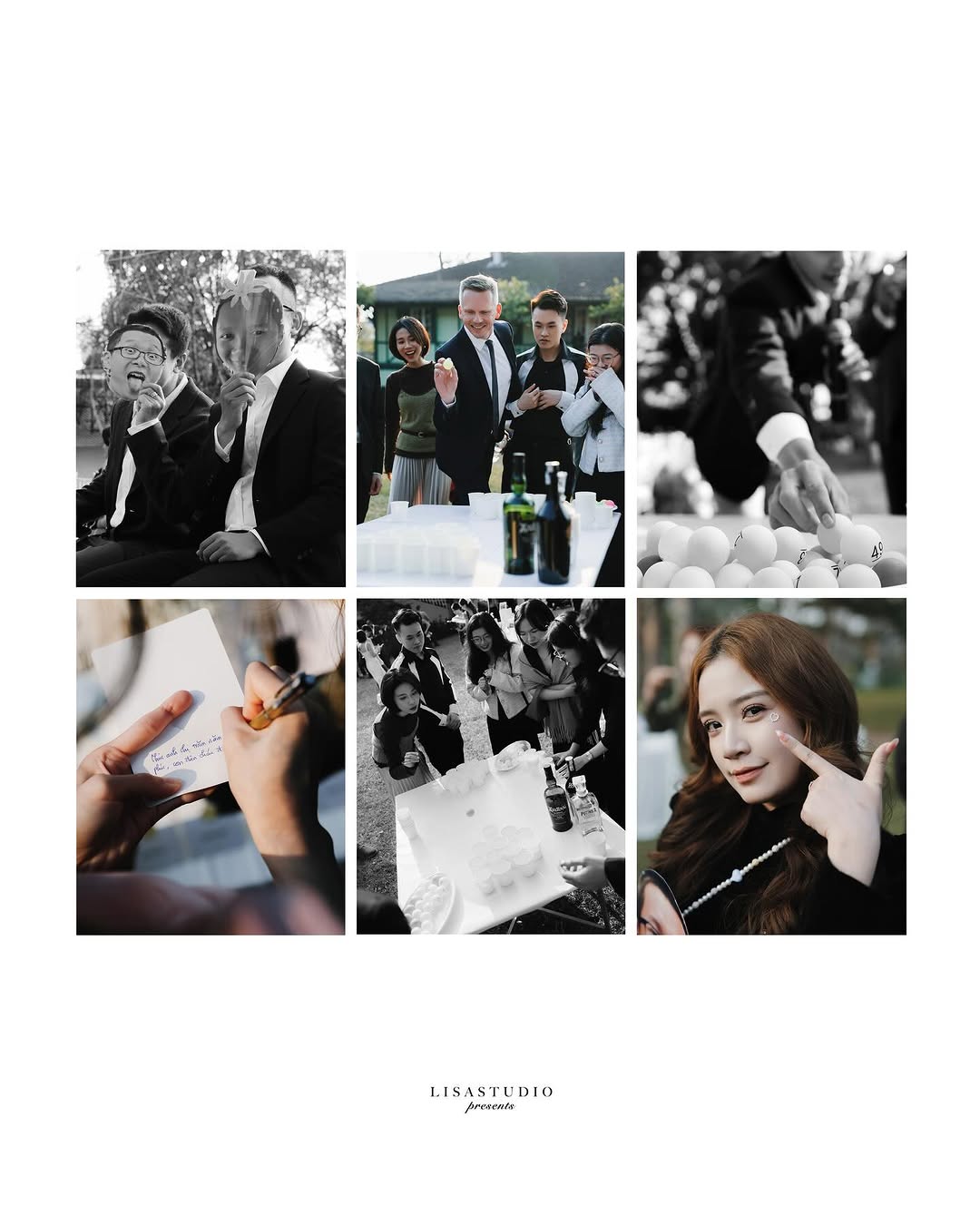
A Wedding Planner Is More Than Just a Wedding Organizer; They Manage Every Aspect of Your Big Day
When planning a wedding with reputable wedding planning services, many couples begin by looking for a venue, choosing wedding attire, or browsing decoration ideas. However, a professional wedding planner typically starts at a deeper level: understanding the couple's wishes, guest list size, available budget, priorities for each item, and the experience they want to create for their families and guests.
A wedding planning company must have the ability to do more than simply recommend suppliers. They must connect every task into one coordinated system, including the venue, design, catering, audio and lighting, photography, videography, outfits, makeup, ceremonies, transportation, accommodation, and schedules for all relevant parties.
The greatest value of a wedding planner lies in their ability to recognize the connections between details that couples often have to manage separately. A small change to the ceremony time can affect natural lighting, makeup schedules, setup time, meal service, and the photography team's schedule. With a central management team, these changes are handled in a coordinated manner rather than triggering a chain of unexpected complications.
The Role of a Wedding Consultant in Turning Your Love Story into a Unique Wedding Concept
A A good wedding consultant does not begin by asking which decoration style the couple likes. Instead, they explore who the couple are, how they met, what matters to them, their lifestyle, and what they want guests to feel when entering the wedding space.
Based on this information, the concept is developed into a moodboard covering colors, materials, flowers, lighting, typography, dining tables, ceremony areas, welcome areas, and experiential touchpoints. This is the difference between copying a beautiful wedding design found online and creating a design that truly belongs to the couple.
A good concept does not need too many details. What matters is that every detail has a purpose and contributes to telling one consistent story.
For example, for a couple who loves natural beauty and chooses to hold their wedding ceremony in the pine forests of Da Lat, the design might prioritize rustic materials, naturally flowing floral arrangements, warm lighting, and an open layout that makes the landscape part of the concept. In contrast, a ballroom wedding in Ho Chi Minh City may require more attention to lighting, ceilings, the stage, and spatial proportions.
The Practical Benefits of Choosing a Reputable Wedding Planning Service in Da Lat and Ho Chi Minh City
When choosing reputable wedding planning services, couples are investing in more than just a service package. The real value lies in saving time, maintaining budget control, reducing risks, and enjoying peace of mind as the wedding day approaches.
In Ho Chi Minh City, the challenges often involve managing numerous suppliers, navigating a wide range of options, and coordinating travel schedules between different locations. In Da Lat, planning becomes more complex due to weather conditions, terrain, equipment transportation, setup schedules, and the feasibility of outdoor arrangements. Therefore, local experience directly affects the practicality of the plan.
A team with hands-on experience working with Da Lat climate will do more than simply check the weather forecast before the wedding. They will also prepare solutions for damp ground, wind, sudden rain, low evening temperatures, power supplies, shelter, and transitions between outdoor arrangements and backup options.
Criteria for Evaluating a Professional Wedding Planning Company: Experience, Processes, and Practical Problem-Solving Skills
An impressive portfolio is an important criterion, but it is not enough to evaluate a wedding planner's capabilities. Couples should also consider the quality of completed projects, the team's consultation approach, budget transparency, and its management system leading up to the wedding day.
- Real Portfolio: check whether the projects feature diverse venues, scales, and concepts or simply repeat the same style.
- Clear process: must establish clear milestones covering consultation, concept development, budgeting, vendor confirmation, production, rehearsals, and wedding-day execution.
- Budget Plan: each expense should include an estimated budget, confirmed budget, and contingency allowance.
- Event Schedule: there should be a detailed timeline for the couple, family, vendors, and coordination team.
- Backup plan: is especially important for outdoor weddings.
- Consultation Skills: the planner must be able to explain clearly what should be done, what is unnecessary, and why.
A good sign is that the wedding planner does not try to sell every possible service. They know how to prioritize investments according to the couple's goals and are willing to recommend cutting items that do not add sufficient value to the overall experience.
Comprehensive A-to-Z Wedding Planner Packages and Detailed Service Inclusions
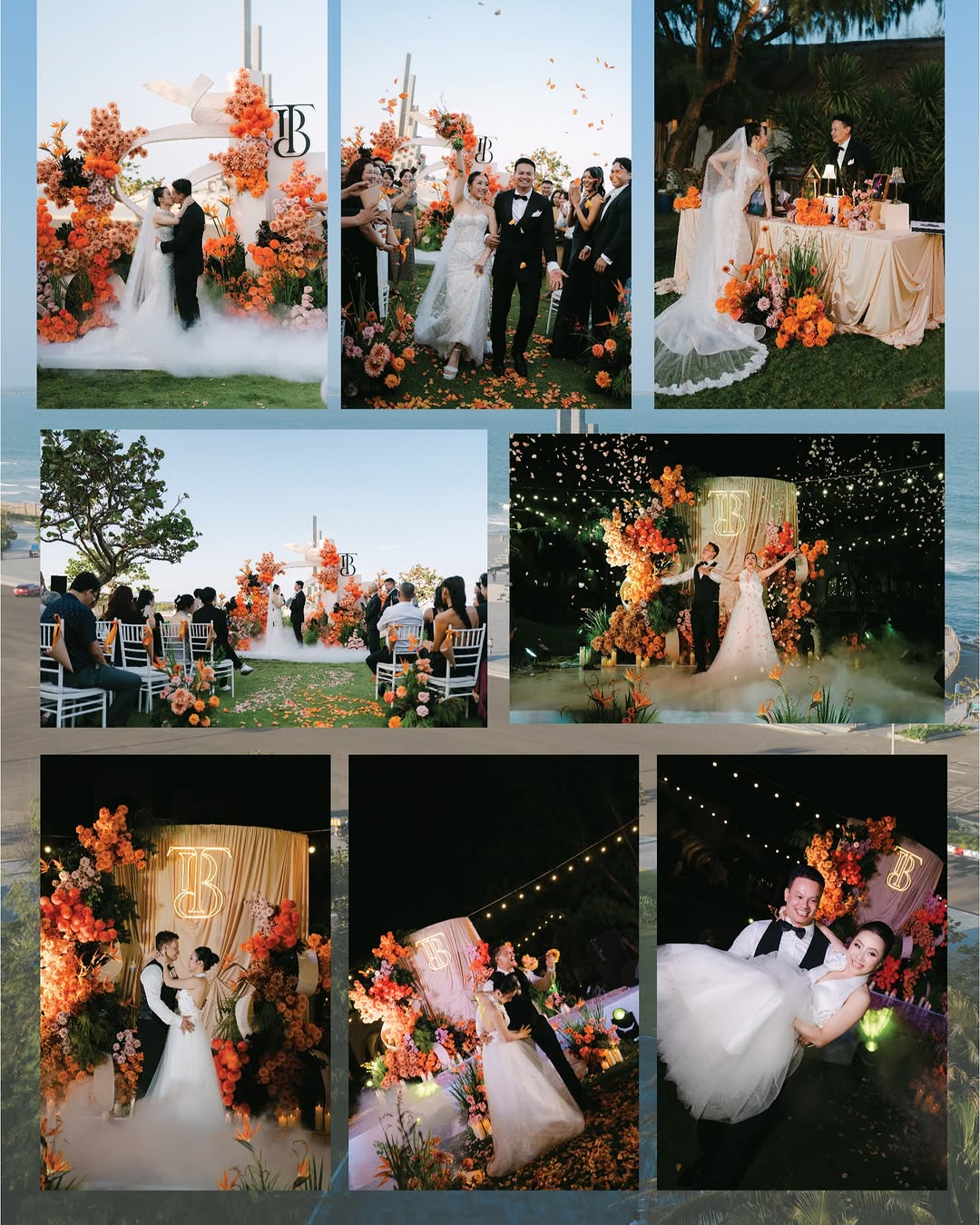
Full Planning A-Z: From Style Direction and Moodboards to Complete Wedding Day Management
Full Planning is suitable for couples who want a team to accompany them throughout the entire process, from the earliest planning stages until the reception ends. With full-service Wedding Planner service, the planner gets involved from the moment the overall wedding direction is established rather than appearing only during the final weeks.
Typical responsibilities include developing the brief, recommending venues, creating the budget, developing moodboards, selecting vendors, managing contracts, establishing schedules, designing the guest experience, supervising production, conducting rehearsals, and coordinating the wedding day.
The benefit of this model is that every decision is evaluated against the same three criteria: whether it aligns with the concept, whether it fits the budget, and whether it is feasible in practice. This is particularly important for destination weddings or outdoor receptions involving numerous custom production elements.
Artistic Wedding Decoration: Designing Wedding Spaces Around Each Couple's Unique Story
Wedding Decoration should not be understood simply as setting up a backdrop, flowers, and a gallery table. Professional wedding design must address the entire space through a consistent visual language, from the reception area to the ceremony, dining tables, stage, lighting, and the small details guests encounter throughout the event.
The Pine prioritizes a Fine Art approach, carefully considering spatial composition, floral proportions, materials, lighting, and negative space. Color palettes such as Warm Amber & Ivory or White & Sage Green can create an elegant, natural atmosphere, but they still need to be adapted to the venue's actual architecture.
For pine forest or garden weddings, good design generally avoids overshadowing the landscape and instead uses nature itself as the backdrop. This allows the budget to focus on important visual elements rather than being spread across too many decorative items.
Day-Of Coordination: The Ideal Solution for Couples Who Need an Expert to Coordinate Their Perfect Wedding Day
Not every couple needs Full Planning. If you have already selected your venue, photographer, makeup artist, outfits, and other vendors, Day-of Coordination is the solution that ensures your existing plans are executed accurately on the wedding day.
The planner receives information from all parties, reviews the timeline, develops a unified rundown, organizes briefings or rehearsals, establishes contact points, and assigns on-site coordination personnel.
On the wedding day, coordinators monitor setup progress, welcome vendors, work with the restaurant or resort, guide guests, assist with ceremonies, and handle unavoidable changes. The bride and groom do not have to spend time on their phones resolving late flower deliveries, checking microphones, or finding the person responsible for the gallery table just before the ceremony.
Decorating the Ancestral Ceremony and Buddhist Wedding Ceremony: Balancing Traditional Beauty with Modern Aesthetics
The traditional family ceremony is a space with strong family and ceremonial significance, so its design should be carefully restrained. Rather than simply following decoration trends, the planner needs to understand the ancestral altar arrangement, ceremonial areas, movement of both families, and characteristics of the home.
A modern spirit can be expressed through colors, materials, and flowers while still respecting Vietnamese wedding traditions. For Buddhist wedding ceremonies or religious marriage rituals, the schedule and design must also accommodate the rules of each ceremonial venue rather than mechanically applying the arrangements used for a reception.
Reputable Wedding Planning Service Price List: Expenses to Budget for to Avoid Unexpected Costs

Factors Affecting Wedding Costs: Venue, Concept, Guest Count, and Decoration Style
There is no single price that applies to every wedding. Even with 150 guests, a ballroom reception in Ho Chi Minh City and an outdoor reception at a resort in Da Lat can have very different cost structures.
The four biggest cost factors are usually guest count, venue, concept complexity, and production requirements. Additional expenses may include logistics, transportation, labor, accommodation, audio and lighting, power supplies, setup time, and special construction requirements imposed by the venue.
When receiving a quotation reputable wedding planning services, couples should request an itemized breakdown by category instead of looking only at the total amount. Two proposals with similar overall budgets may have completely different scopes of work, material quality, and actual proportions of fresh flowers.
How a Wedding Planner Creates a Transparent Budget Plan to Optimize 15–20% of Your Wedding Budget
Budget management does not mean choosing the cheapest option. The goal is to allocate money to the items that create the greatest impact while avoiding duplicated expenses and choices that exceed actual needs.
During the process wedding planning consultation, The Pine develops a Budget Plan based on expense categories and priority levels. Depending on each wedding's structure, reallocating the budget, selecting suitable vendors, and controlling changes can help optimize approximately 15-20% compared with a plan that lacks proper management from the beginning.
For example, instead of increasing the number of flowers throughout the entire venue, the budget can be concentrated on the ceremony backdrop, aisle, and head table. Rather than hiring too many separate audio and lighting services, the planner can inspect the venue's existing systems and add only what is genuinely necessary.
A good Budget Plan always has three layers: target costs, confirmed costs, and a contingency fund. This allows couples to understand exactly where they stand financially instead of discovering budget overruns when contracts are almost finalized.
A-to-Z Checklist of Essential Items to Include in Your Wedding Budget
To avoid overlooking expenses, the Budget Plan should be divided into clearly defined categories from the beginning.
- Venue: venue rental fees, catering costs, overtime charges, corkage fees, and other related service charges.
- Wedding Planning: consultation, planning management, and coordination fees.
- Decoration: design, fresh flowers, materials, tables and chairs, backdrops, ceremony areas, gallery displays, and labor.
- Sound and lighting: speakers, microphones, mixers, stage lighting, decorative lighting, and technicians.
- Photography: photographer, videographer, pre-wedding photography, or same-day edits, if applicable.
- Attire and beauty: wedding dresses, suits, makeup, hairstylists, and accessories.
- Ceremonies: traditional family ceremonies, Buddhist wedding ceremonies, religious marriage ceremonies, or other planned ceremonies.
- Entertainment: MC, band, DJ, performers, or special performances.
- Stationery: invitations, menus, name cards, seating charts, and printed materials.
- Logistics: transportation, accommodation, shuttle services, and staffing costs for destination weddings.
- Contingency: a budget allocation for changes or reasonable unexpected expenses.
Common Hidden Wedding Expenses and How a Professional Wedding Planning Company Controls Unexpected Costs
Unexpected expenses often do not come from one major item but from numerous small tasks that were not identified at the beginning: long-distance transportation fees, staff overtime, early setup surcharges, electricity fees, generator rentals, nighttime dismantling fees, vendor accommodation, changes in guest numbers, or last-minute requests for additional materials.
An experienced wedding planner will verify the scope of work before finalizing contracts and create a change-tracking sheet. When couples want to add an item, the planner should explain its impact on the budget, production schedule, and related tasks before confirming the change.
This is also one of the important benefits of full-service Wedding Planner service: instead of each vendor managing a separate part of the event, there is one central point of contact who understands the overall impact of every change.
The Practical Wedding Planning Consultation Process of Wedding Planners in Ho Chi Minh City and Da Lat

Step 1: Discovering the Love Story and Developing a Personalized Wedding Concept Direction
The first consultation should focus on the people before discussing decorations. The Pine learns about your story, lifestyle, shared interests, desired experiences, and family considerations that should be respected on the wedding day.
Next, the planner identifies the fundamental details, including the proposed date, guest count, location, budget, reception format, and priorities. This provides the basis for determining whether an idea is feasible before moving into detailed design.
The final concept must be both aesthetically pleasing and practical to execute. An attractive idea that requires more construction work than the venue's permitted setup time allows is not a good solution.
Step 2: Creating the Budget Plan, Selecting Vendors, and Designing a Cohesive Wedding Experience
Once the concept and investment level are clear, the planner begins allocating the Budget Plan and recommending vendors for each service category. Selection is based not only on price but also on style, quality, experience with similar events, and the ability to coordinate with the entire team.
A Ho Chi Minh City wedding planner with a strong vendor network can significantly reduce the time couples spend researching options. However, the planner's role remains to provide advice and compare alternatives, not to force clients to choose a particular supplier.
At this stage, the guest experience is also designed as a cohesive journey: from receiving the invitation and arriving at the venue to check-in, attending the ceremony, enjoying the reception, and leaving the event. A well-organized wedding must function smoothly even in details guests may rarely notice but that directly affect their experience, such as directional signs, seating arrangements, waiting times, and traffic flow.
Step 3: Developing a Detailed Rundown, Conducting Rehearsals, and Coordinating the Entire Wedding Day
As the wedding day approaches, ideas must be transformed into an operational rundown. Each milestone needs a start time, end time, person in charge, required equipment, and contingency plan in case of delays.
The rundown is not just for the MC. Photographers need to know which moments are important, the technical team needs music and lighting cues, the venue needs to know when dishes should be served, and family members need to know when to arrive and perform their ceremonies.
For events involving multiple ceremonies, rehearsals significantly reduce confusion on the actual day. Details such as standing positions, movement sequences, ring exchanges, and music cues should be practiced in advance rather than explained while guests are waiting.
Step 4: Monitoring the Venue and Handling Unexpected Situations Flexibly to Preserve the Joy of the Wedding Day
Unexpected situations can always arise on a wedding day, even when the plan has been carefully prepared. Late-arriving guests, changing weather, delayed equipment deliveries, or ceremonies that run longer than expected can all affect the timeline.
The coordination team's responsibility is to handle these changes behind the scenes without forcing the bride and groom to step away from their emotions and deal with operational tasks. This is the major difference between having a checklist and having a team that genuinely takes responsibility for carrying it out.
Tips for Choosing a Reputable Wedding Planning Company for Outdoor Weddings in Da Lat
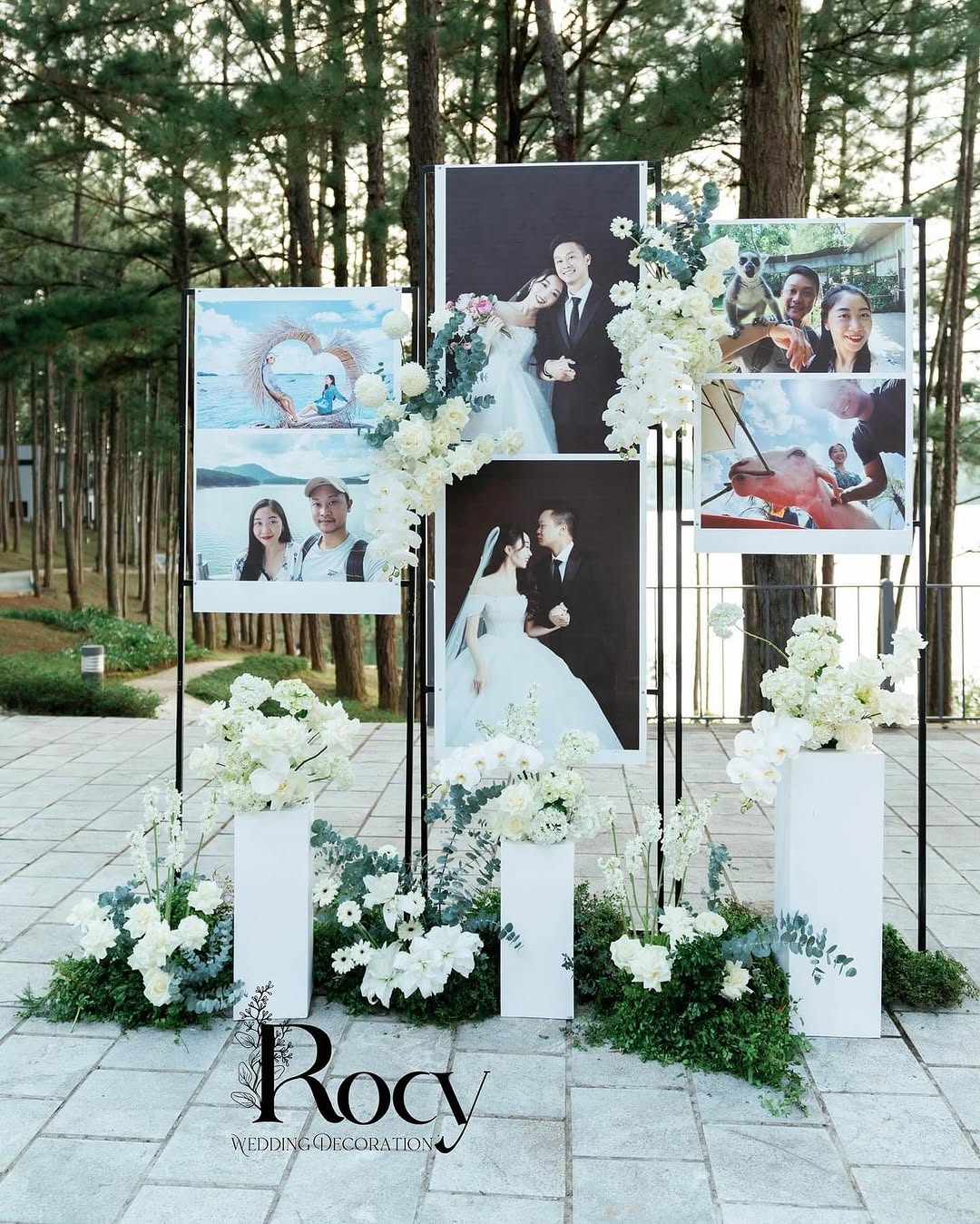
Why Experience with Terrain and Climate Determines the Success of Pine Forest, Garden, and Resort Weddings
Da Lat offers exceptionally beautiful wedding scenery but also presents higher technical requirements than a standard ballroom. Sloping terrain, uneven ground, humidity, wind, and the possibility of rain directly affect both the design and production arrangements.
For pine forest venues, planners need to inspect equipment transportation routes, power supplies, structural installation locations, sun direction, wind direction, material staging areas, and arrangements to ensure elderly guests can move around comfortably.
Even flower selection must take actual conditions into account. Some flowers look beautiful in a studio but are difficult to keep in good condition when transported over long distances or displayed outdoors for many hours. Therefore, hands-on implementation experience is often more important than simply looking at concept images.
Plan B Scenarios for Outdoor Weddings: Solutions for Rain, Wind, and Changing Weather Conditions
Plan B should not be prepared as an inferior alternative reserved for emergencies. A good backup plan must ensure that even if the event moves to a covered space, the experience and concept remain as consistent as possible.
The planner needs to establish decision thresholds in advance: when the alternative arrangement will be activated, who has the authority to confirm the decision, and how long the team will need to complete the transition. If discussions only begin after it starts raining, the chances of an effective response decrease significantly.
- Inspect covered venue options or backup indoor spaces.
- Prepare solutions for securing structures in windy conditions.
- Protect electrical systems, audio equipment, and technical devices.
- Plan suitable flooring or walkways if the grass becomes wet.
- Provide umbrellas, towels, or other assistance for guests if needed.
- Determine the transition time between Plan A and Plan B.
This is why practical experience in Da Lat should be considered an important criterion when evaluating reputable wedding planning services for outdoor weddings.
How to Identify a Capable Wedding Planner Through Their Portfolio, Working Process, and Consultation Skills
When reviewing a portfolio, do not simply ask whether the wedding looks beautiful. Examine how the planner handled the space, whether the projects are genuinely different, and whether the concept complements the venue's architecture or merely changes the flower colors.
During a consultation, an experienced planner usually asks many questions before proposing solutions. They can identify aspects of the original wishes that may be impractical and explain why from the perspectives of budget, operations, or guest experience.
Couples should also ask how the planner would handle a real-life situation: What would the team do if it rained 45 minutes before the ceremony? How would the design be adjusted if the venue restricted construction time? Or if the budget were reduced by 15%, which items should be retained? The answers will reveal much more than an attractive portfolio.
Artistic Wedding Decoration Styles: Every Space Tells a Unique Love Story
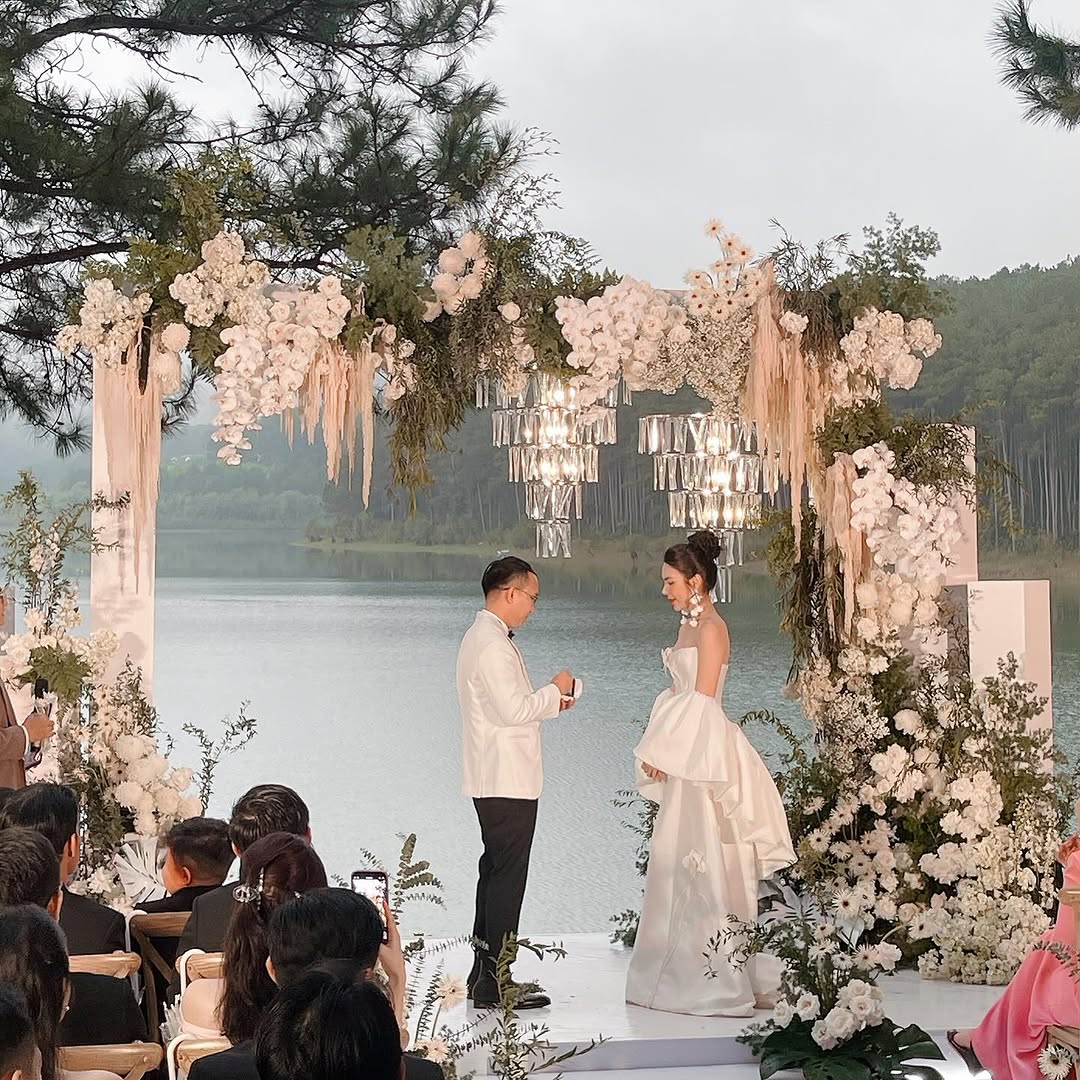
Fine Art Weddings Featuring Warm Amber & Ivory, White & Sage Green Color Palettes, and Premium Fresh Flowers
Fine Art Weddings aim to create an atmosphere that is sophisticated, rich in depth, and less dependent on extravagant decorative details. Warm Amber & Ivory palettes create a warm, romantic feeling and are particularly suitable for spaces with plenty of wood or afternoon sunlight. White & Sage Green creates a fresh, elegant atmosphere that blends easily with natural surroundings.
However, the color palette is only the starting point. To achieve a cohesive result, the planner must control flower shades, table linen materials, chairs, candles, printed paper, lighting, and the venue's existing colors. If each supplier independently selects their own materials, even a beautiful moodboard concept can look disjointed when executed.
Designing a Harmonious Wedding Space Through Venue Architecture, Lighting, Flowers, and Guest Emotions
Good wedding design always begins with understanding the space. If the venue already has beautiful scenery, the planner does not need to build excessive structures that compete with the architecture. If a ballroom has a low ceiling, the proportions of the backdrop and floral arrangements must be adjusted to avoid creating a heavy appearance.
Lighting is just as important as flowers. For evening receptions, candlelight, string lights, spotlights, and stage lighting must be coordinated to create the right atmosphere while ensuring that the couple's skin tones and appearance look beautiful in photos and videos.
The placement of the ceremony area, dining tables, and stage is also related to visibility, walking distances, and guests' viewing angles. The art of wedding decoration is not simply about making every corner look beautiful in photographs, but about designing a seamless spatial experience.
From Warm Traditional Family Ceremonies to Romantic Outdoor Weddings: Personalizing Every Decorative Detail
Personalization does not necessarily mean printing the couple's names on every item. More meaningful details might include flowers associated with a shared memory, a color palette inspired by the place where they met, or a small ceremony that reflects family traditions.
At traditional family ceremonies, personalization must go hand in hand with formality and respect. Outdoor weddings allow greater opportunities to explore experiential elements such as vow ceremonies, welcome drinks, live music, or a dedicated area that tells the couple's story.
The planner's role is to select meaningful details for the design rather than trying to incorporate every part of the couple's story into one space and making the overall experience feel overwhelming.
The Pine Wedding Planner – Tailor-Made Reputable Wedding Planning Services for Your Journey to Happiness
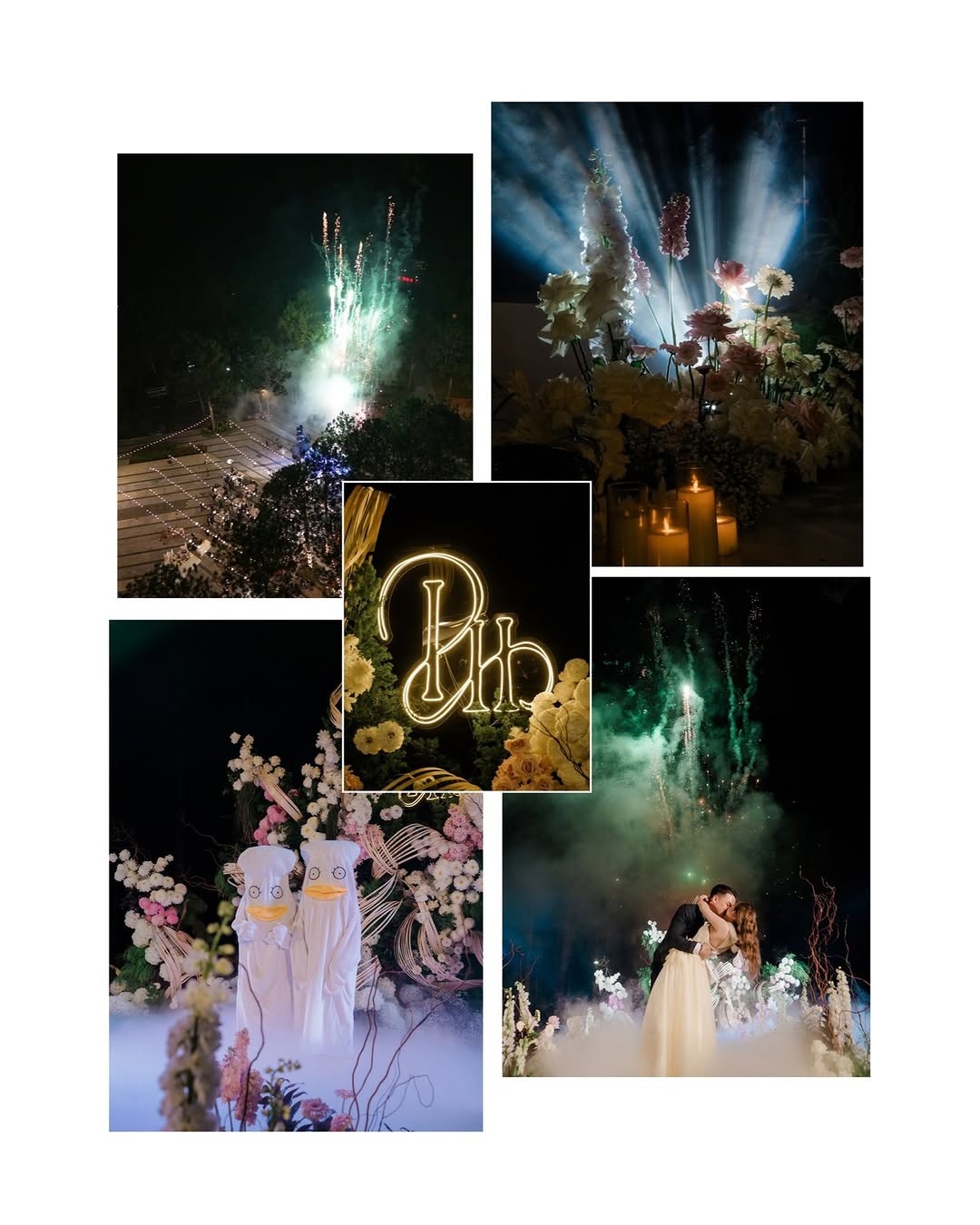
Telling Love Stories Through the Art of Decoration and Thoughtfully Organized, Emotionally Meaningful Weddings
At The Pine Wedding Planner, every wedding begins with listening. We believe that the beauty of a wedding day is not determined by how many flowers or decorative elements it contains, but by whether every detail contributes to telling the couple's story.
From the concept and moodboard to the Budget Plan and the way guests enter the venue, every decision is considered from three perspectives: aesthetics, budget, and operational feasibility.
Supporting You from the Initial Idea to the Wedding Day So the Couple and Their Families Can Fully Enjoy Every Memorable Moment
The Pine supports couples in Da Lat and Ho Chi Minh City through Full Planning, Wedding Decoration, Day-of Coordination, traditional family ceremony decoration, and wedding ceremonies tailored to each family's needs.
The goal of the planning process is to ensure that when the wedding day arrives, the bride and groom no longer have to act as project managers. The timeline, vendors, technical arrangements, setup, and on-site changes are handled by a dedicated professional team, allowing the couple to spend their time with family and enjoy moments that happen only once.
Choose Professional Wedding Planner Services to Turn Your Wedding Dreams into a One-of-a-Kind Work of Art
Choosing reputable wedding planning services should begin with finding the right fit rather than focusing solely on price. Look for a team that understands what you genuinely need, has a clear management process, maintains budget transparency, and possesses sufficient experience to protect your plans against real-world changes.
If you are preparing for a wedding in Da Lat or Ho Chi Minh City, The Pine Wedding Planner can accompany you from the initial planning direction and concept development to budget management, vendor selection, and wedding-day coordination. An early consultation will help you identify where to invest, which details can be optimized, and which risks should be prepared for in advance.
Your wedding day does not need to resemble anyone else's wedding. What matters most is looking back and realizing that every detail belonged to your own story and that the entire journey was carefully prepared so your emotions could remain completely genuine.
