

A memorable wedding does not necessarily need hundreds of guests, a grand stage, or an abundance of decorative details. For many modern couples, a minimalist wedding is a way to bring the big day back to its core values: the people who truly matter, an emotionally meaningful space, and details that each tell a personal story. However, minimalism does not mean simplifying the planning process. To ensure an intimate wedding with fewer than 100 guests remains elegant, runs smoothly, and stays within budget, couples need to address several aspects simultaneously, including the concept, venue, guest experience, vendors, ceremonies, timeline, and contingency plans. The following article helps you view the entire process from the perspective of a professional Wedding Planner.
What Is a Minimalist Wedding? The Value of an Intimate Wedding with Under 100 Guests
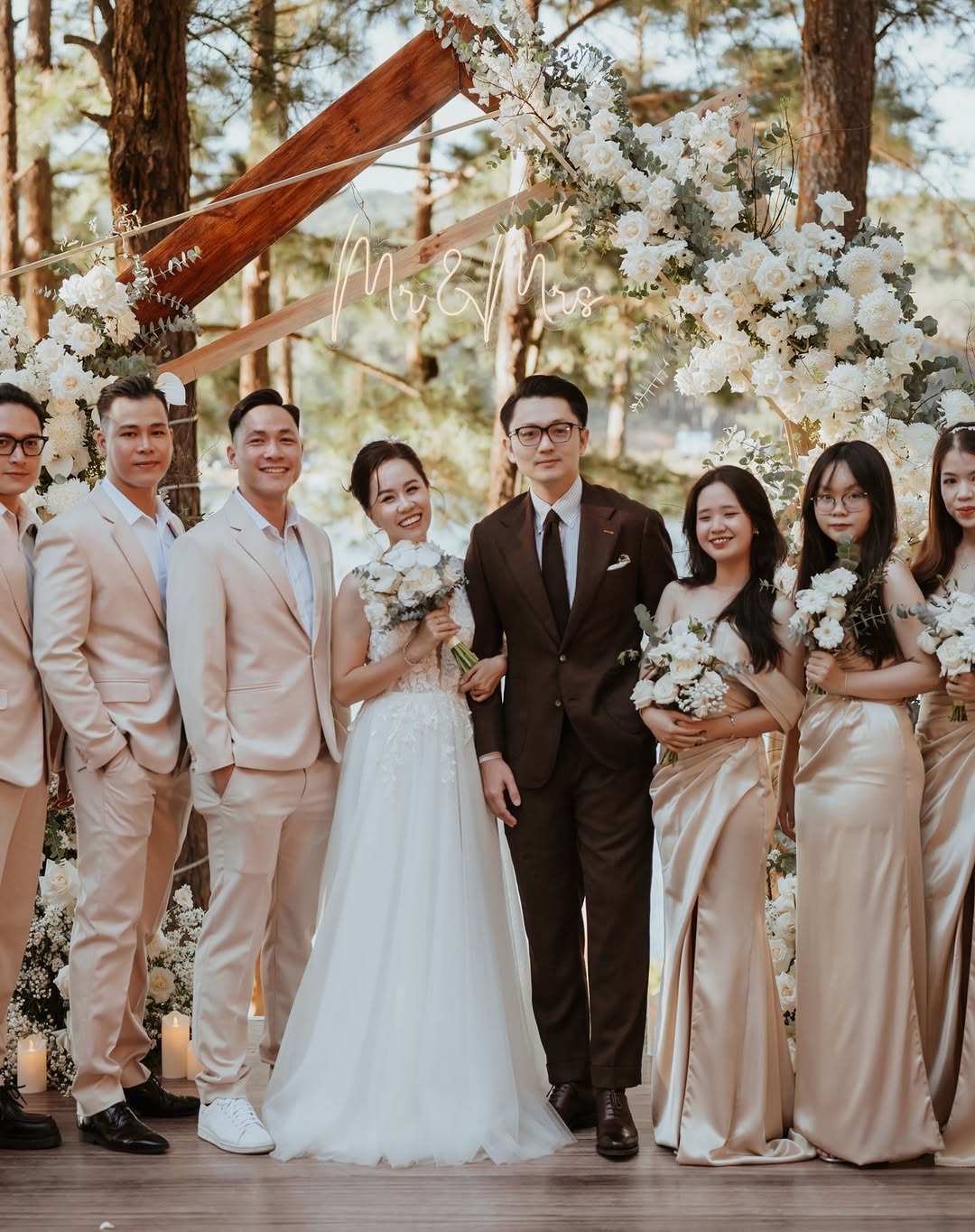
Minimalist wedding style does not mean removing everything to organize the smallest possible celebration. The essence of this style is intentional selection: keeping meaningful elements, removing details that do not enhance the experience, and focusing the budget on the aspects that create the strongest emotional impact for the bride, groom, and guests.
In wedding planning practice, an intimate wedding generally refers to a relatively small celebration, typically with fewer than 100 guests. When the guest count is controlled, couples have more opportunities to carefully curate the space, menu, music, thank-you messages, seating arrangements, and moments of direct interaction.
A Personalized Wedding Is Not About the Number of Guests, but the Emotional Experience
A a personalized wedding is not defined by whether there are 40, 70, or 100 guests. What matters more is whether guests can feel the story of the two people at the center of the celebration. A small gallery table featuring photos from shared trips, table names inspired by meaningful destinations, a song connected to their first meeting, or individually written thank-you notes can leave a stronger impression than numerous expensive decorative details that lack a personal connection.
At The Pine, the concept development process usually begins with understanding the couple's story, personalities, lifestyle, memories, and even the things they do not want to include in their wedding. This provides the foundation for designing a cohesive experience rather than combining attractive trends that have no connection to one another.
Why Are Intimate Wedding Venues Becoming the Choice of Modern Couples?
A an intimate wedding space allows the bride and groom to be truly present on their wedding day. Instead of spending most of their time greeting tables, taking photos one group at a time, and constantly rushing between ceremonies, the couple can talk with guests, enjoy their meals, listen to family members' heartfelt words, and appreciate the program that has been prepared.
From a design perspective, a smaller scale also helps create a more connected atmosphere. Tables can be arranged closer together, lighting can be carefully controlled, and ceremony and reception areas can flow together naturally. However, a small wedding still requires careful consideration of spatial proportions. An area that is too large for 60 guests can feel empty, while a venue that is too small can compromise comfort and make service more difficult.
7 Defining Features of an Elegant Minimalist Wedding with a Distinctive Personal Touch
A a minimalist wedding A well-executed wedding typically has seven easily recognizable characteristics:
- Carefully curated guest list: Prioritize people who have genuine relationships with the bride, groom, and their families.
- Consistent concept: Colors, flowers, lighting, stationery, music, and the venue all come together to tell one story.
- Fewer details, but with clear intention: Instead of filling the entire venue with decor, the design focuses on key visual focal points.
- Guest experience comes first: Guest circulation, seating, temperature, sound, menu, and program duration are all carefully considered.
- Restrained color palette: Usually featuring 2-3 primary colors complemented by several supporting shades.
- Materials with depth and texture: Natural wood, linen, glass, candles, fine art paper, and fresh flowers are used to create texture instead of relying on excessive decorative details.
- A schedule with breathing room: The program is not packed with activities but allows time for conversations and naturally unfolding emotional moments.
How to Create a Minimalist Wedding Concept That Tells the Couple's Unique Story
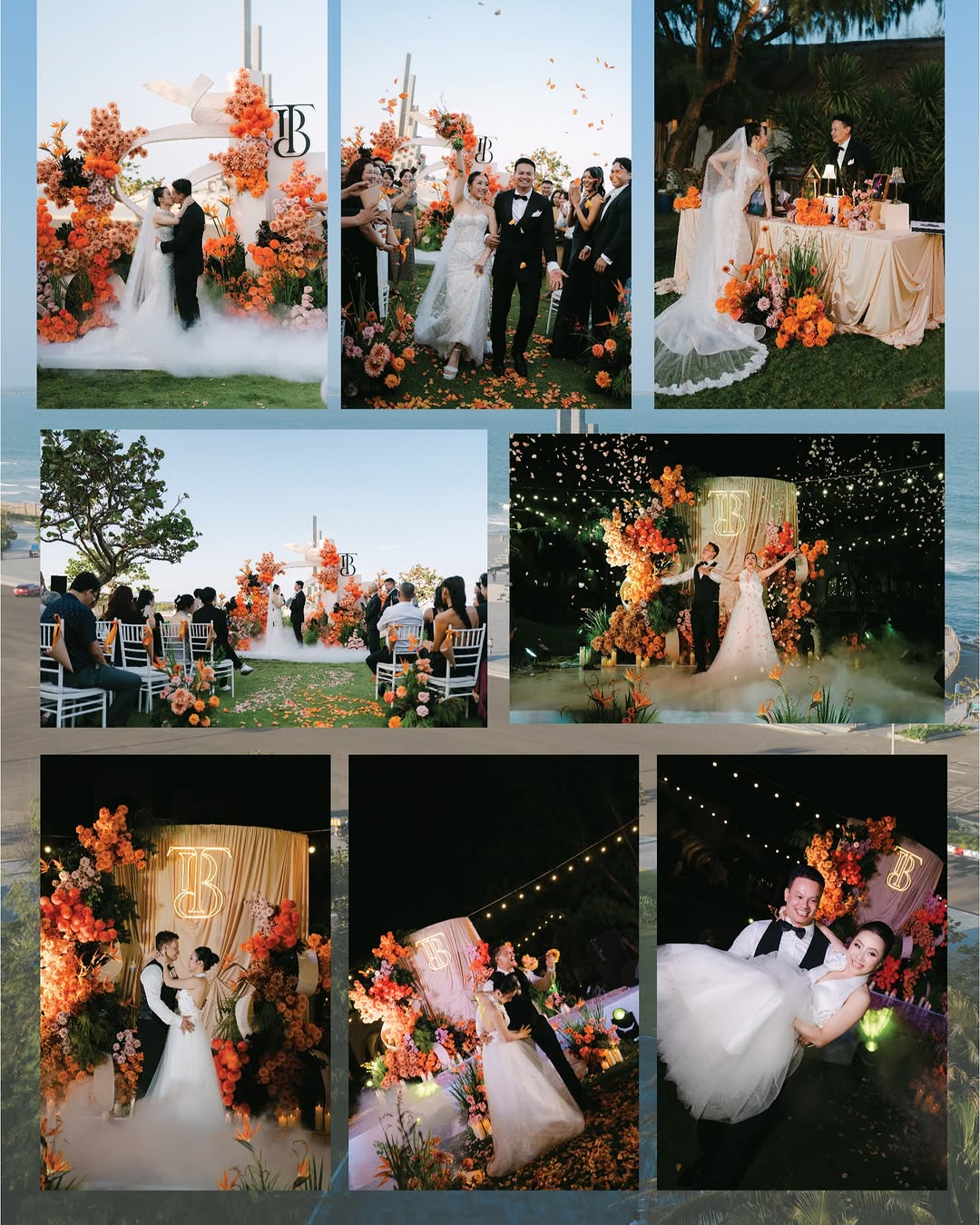
The concept is the foundation that helps a wedding a minimalist wedding avoid looking beautiful yet resembling dozens of other weddings. A good concept should answer three questions: What story is being told, what is the dominant emotion, and through which touchpoints will guests experience that story?.
From Love Story to Moodboard: The First Step in Creating a One-of-a-Kind Wedding Concept
A moodboard should not begin by saving countless Pinterest images and then asking the team to recreate every detail exactly. The Pine typically builds a moodboard around a set of keywords that first describe the couple, such as gentle, intimate, mature, natural, or Fine Art. Only then are the color palette, flowers, typography, materials, lighting, and spatial arrangements developed.
At this stage, Full-Service Wedding Planner plays a role in connecting the desired emotional experience with practical operational conditions. A concept that looks beautiful in reference images may not necessarily suit the venue, climate, setup schedule, or the couple's budget. Therefore, the moodboard needs to be evaluated for both aesthetics and practical feasibility.
Color Palettes, Materials, and Fresh Flowers in Fine Art Minimalist Wedding Design
Minimalist Fine Art style is often most effective when the color palette is limited and features soft tonal transitions. In keeping with The Pine's signature aesthetic, Warm Amber & Ivory Cream or White & Sage Green can create an elegant yet welcoming atmosphere. Forest Green, natural pine wood tones, and warm golden lighting serve as the foundation, adding greater depth to the floral arrangements and dining tables.
Fresh flowers do not need to be used in large quantities. Good design focuses on proportions, negative space, and sightlines. The ceremony arch can feature an asymmetrical structure, dining tables can use low floral arrangements to make conversation easier, while the sweetheart table or backdrop can receive more investment to become a visual focal point.
Decorating an Intimate Wedding Space: Floral Arches, Aisles, Reception Tables, and Guest Welcome Areas
With an intimate wedding space, each area should have a clearly defined function. The floral arch establishes the ceremony's focal point; the aisle needs sufficient space for the bride to walk naturally; dining tables must allow adequate service clearance; and the welcome area helps guests understand where to go and what to do upon arrival.
A common mistake is allocating too much of the budget to the backdrop while overlooking the overall experience. Guests spend most of their time at dining tables, along circulation routes, and in social areas rather than standing in front of the backdrop throughout the celebration. Therefore, The Pine typically distributes design elements according to the guest journey instead of focusing solely on photo opportunities.
Balancing Modern Minimalism with Traditional Rituals in the Family and Wedding Ceremonies
Minimalism does not mean diminishing cultural identity. On the contrary, a restrained design can help ancestor ceremony create a more formal atmosphere when the ancestral altar, flowers, ceremonial offerings, and reception area are arranged with a clear visual hierarchy. Instead of introducing too many colors into one area, couples can choose a neutral base tone and use red, yellow, or wood tones as intentional accents.
For the Hang Thuan Buddhist wedding ceremony or Catholic marriage ceremony, the Wedding Planner needs to understand the order of rituals, their duration, and the spatial requirements before designing the decor. This ensures that modern decorative elements do not interfere with the ceremonies while preserving the necessary solemnity.
The Cost of Hosting a Small Wedding with Under 100 Guests: Smart Budgeting to Avoid Unexpected Expenses
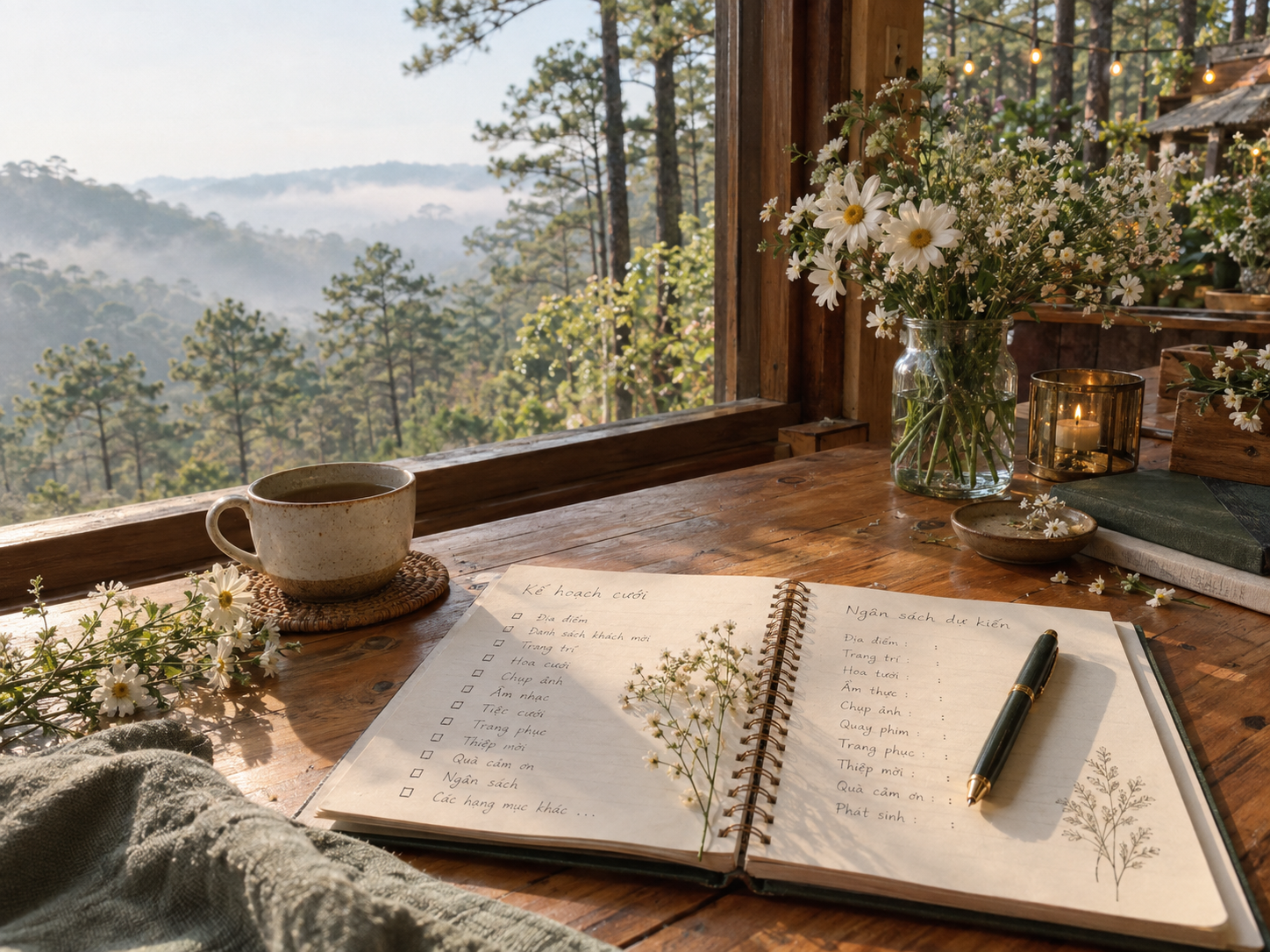
A common misconception is that small wedding it will definitely cost less. In reality, reducing the guest count mainly affects per-person expenses such as meals, beverages, and gifts. Many other expenses, including design, sound, lighting, staffing, photography, and transportation, remain almost independent of the number of guests.
Key Cost Categories for an Intimate Wedding: Venue, Decoration, Catering, and Staffing
When preparing the initial budget, couples should divide the total amount into categories rather than booking individual services separately. A reference allocation could include approximately 35-45% for the venue and catering; 20-30% for design, flowers, and decoration; 8-12% for photography and videography; 8-12% for planning, coordination, and operational staff; with the remaining amount allocated to attire, makeup, music, stationery, transportation, gifts, and contingency funds.
These are planning proportions only, not fixed quotations. For a wedding that prioritizes the dining experience, the F&B budget may be higher. If the couple considers spatial design the main priority, the allocation for decoration may increase. The important thing is to establish priorities from the beginning to avoid spending the entire budget on items booked early.
How a Wedding Planner's Budget Plan Can Help Optimize 15–20% of Your Wedding Budget
The purpose of a Budget Plan is not to push every vendor down to the lowest possible price. A more sustainable approach is to determine the appropriate scale, eliminate duplicated expenses, select vendors within the right price range, and allocate funds to the elements that genuinely influence the experience.
During the process Full-Service Wedding Planner, The Pine aims to optimize approximately 15-20% of the budget compared with making fragmented decisions and repeated changes, depending on the scale, venue, event date, and actual requirements of each wedding. Savings may come from selecting the right sound system configuration, appropriately reusing floral arrangements between the ceremony and reception, optimizing staffing levels, choosing decor dimensions that suit the venue, or negotiating services based on an overall plan.
A good Budget Plan should include at least four tracking columns: estimated budget, quotations received, confirmed costs, and actual amounts paid. It should also clearly specify deposit schedules, final payment deadlines, cancellation and modification policies, and potential additional expenses.
Common Unexpected Expenses When Planning a Wedding Yourself and How to Keep Them Under Control
Additional expenses usually do not come from one extremely large cost but from numerous small changes: extending venue hours, increasing the guest count at the last minute, transportation fees outside regular hours, photographer overtime, additional electricity or rain shelters, last-minute floral changes, extra service staff, early setup fees, or late teardown charges.
Couples should reserve a contingency fund of approximately 5-10% of the total budget and establish the principle that every change made after confirmation must be recorded with a specific cost. If one category increases, they should identify which other allocation will be reduced accordingly rather than continually adding expenses to the overall budget.
A well-controlled wedding budget is not one that never changes, but one in which every change is visible before it becomes an invoice.
Choosing a wedding venue in Da Lat and Ho Chi Minh City that matches your concept
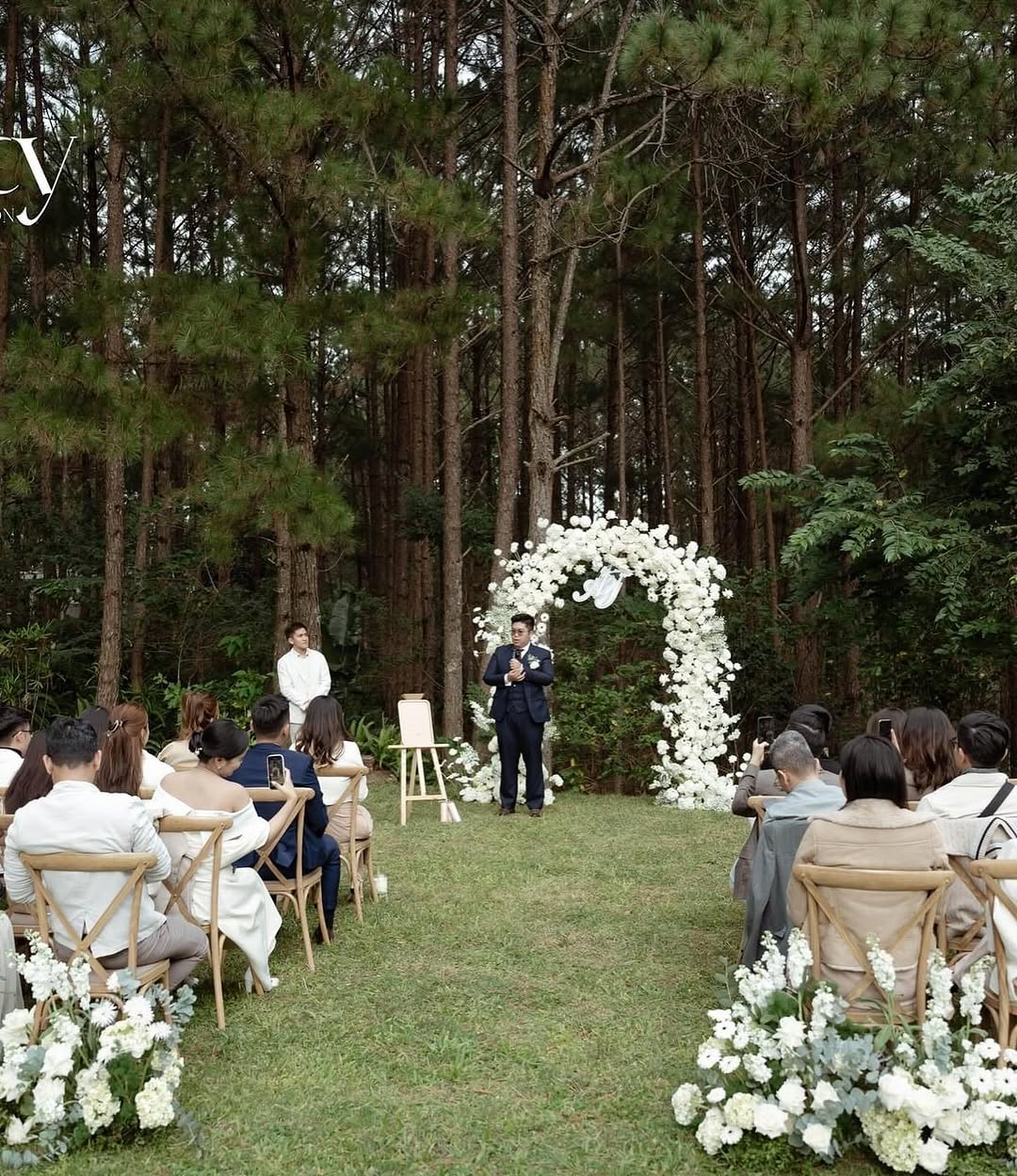
The venue has a significant influence on the aesthetics, costs, and operational complexity of a minimalist wedding. A venue that already has suitable architecture, scenery, and lighting can reduce the need for decor. Conversely, a location that looks beautiful in photographs but lacks infrastructure can lead to numerous expenses that couples may not notice during their initial inspection.
Criteria for choosing a wedding venue for under 100 guests: Privacy, emotion, and operational convenience
When inspecting venues for weddings with fewer than 100 guests, do not ask only about maximum capacity. Check whether the venue can comfortably accommodate the actual layout, ceremony location, reception area, guest welcome area, vendor logistics, restrooms, parking, access routes for elderly guests, and arrangements for changing weather conditions.
A an intimate wedding space An ideal venue should create a sense of privacy without being so isolated that transportation becomes difficult. Particularly for destination weddings, the guest experience begins with the journey, check-in, and finding the venue, not merely when the ceremony starts.
Pine forest weddings in Da Lat: Embracing natural beauty through minimalist styling
Pine forests naturally offer visual depth, organic textures, and a green-and-brown color palette that works beautifully with minimalist design. Instead of building a large backdrop that blocks the scenery, couples can use a lightweight ceremony structure, naturally shaped floral arrangements, and warm lighting to create a beautiful transition from afternoon to evening.
However, organizing an outdoor wedding requires consideration of Da Lat climate, humidity, wind, ground conditions, electricity supply, equipment transportation routes, and rain protection arrangements. The Pine typically evaluates venues from both design and operational perspectives to avoid situations where a concept looks beautiful on a moodboard but is difficult to install or unsafe in practice.
Garden weddings, resorts, and private venues in Ho Chi Minh City: What to check before booking
In Ho Chi Minh City, gardens, villas, suburban resorts, and private venues may be suitable for an intimate post-wedding celebration and intimate weddings. Before paying a deposit, couples should check sound restrictions, decor installation regulations, electricity supply, policies on bringing in external vendors, corkage fees if applicable, rain contingency arrangements, and permitted setup hours.
Couples should also request written confirmation from the venue of all agreed benefits and arrangements. Details that may seem minor, such as when the team can enter for setup or the deadline for ending music, can directly affect the rundown and staffing costs.
The process of planning a minimalist wedding with a professional Wedding Planner
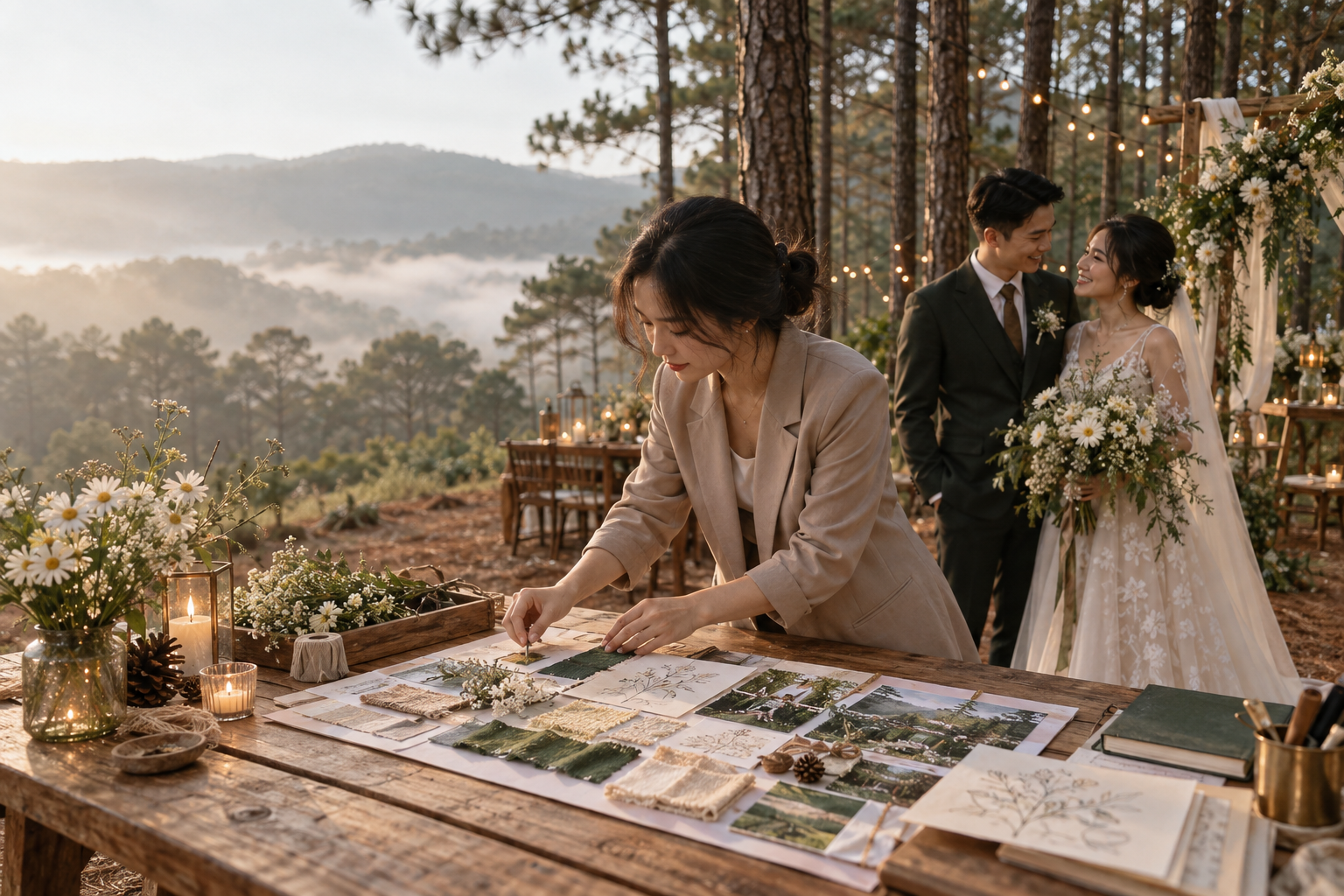
The more natural and effortless a wedding appears, the more structured its preparation behind the scenes often needs to be. For a minimalist wedding, the goal is not to create numerous elements but to ensure that every selected element operates accurately and works seamlessly with the others.
Stage 1: Concept consultation, overall planning, and budget allocation
The initial stage usually begins by determining the expected guest count, budget, preferred venue, style, date, and the couple's most important priorities. The Wedding Planner then develops a master plan, Budget Plan, and schedule of tasks that need to be completed.
This is also the time to identify three categories: essential elements, desired elements if the budget allows, and elements that can be omitted. This classification makes decision-making faster when the budget or venue conditions change.
Stage 2: Vendor selection, venue design, and finalizing the wedding day schedule
The right vendor is not simply one with an attractive portfolio. The photographer needs to understand the lighting and rhythm of an intimate wedding; the sound provider must suit the venue's dimensions; the florist must be able to execute the moodboard's intended aesthetic; and the MC should know how to host the program with restraint rather than turning an intimate celebration into a stage show.
After the vendors are selected, the Wedding Planner consolidates all information into a timeline and rundown. Each party needs to know the arrival time, setup location, contact person, completion deadline, program sequence, and procedures for handling changes.
Stage 3: Final rehearsal, on-site coordination, and preserving the emotional flow of your special day
Before the wedding day, the team reviews the guest list, seating chart, ceremonies, music, lighting cues, speeches, personal belongings, and vendor checklist. For programs involving multiple ceremonies or complex venues, an on-site rehearsal can significantly reduce discrepancies on the actual day.
On the wedding day, the bride and groom should not be the ones calling to ask whether the flowers have arrived, checking on the MC, reminding the restaurant to serve the next course, or handling guests' seating changes. These responsibilities should be transferred to the coordination team so the couple can genuinely participate in their own wedding.
Tips for planning a minimalist outdoor wedding: Managing risks to ensure a perfect celebration
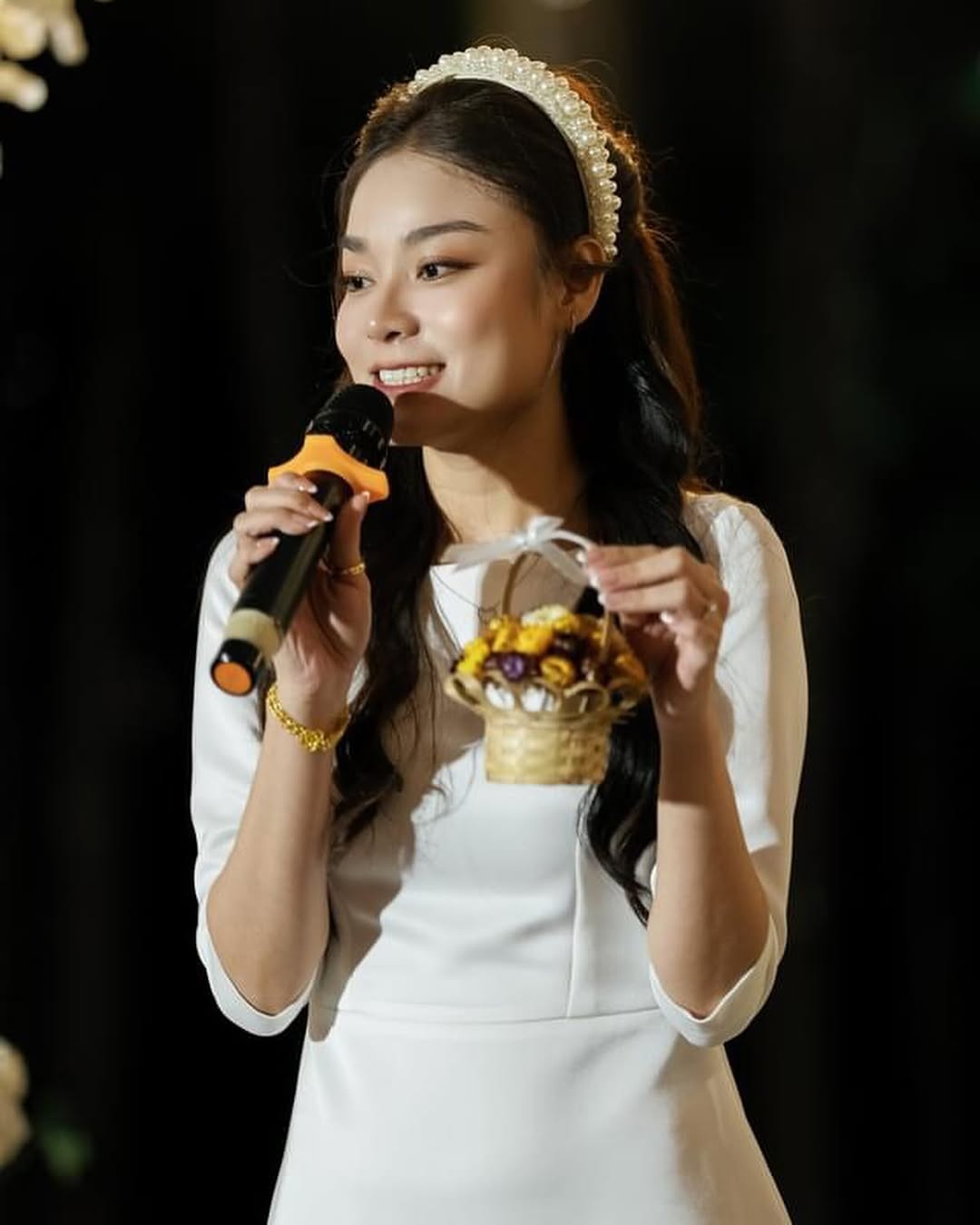
An outdoor wedding offers a distinctly different experience but also introduces variables that are less common at indoor celebrations. In Da Lat especially, weather conditions must be incorporated into the plan from the moment the venue is selected rather than waiting until a few days before the wedding to find a solution.
A Plan B for Da Lat weather and unexpected situations at outdoor weddings
A genuine Plan B is not simply preparing a few umbrellas. The Wedding Planner needs to identify the backup venue, its capacity, how tables and chairs will be relocated, how electrical equipment will be protected, how the ceremony area will be covered, how the decor will be adjusted, where guests can take shelter from rain, and how much time is needed to switch to the alternative arrangement.
The Pine typically establishes weather monitoring checkpoints before the event and then sets a final decision deadline so vendors have sufficient time to implement the arrangements. Important preparations include a canopy or indoor backup space, non-slip flooring, electrical system protection, fresh flower contingency arrangements, jackets or warming equipment where appropriate, and guest transportation routes in case of rain.
Most importantly, Plan B must be designed from the beginning to preserve the spirit of the concept. When the backup plan is only considered shortly before the wedding, the space can easily become a patchwork version of the original arrangement.
Common mistakes when organizing a small wedding without professional planning
The first mistake is assuming that fewer guests mean less work. Even with 50 guests, the ceremony must start on time, the sound system must function, food must be served according to schedule, the photographer still needs a timeline, and vendors still need someone to make decisions.
The second mistake is investing heavily in decor while neglecting the operational budget. A beautiful space loses its value if the program runs an hour late, guests do not know where to sit, or the sound system keeps experiencing problems.
The third mistake is making constant changes during the final few days. When the guest list, layout, or rundown changes too late, the impact often extends to catering, stationery, staffing, and design. Therefore, a deadline for finalizing information should be established before the wedding day.
The role of Day-of Coordination in ensuring the bride and groom can fully enjoy their wedding day
Day-of Coordination is suitable for couples who have prepared most of the wedding arrangements themselves but need a professional team to take over the plan and manage the wedding day. The actual work usually begins before the event, when the Wedding Planner reviews contracts, timelines, vendor lists, spatial layouts, and any unresolved details.
On the wedding day, the team is responsible for checking the setup, coordinating vendors, monitoring the timeline, cueing the ceremony, coordinating with the restaurant, assisting guests, and handling unexpected situations. The greatest value of this service is not simply having additional people on-site, but establishing a central point of contact with sufficient information and authority so the bride and groom do not have to manage their own event.
The Pine Wedding Planner – Creating bespoke minimalist weddings where every love story becomes a work of art
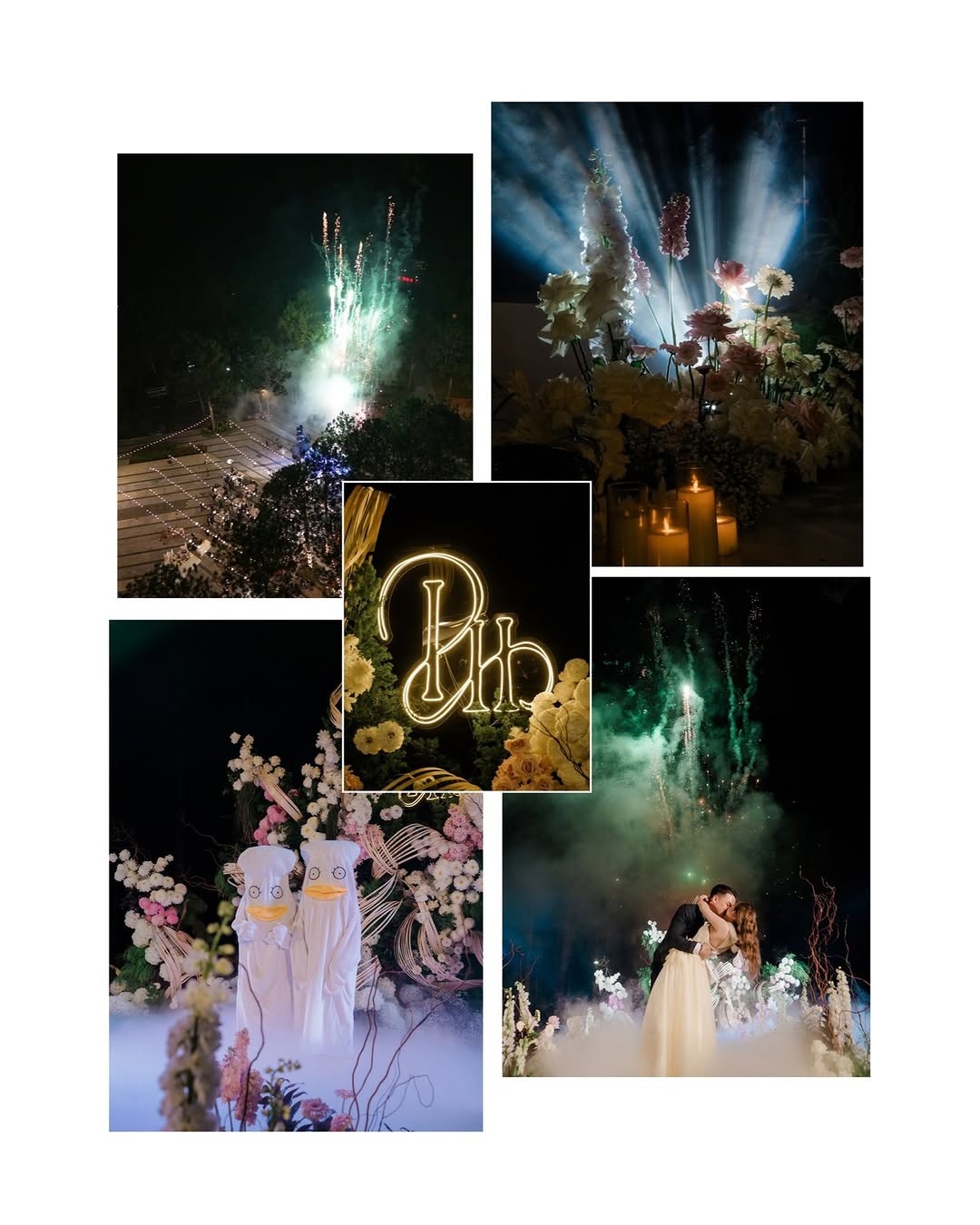
With The Pine, a a minimalist wedding does not begin with choosing a backdrop design. The starting point is always the couple's story, how they want guests to experience their wedding day, and which values should remain after all the lights have gone out.
Full-service A-to-Z Wedding Planning for couples who want an elegant, stress-free wedding
Services Full-Service Wedding Planner The Pine's team accompanies couples from the concept development stage and Budget Plan preparation through venue and vendor selection, design, rundown creation, rehearsals, and wedding-day coordination. The goal is to help couples see the entire picture before making individual decisions.
This approach is particularly suitable for busy couples, those organizing destination weddings, or those who want a highly personalized celebration without having to manage dozens of tasks and multiple suppliers simultaneously.
Our strengths in Fine Art wedding design in Da Lat and Ho Chi Minh City, with a personalized touch
From the pine forests of Da Lat to gardens and private venues in Ho Chi Minh City, The Pine prioritizes designs based on each location's existing characteristics. Beautiful scenery is preserved, decorative structures are added only where necessary, and the color palette is developed around the couple's personal story rather than applying one ready-made template to every wedding.
Warm Amber & Ivory Cream, White & Sage Green, fresh flowers, candlelight, wood, and natural materials can become a distinctive Fine Art visual language. However, their combinations should always be adjusted to suit the couple's personalities, attire, venue, and desired wedding experience.
Accompanying You from the First Idea to the Final Moment So Your Family Can Truly Enjoy the Celebration
A successful wedding is not judged solely by beautiful photographs. It is also reflected in parents who do not have to constantly check on arrangements, a bride who does not need to call vendors while getting her makeup done, a groom who does not have to manage the timeline, and guests who can clearly feel the care invested in every detail.
If you are envisioning a a minimalist wedding, a an intimate post-wedding celebration or an intimate wedding with fewer than 100 guests in Da Lat or Ho Chi Minh City, The Pine Wedding Planner can accompany you from the initial stage to help define the concept, allocate the budget, select vendors, and develop an appropriate operational plan. When every decision serves the same story, a wedding does not need countless details to become memorable.
The Pine Wedding Planner believes that elegance is not about how many things a wedding contains, but about ensuring that every detail retained has a meaningful reason to be there.
