

A wedding with fewer than 100 guests does not mean that everything has to be stripped down to the bare minimum. On the contrary, a smaller guest list gives couples the opportunity to invest more deeply in each experience, especially the culinary experience. A intimate wedding menu that is thoughtfully designed needs to address three key considerations simultaneously: delicious food, broad appeal across generations, and distinctive touches that help guests remember the couple's story. This article helps you envision how to create a streamlined menu, manage your budget, and organize a dining experience that harmonizes with the concept of a small wedding.
What Is an Intimate Wedding Reception Menu? The Role of Food at Small Weddings with Fewer Than 100 Guests
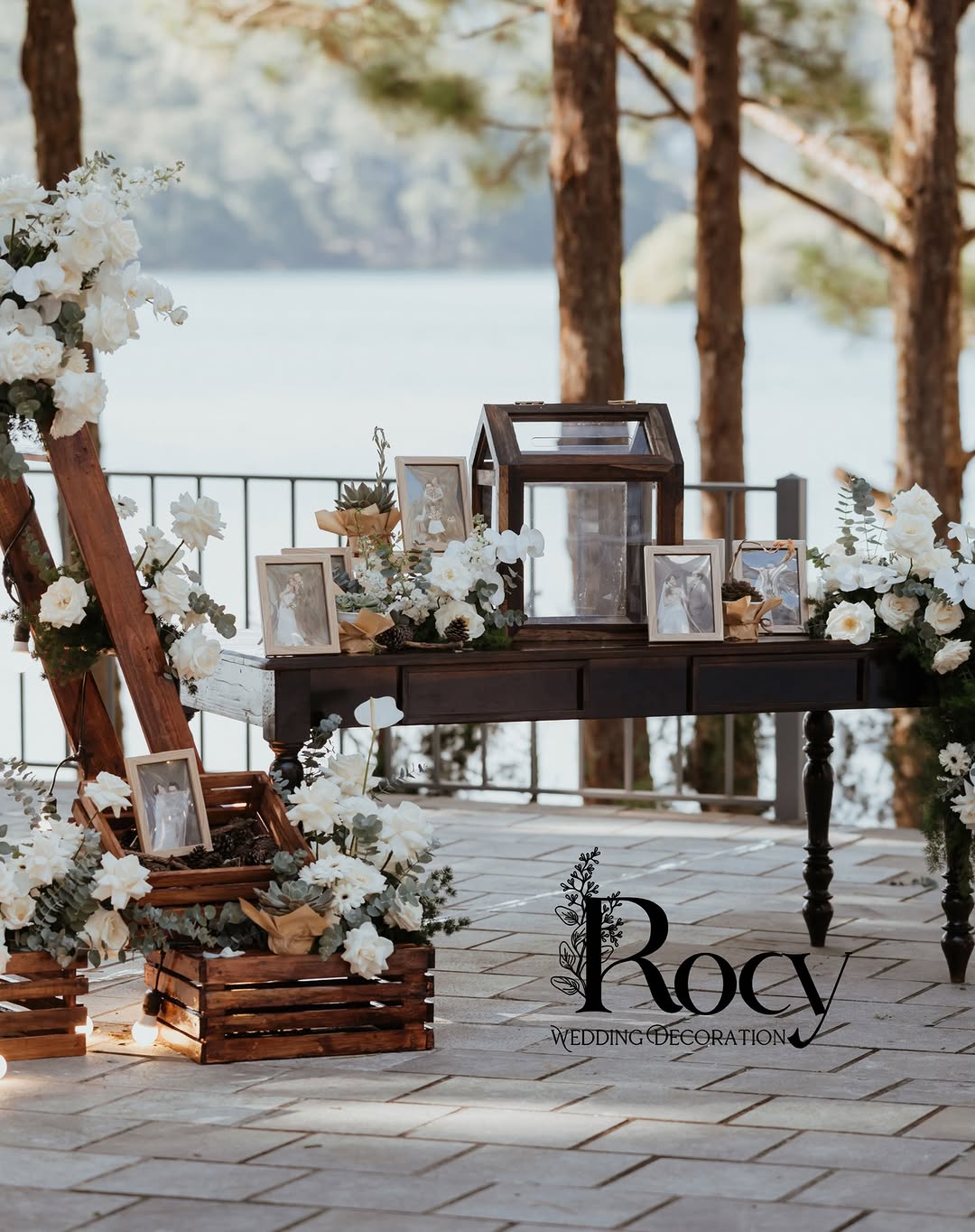
Why Should an Intimate Wedding Reception Menu Be Designed Differently from a Traditional Large Wedding Banquet?
At large-scale weddings, menus typically prioritize the ability to serve everyone simultaneously, the speed of service, and broad appeal. For weddings with fewer than 100 guests, the criteria can be different: dishes can be selected more carefully, portions can be adjusted more flexibly, presentations can be more refined, and there is more room to incorporate the couple's story.
A intimate wedding menu It should not be a scaled-down version of a traditional banquet menu. A smaller guest count allows couples to consider options such as individually plated menus, family-style sharing, boutique buffets, or set menus with a serving schedule coordinated with the event program. The key is to choose a service style that suits the venue, staffing capacity, event schedule, and experience the couple wants to create.
In practice, The Pine typically begins its consultations with three questions: Who are the guests, how long will they be seated together, and what kind of atmosphere does the couple want the reception to have? Once these three questions are answered, menu selection becomes less subjective and the menu has a clearer operational foundation.
Food Is More Than Just a Meal; It Is Part of the Love Story and Emotional Experience Shared with Guests
At an intimate family wedding, the guests are usually the people who are genuinely close to the couple. This makes food a natural way to tell their story. It could be a dish that recalls where they first met, a favorite from a memorable trip, a familiar family recipe, or a signature drink from the city where the wedding takes place.
When food comes with a story, guests do more than simply enjoy a meal; they also connect with the couple's journey. A small bite served during the welcome cocktail, a main course inspired by their hometown, or a dessert named after a cherished memory can add emotional depth without being extravagant.
At an intimate wedding, what makes the meal memorable is not the number of dishes, but whether each one is served at the right moment, suits the guests' tastes, and has a meaningful place on the menu.
Principles for Creating a Refined Wedding Menu: Fewer Dishes, Higher Quality, and a More Personal Touch
A streamlined menu should avoid two extremes: too few dishes, leaving guests unsatisfied, or too many dishes, making the meal drag on and feel overwhelming. A well-balanced structure typically includes appetizers, one or two signature main courses, a starch or vegetable dish for balance, and dessert. The exact number of dishes should be adjusted according to the event duration, serving style, and guest profile.
- Prioritize dishes made with high-quality ingredients rather than simply increasing the number of courses.
- Avoid repeating the same ingredient groups or cooking methods across several consecutive dishes.
- Create clear transitions in flavor and texture between appetizers, main courses, and desserts.
- Always provide suitable options for older guests, children, vegetarians, and guests with food allergies.
- Coordinate the presentation of each dish with the table styling concept so that the visual and culinary experiences feel seamlessly connected.
Suggested Structure for an Intimate Wedding Reception Menu: Balancing Flavor and Experience
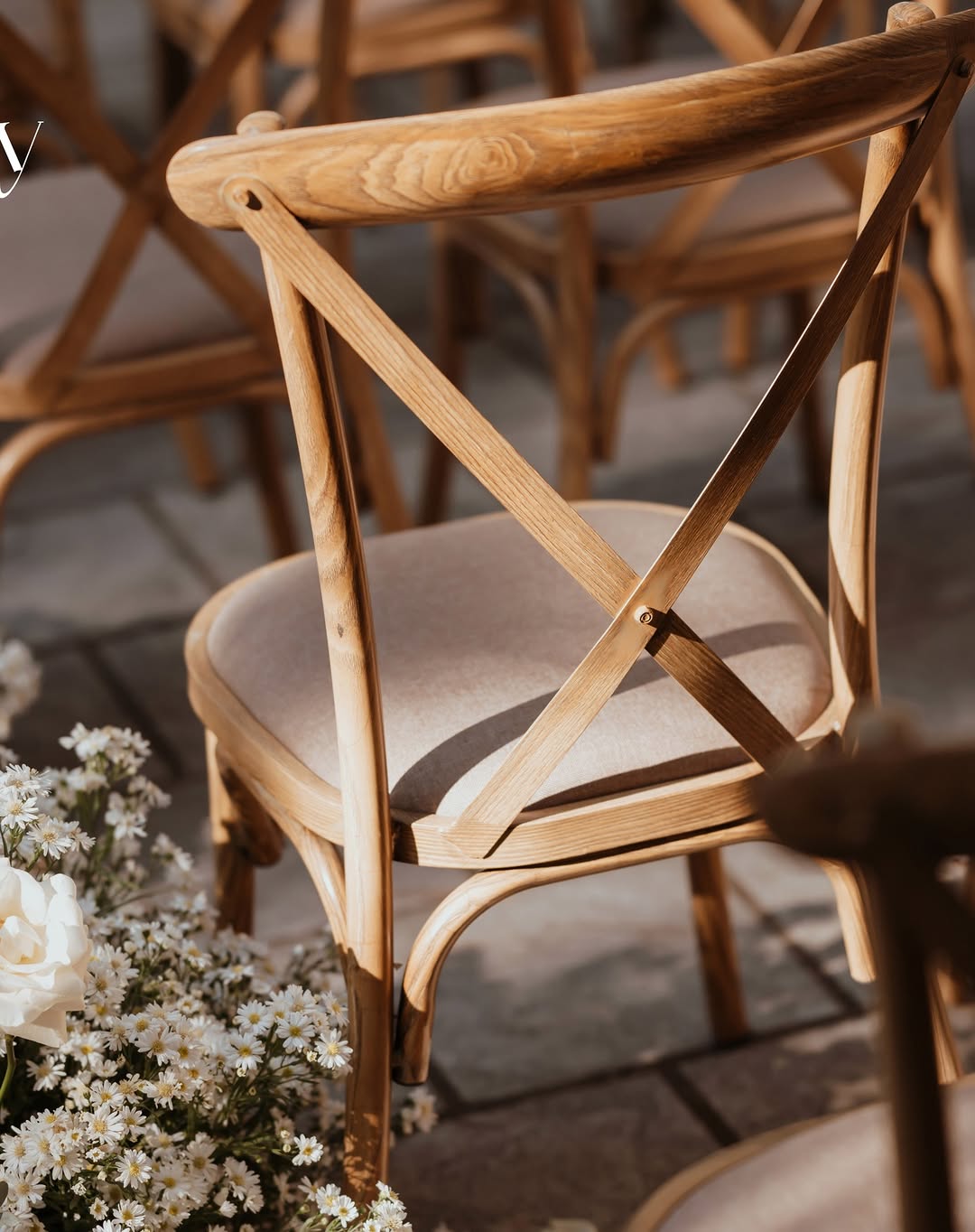
Elegant Appetizers: Starters That Make an Impression at a Warm, Family-Style Celebration
Appetizers should be light, visually appealing, and not too filling. For an intimate wedding, couples can choose one or two small bites, such as seasonal salads, savory tarts, delicate soups, crostini, cold cuts, cheese boards, or canapés. If a welcome cocktail reception takes place before the ceremony, appetizers should be considered as part of the overall dining experience to avoid serving too much food.
For example, a garden wedding in Da Lat might begin with a seasonal vegetable salad featuring cheese, nuts, and a light dressing, accompanied by a warm soup if the reception takes place in the late afternoon. By contrast, an evening reception in Ho Chi Minh City may be better suited to canapés and refreshing cold appetizers that are easy to enjoy in the warm weather.
Well-Balanced Main Courses: How to Choose Dishes for Close Friends and Family Members of Different Generations
Small weddings often have a higher proportion of family members and older guests than gatherings made up entirely of friends. Therefore, main courses should offer something distinctive while remaining familiar enough for guests of different generations to enjoy. A practical approach is to choose one approachable signature dish and another that adds a unique personal touch.
For example, the couple can combine delicately prepared fish or poultry with beef or seafood presented in a modern style. If there are many older guests in the family, it is best to avoid dishes that are too chewy, too spicy, overly rich in sauce, or difficult to eat. This may seem like a small detail, but it directly affects how well guests feel cared for.
Desserts and Drinks: Completing the Culinary Journey at an Intimate Wedding Reception
Desserts do not need to be elaborate, but they should provide a light and pleasant finish. Seasonal fruit, panna cotta, mousse, fruit tarts, ice cream, mini pastries, or a dessert station can all work well depending on the concept. If there is already a large wedding cake, dessert portions should be planned carefully to avoid waste.
A welcome drink station can create a warm and intimate atmosphere as soon as guests arrive. The couple can prepare a signature cocktail, mocktail, or fruit tea inspired by their personal story. For a smaller guest list, this experience often makes a stronger impression than offering too many drink options without a memorable highlight.
Wedding Menu Style Ideas by Wedding Concept: Fine Dining, Garden Wedding, Rustic, and Dalat Weddings
For Fine Dining, the experience should follow the rhythm of multiple small courses, elegant presentation, and carefully coordinated serving times that align with the event schedule. For a Garden Wedding, the menu should prioritize dishes that maintain their quality outdoors, with fresh colors and a light feel. For a Rustic wedding, sharing platters served at each table or family-style dining can create a warmer, more intimate atmosphere. For a wedding in Da Lat, particular attention should be paid to temperature, wind, humidity, and serving times to prevent dishes from cooling too quickly or losing quality.
The Pine typically integrates the menu into the overall concept rather than treating the culinary experience as separate from the décor. When the table settings, flowers, lighting, materials, and dishes all share the same visual language, the overall experience feels more cohesive. This is also why full-service Wedding Planner service it significantly reduces the number of separate vendors the couple needs to coordinate themselves.
How to Personalize an Intimate Wedding Menu Around the Couple's Unique Love Story
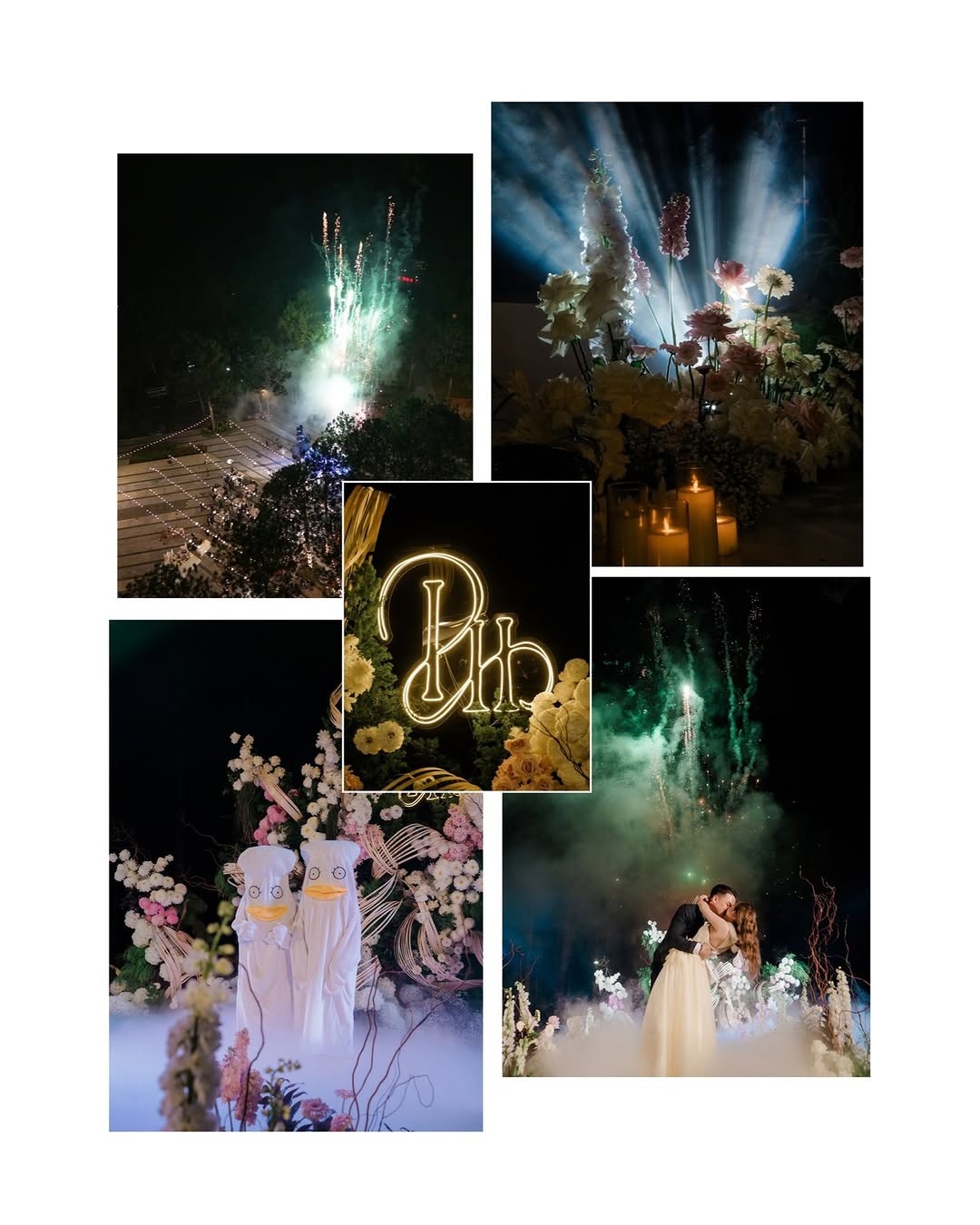
Bringing Love Memories to the Menu: Dishes Inspired by the Bride and Groom's Journey Together
Personalization does not mean that every dish has to be unusual. A more effective approach is to choose a few meaningful details. An appetizer could evoke memories of the couple's first date, a cocktail could be named after the city where they met, or a dessert could be inspired by a flavor they both love.
If the couple has a memorable story to share, The Pine can work with vendors to incorporate it into a small detail on the menu card or a brief introduction by the MC. Telling the story in just the right amount of detail helps guests understand the meaning behind the dishes without making the program unnecessarily long.
Blending Both Families' Cultures into an Intimate Wedding Menu
For families from two different regions or cultural backgrounds, the menu offers a wonderful opportunity to create balance. One dish can reflect the bride's family's traditional tastes, while another represents the groom's family. Both can then be brought together through a consistent presentation style.
If the wedding ceremony includes ancestor ceremony, the main reception menu does not necessarily need to repeat the traditional dishes served during the ceremony. Instead, the couple can preserve the spirit of hospitality and cultural symbolism through a few thoughtful details while giving the main reception a more contemporary style. This allows the ceremony and celebration to have distinct identities while remaining connected.
Designing Interactive Experiences: Welcome Cocktails, Dessert Tables, Dessert Stations, and Activities for Intimate Weddings
Activities at an intimate wedding should prioritize meaningful connections rather than creating an oversized stage production. A welcome cocktail area, a small pastry table, a dessert bar, or a coffee corner can provide inviting spaces where guests naturally mingle before and after the main ceremony.
If the couple would like to include intimate wedding vowsso avoid scheduling food service during this moment. The kitchen rhythm, service pace, and rundown need to be coordinated to ensure that staff movement, utensil sounds, or table clearing do not interrupt this emotional moment.
Tips for Choosing a Wedding Menu That Is Budget-Friendly Yet Elegant
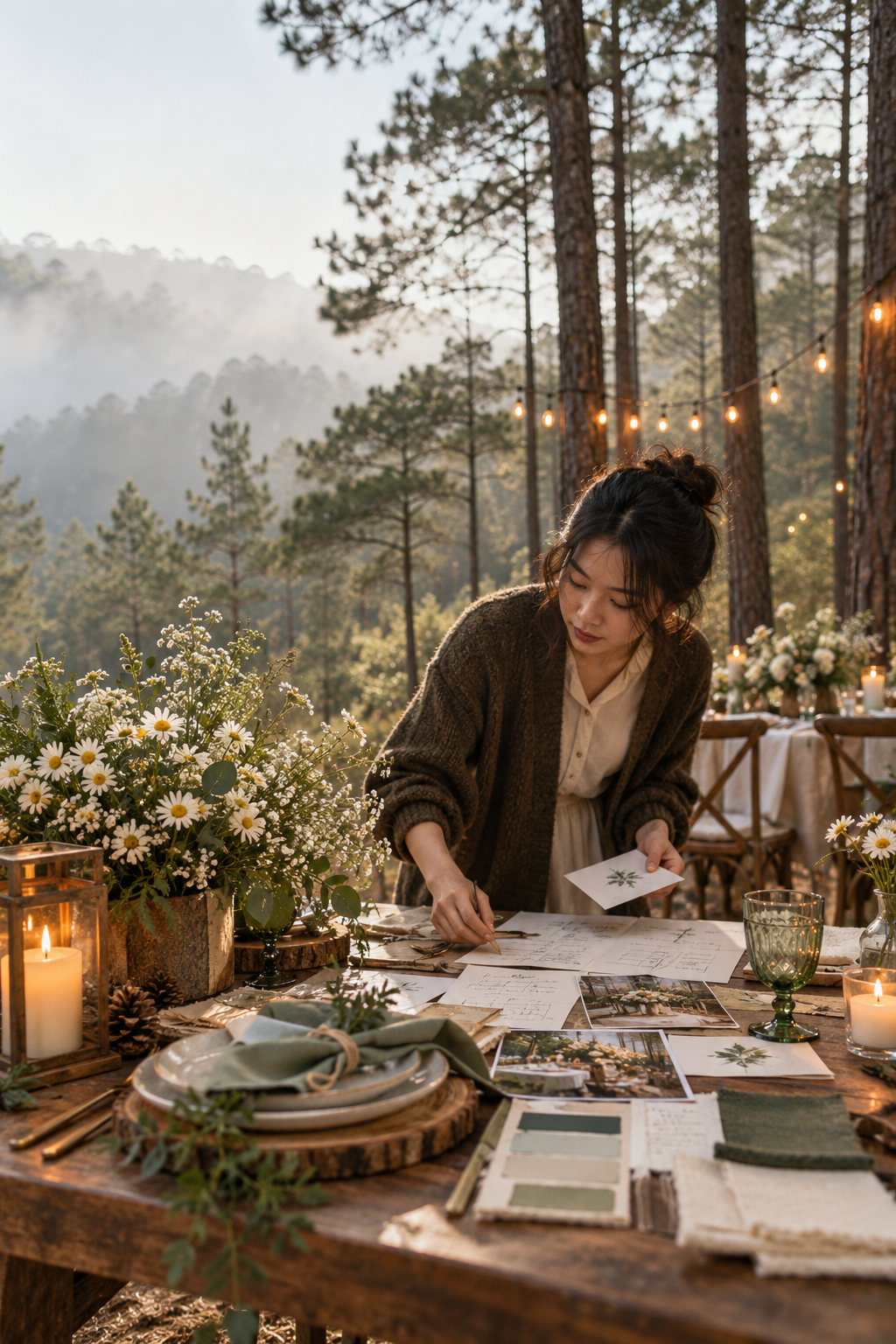
Determining the Budget and Guest Count to Create a Suitable Intimate Wedding Menu
The catering budget should be determined based on the actual number of guests, service style, venue, ingredient quality, and operating costs. Do not focus solely on the per-person price. Ask whether the quoted price includes serving staff, tableware, transportation, kitchen setup, beverages, VAT, overtime charges, and any other related additional costs.
For a intimate wedding menuthe main advantage is that couples can focus their budget on the overall experience rather than the number of guests. However, a smaller wedding does not necessarily mean a lower cost per guest, as many fixed expenses, such as kitchen facilities, transportation, staff, and equipment, still apply. Therefore, it is important to consider the total budget rather than comparing only the per-person price.
How to Balance Food Costs, Table Decorations, and Guest Experiences Within Your Wedding Budget
The three cost categories most directly connected are food, table styling, and table service. If couples invest heavily in floral centerpieces, table linens, charger plates, and special tableware, the catering budget should be adjusted to keep the total cost within the desired limit. Conversely, if the food is the main focus, some table-setting details can be simplified while maintaining a cohesive color palette and materials.
At The Pine, budget management takes a holistic approach rather than cutting costs from individual items in isolation. The goal is to identify which expenses genuinely enhance the guest experience, which can be replaced, and which are likely to generate additional costs. With a suitable plan, a target of reducing costs by 15–20% can be achieved by choosing the right vendors, service formats, number of items, and timing for confirming services, rather than compromising on core quality.
Tips for Optimizing Your Menu Based on Season, Venue, and Quality Ingredient Sources
Seasonal ingredients generally offer more consistent quality and make it easier for vendors to manage their supply. For weddings in Da Lat, couples can incorporate seasonal vegetables, fruits, or herbs as part of the local culinary experience. However, selections should still be based on the vendor's actual supply capacity at the time of the event.
Especially for outdoor weddings, Da Lat climate conditions can change rapidly between daytime and evening. The menu should be evaluated based on the expected temperature, travel time from the kitchen to the tables, and the ability to keep dishes hot or cold. A dish that tastes excellent during a kitchen tasting may not maintain the same quality when served outdoors without an appropriate operational plan.
The Role of a Wedding Planner in Maintaining Budget Transparency and Preventing Unexpected Costs
A wedding planner does more than introduce vendors. More importantly, the planner establishes a budget framework, compares quotation scopes, identifies hidden costs, and manages changes throughout the preparation process. This provides the foundation for a small, intimate wedding to maintain high quality without requiring the couple to handle dozens of separate tasks.
With full-service Wedding Planner serviceThe Pine connects the menu with the concept, timeline, decorations, sound, ceremony, and venue operations. When everything is integrated into a single plan, the risk of overordering, understaffing, or unexpected costs caused by last-minute changes is significantly reduced.
The Pine Wedding Planner's Practical Process for Creating an Intimate Wedding Menu
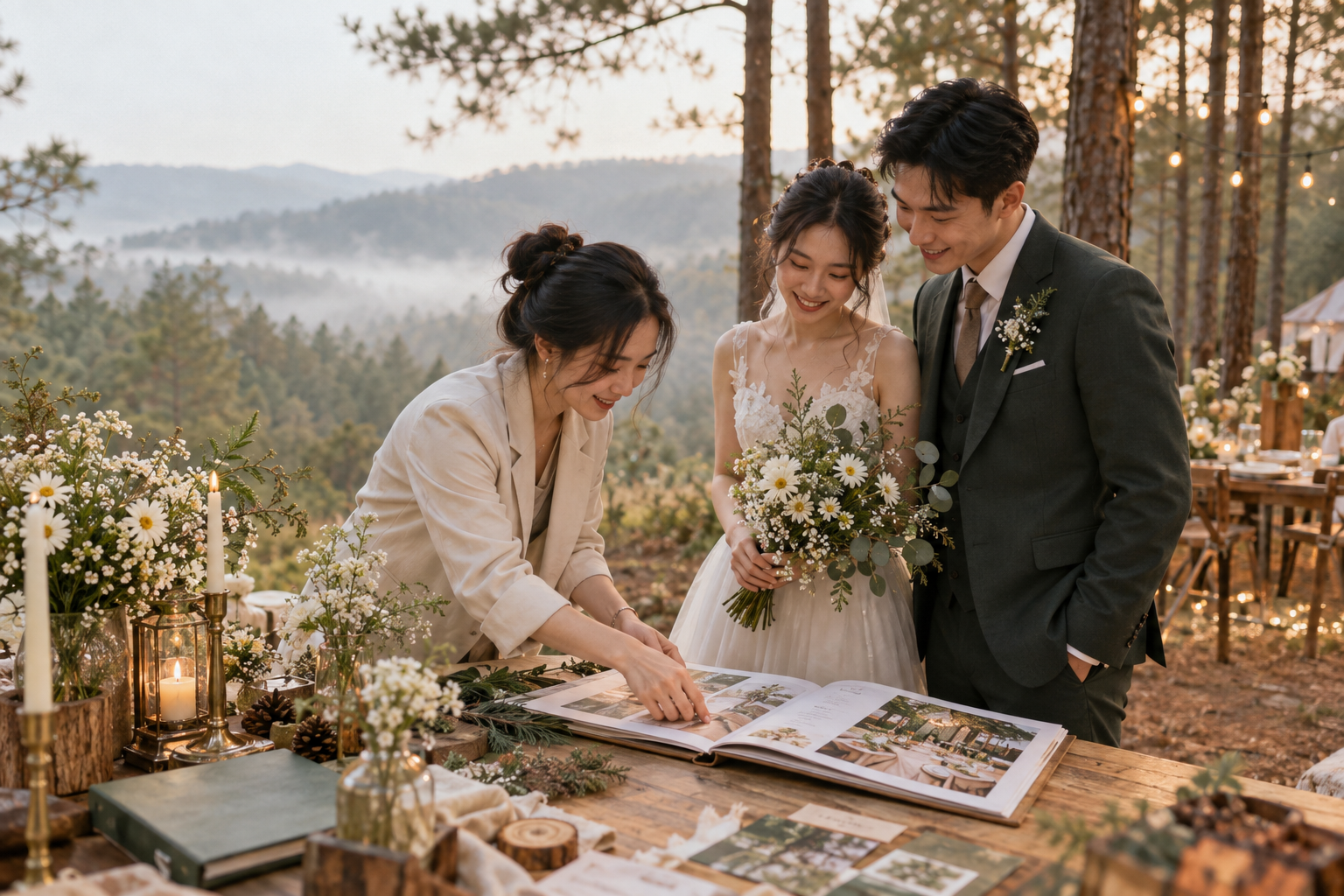
Step 1: Understanding the Wedding Style, Culinary Preferences, and the Couple's Unique Story
The Pine begins with a consultation to understand food preferences, dietary restrictions, allergies, the proportions of elderly guests, children and international guests, the wedding style, and the budget. This is also when the couple decides whether food should play a central role or serve as one element supporting the overall experience.
Based on this information, the planner can create a clearer brief for vendors instead of simply requesting a menu that is 'luxurious' or 'beautiful.' A good brief should clearly describe the desired atmosphere, course structure, budget range, service style, and technical limitations of the venue.
Step 2: Connecting with and Selecting Food Vendors Suited to the Wedding Concept in Dalat and Ho Chi Minh City
Not every vendor who cooks well is suitable for every wedding. The Pine also evaluates outdoor catering capabilities, transportation capacity, service teams, serving speed, kitchen equipment, emergency handling capabilities, and the ability to coordinate with the venue. In Da Lat in particular, experience in catering under actual terrain and weather conditions is an especially important criterion.
After shortlisting, the couple should compare quotes based on the same scope of services to avoid situations where one vendor offers a lower price but excludes important operational items.
Step 3: Food Tasting, Flavor Adjustments, and Finalizing the Menu Before the Wedding Day
Food tasting is not just about choosing the best-tasting dishes. It is an overall assessment of portion sizes, the balance between dishes, serving temperatures, presentation, and suitability for multiple generations. The couple should take specific notes on each dish rather than giving vague feedback such as “good” or “not good.”
- Check the levels of saltiness, sweetness, richness, and spiciness.
- Evaluate portion sizes in the context of the entire set menu.
- Check whether the dishes can maintain their appearance when served in large quantities.
- Confirm alternative options for vegetarian guests or guests with food allergies.
- Finalize the wording of dish names on the menu cards to ensure guests can easily understand them.
Step 4: Wedding Day Coordination, Food Quality Control, and Maintaining the Perfect Emotional Flow
On the wedding day, catering coordination must align the kitchen with the event timeline. Dishes should not be served during the exchange of vows, family speeches, the first dance, or other moments that require everyone's attention. Conversely, excessively long waits between courses can tire guests and disrupt the flow of the program.
The Pine coordinates with the venue and vendors to review serving times, the number of tables, setup status, staff movement routes, and potential bottlenecks that could cause delays. The goal is to ensure the bride and groom do not have to step away to handle behind-the-scenes issues on their own wedding day.
Important Considerations When Preparing an Intimate Outdoor Wedding Menu in Da Lat
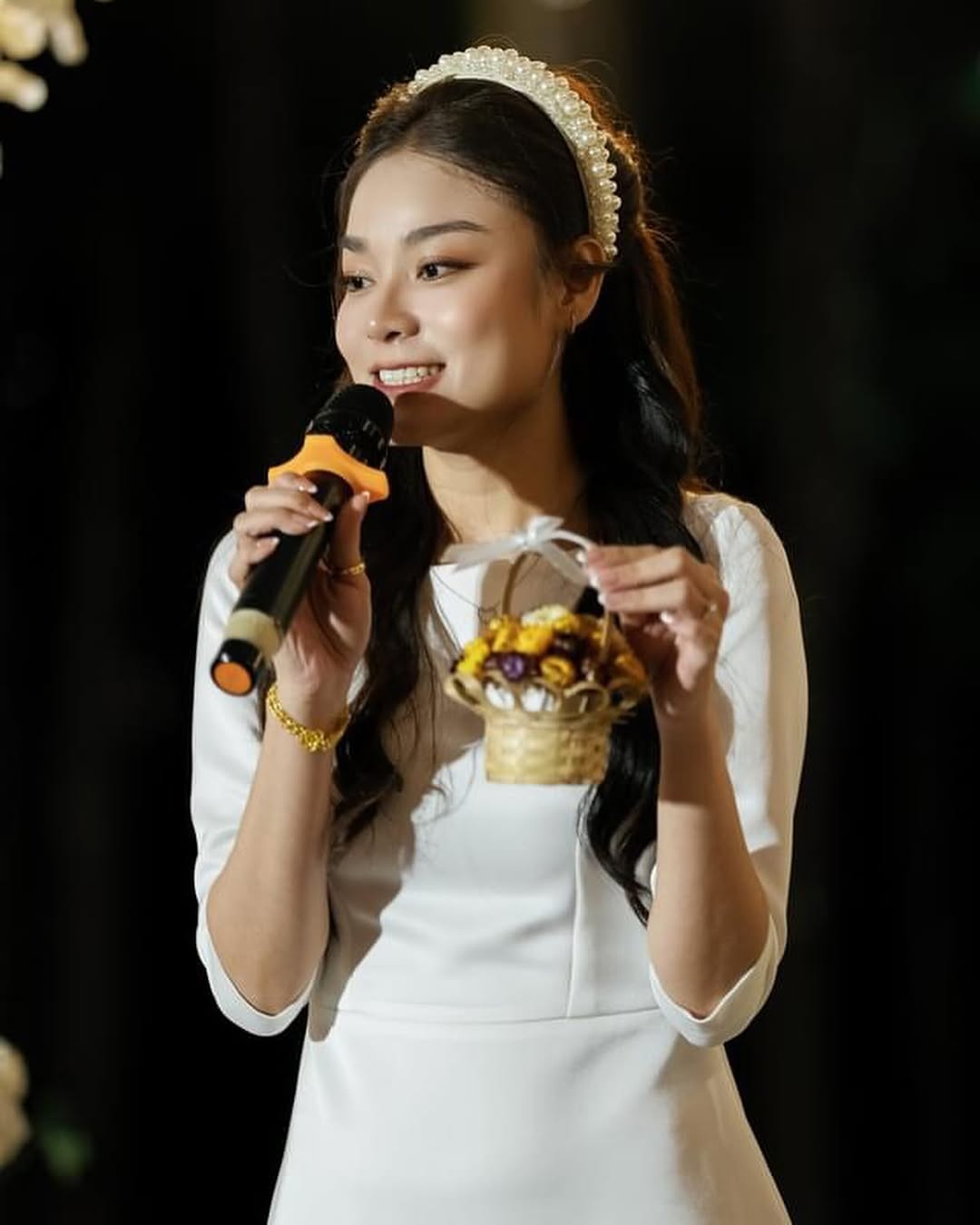
Managing Weather Conditions, Temperature, and Plan B Options for Garden and Pine Forest Weddings
Da Lat is beautiful for outdoor weddings, but the weather is a variable that cannot be overlooked. A good Plan B involves more than simply putting up an extra canopy. It is essential to clearly determine when the decision to switch plans will be made, the alternative area, guest flow, kitchen location, power supply, lighting, tables and chairs, and how the entire setup will be relocated in the event of rain or strong winds.
For the menu, Plan B also involves temperature control, ingredient storage, the distance between the kitchen and dining area, and serving arrangements if the venue layout changes. These details should be reviewed early with the venue and caterer rather than left until just before the wedding.
Choosing Dishes That Suit the Outdoor Setting and Wedding Schedule
Lunch, afternoon, and evening receptions have different dining requirements. Outdoor lunches should prioritize light, fresh, and easy-to-enjoy dishes. For late-afternoon and evening receptions in Da Lat, soup, hot dishes, or warm beverages can be added to make guests more comfortable as temperatures drop.
Dishes that are sensitive to temperature, melt easily, quickly lose their crispness, or require prolonged presentation outdoors should be carefully considered. The couple should also discuss food safety, food storage times, and service procedures with the vendor, especially when the temporary kitchen is set up outdoors.
Pre-Wedding Checklist: Guest Count, Food Allergies, Dining Tables, and Logistical Operations
Before the wedding day, The Pine recommends that couples and planners finalize an operational checklist. This step helps minimize small oversights that could directly affect the guest experience.
- Confirm the final guest count by the venue and caterer's deadlines.
- Review dietary requirements, including vegetarian meals, food allergies, and other special requests.
- Confirm the seating chart and the corresponding number of meal portions for each area.
- Check the children's menu if many families will be bringing young children.
- Finalize the number of service staff and the table-to-staff ratio.
- Confirm the kitchen timeline, the serving times for each course, and the breaks between ceremony segments.
- Check electricity, water supply, food preparation areas, transport routes, and waste collection points.
- Finalize a Plan B in case of rain, strong winds, or temperature changes.
- Confirm who has the final decision-making authority if unexpected issues arise on the wedding day.
The Pine Wedding Planner – Creating a Tailor-Made Intimate Wedding Menu for a Perfect Celebration
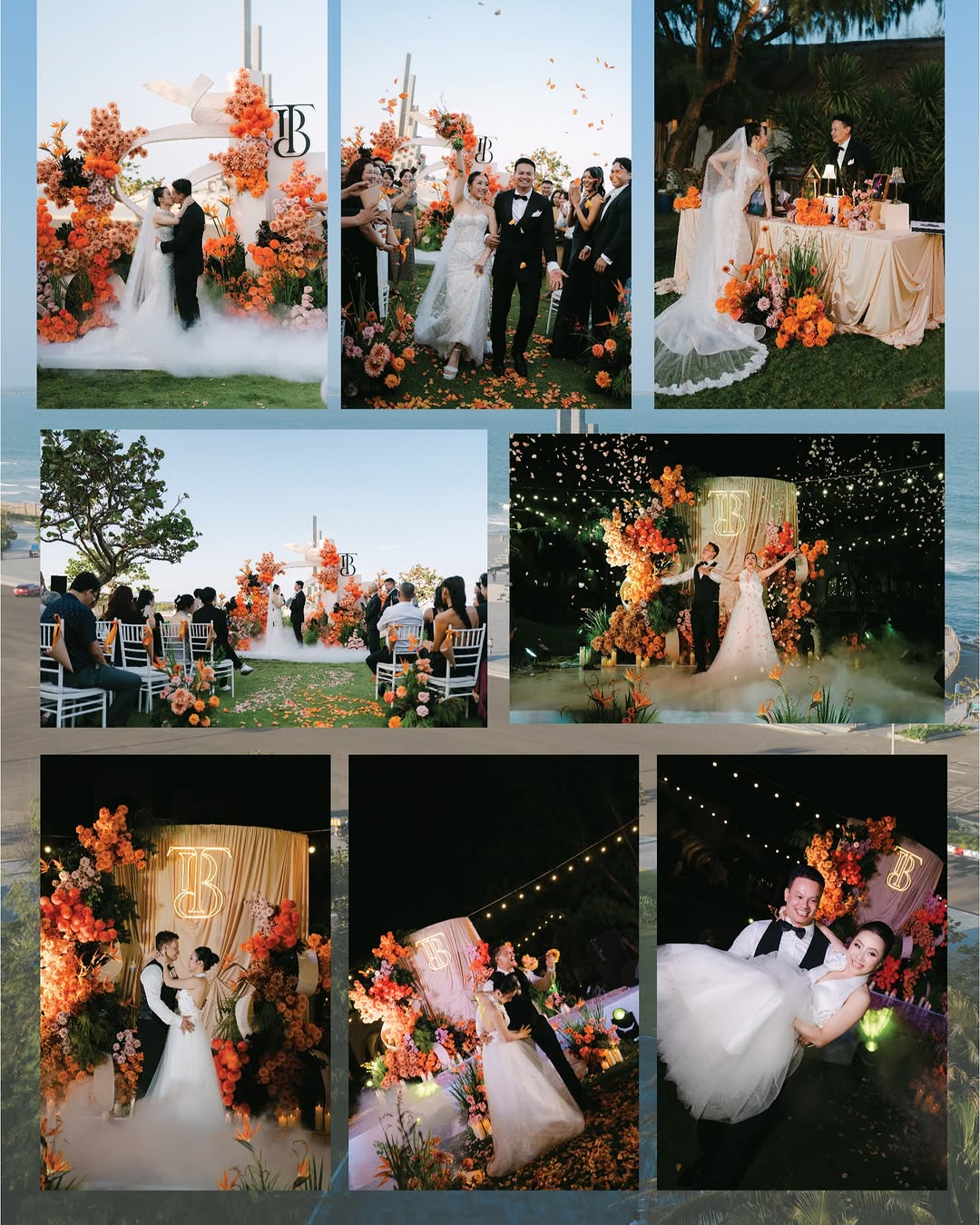
Every Wedding Menu Is Part of an Artistic Masterpiece That Tells the Couple's Love Story
For The Pine, the menu is not a standalone element but an integral part of the overall wedding story. The colors of the dishes, presentation style, menu cards, table settings, lighting, flowers, and service flow can all come together to create a cohesive experience. When these details are thoughtfully designed, guests can feel the care and attention behind every choice without the couple having to explain much.
Intimate Wedding Planning Tips to Help Couples Relax and Enjoy Every Moment
A successful intimate wedding is not about doing less, but about choosing the right elements to invest in. A smaller scale allows The Pine to pay closer attention to every touchpoint: from where loved ones are seated and the distance between the stage and dining tables to the pace of serving each course and the timing of the vows. As a result, the celebration maintains its intimacy and emotional warmth from beginning to end.
Especially for couples hosting their wedding in Da Lat, The Pine's hands-on experience with local weather, terrain, and outdoor event operations makes it possible to prepare contingency plans well in advance rather than reacting after problems arise.
Full-Service Wedding Planning from Concept, Budgeting, and Decoration to Wedding Day Coordination in Da Lat and Ho Chi Minh City
The Pine accompanies couples from concept development, moodboards, budgeting, vendor selection, decoration, and food tasting to the wedding-day rundown and coordination. This approach helps ensure that intimate wedding menu nothing feels disconnected from the overall vision, but instead becomes an integral part of a seamless experience.
If you are planning an intimate wedding, a cozy family celebration, or a garden wedding in Da Lat or Ho Chi Minh City, The Pine Wedding Planner can work with you to develop a suitable plan, from the budget to every detail of the guest experience. A memorable wedding day does not need too many things; it simply needs the things that truly matter to be carried out thoughtfully, at the right time, and with enough refinement to allow you and your family to relax and fully enjoy every moment.
