

In a Vietnamese wedding, there are moments that do not need to be elaborate to move the entire family. One such moment is when the bride and groom stand before the ancestral altar, light incense, and formally announce their happy news to their ancestors. Therefore, traditional ancestral altar decoration is not simply about beautifying a room before the bride's procession. It is about preparing a space that is solemn enough for the ceremony, refined enough for the special occasion, and intimate enough to preserve the family's cultural identity. This article will guide you through its cultural significance, essential preparations, 2026 design trends, procedures, budget considerations, and practical tips for organizing an ancestral worship ceremony at home.
What Is Traditional Ancestral Altar Decoration? Its Cultural Significance in Vietnamese Weddings
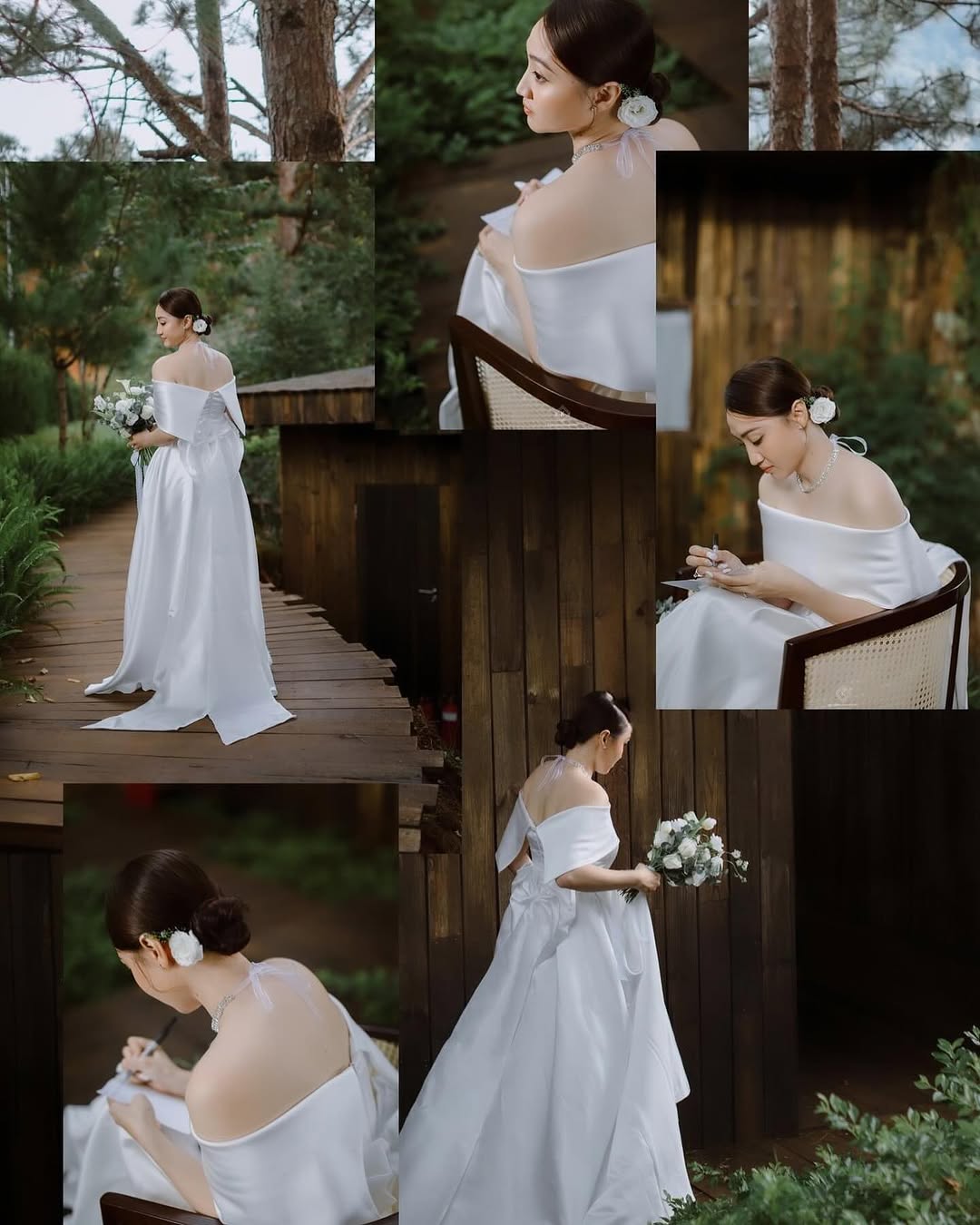
The Ancestral Worship Ceremony – A Sacred Moment for Both Families to Witness the Marriage
The ancestral worship ceremony is an important part of Vietnamese wedding customs. Depending on the region, religion, and family traditions, the ceremonial sequence may vary. However, its core meaning remains the same: the bride and groom respectfully inform their ancestors of their marriage while receiving blessings from their parents and loved ones.
For this reason, the altar area should not be viewed merely as a photo backdrop. It is the spiritual heart of the ceremony. When creating traditional ancestral altar decorations, The Pine always prioritizes the solemnity of the worship space before incorporating flowers, colors, and surrounding aesthetic details.
The Difference Between Traditional Ancestral Altar Decoration and Modern Wedding Decoration
Modern wedding decoration allows for a wide range of creative possibilities: stages, backdrops, gallery tables, and guest reception areas can all be extensively customized to match a particular concept. In contrast, ancestral ceremony spaces are directly influenced by the home's architecture, existing altar, family customs, and ceremonial sequence.
Therefore, a beautiful design is not necessarily a suitable one. For example, a large floral backdrop may look impressive on a mood board, but in a townhouse with a width of just 4 meters, it could make walkways too narrow. A tall floral arrangement placed in the wrong position could obscure the altar or obstruct the two families during the ceremony. A good ancestral altar design must balance aesthetics, functionality, and ceremonial requirements.
Why Should Ancestral Ceremony Spaces Harmoniously Blend Traditional Charm with Contemporary Aesthetics?
Preserving traditional elements does not mean having to recreate old designs exactly as they were. Modern materials, fresh flowers, and contemporary arrangement techniques can all be used, provided they do not compromise the inherent solemnity of the ancestral worship ceremony.
For a project involving ancestral altar design and decoration, The Pine usually begins with the elements already present in the home: the color of the altar wood, interior materials, lighting, living room dimensions, and the preferences of both families. The concept is then developed based on these factors rather than imposing a pre-existing design on every space.
Key Elements of Traditional Ancestral Altar Decoration with Artistic Fresh Flowers
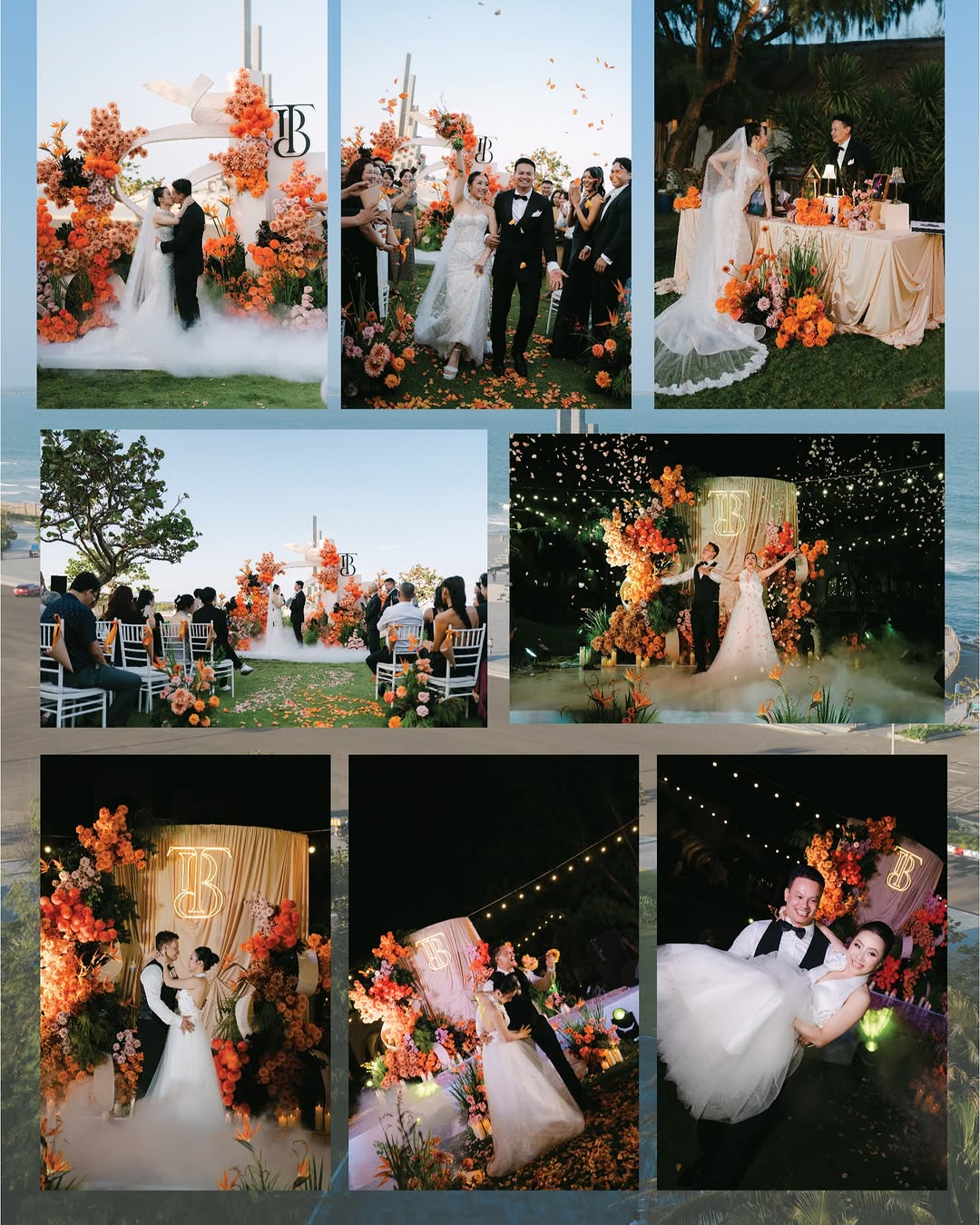
The Ancestral Altar on the Wedding Day – The Centerpiece of Solemnity and Reverence
The ancestral altar is the area that requires the most restrained approach. Floral arrangements should be appropriately proportioned, must not obscure worship objects, and should not interfere with incense offering. Flower colors should also complement the wood, walls, and lighting in the home.
In many spaces, just two balanced floral arrangements, neatly finished fabric or backdrop elements, and sufficient lighting can create a better effect than using too many accessories. The Pine's guiding principle is to highlight the solemnity of the ancestral altar rather than turn it into a decorative stage.
Wedding Ancestral Altar Backdrop – A Signature Design That Tells the Couple's Unique Love Story
Wedding ancestral altar backdrop can incorporate fabric, panels, wood materials, fresh flowers, or a combination of multiple material layers. However, the backdrop proportions must be calculated according to the home's actual dimensions, photography distances, and guest movement during the ceremony.
Rather than copying a popular design, The Pine can subtly incorporate details connected to the couple's story: their initials, meaningful flowers, favorite color palette, or a motif associated with their family. This creates a personal touch without compromising the traditional spirit.
Ancestral Altar Floral Entrance and Bride's Welcome Path – Creating a Memorable First Impression on the Wedding Day
Ancestral altar floral entrance serves as the transition between the outdoor space and the ceremonial area. For townhouses, the entrance design must be carefully planned to avoid obstructing walkways, the main door, or the movement of betel and wedding gift trays. For villas and homes with courtyards, the design can be expanded into a floral pathway, welcome sign, or decorative arrangement leading to the reception area.
Fresh flowers used outdoors must also be selected according to actual environmental conditions. In Ho Chi Minh City, high temperatures and direct sunlight can cause certain flowers to wilt quickly. In Da Lat, humidity, rain, and wind are factors that require consideration. Therefore, an attractive design on paper must be accompanied by a technical solution suited to the actual venue.
The Two Families' Ceremony Table, Betrothal Gift Trays, and Coordinated Decorative Accessories Following the Wedding Concept
The two families' ceremony table should coordinate with the overall design without being excessively decorated. Tablecloths, chairs, table flowers, tea trays, name signs, and supporting details should be arranged to ensure that older family members can sit comfortably, move around easily, and participate conveniently in the ceremony.
Betrothal gift trays are also an important part of the overall visual presentation. The colors of their coverings, floral decorations, and arrangements should be coordinated with the floral entrance, backdrop, and two families' ceremony table. When all elements share the same design language, the space becomes more elegant without requiring excessive decorative details.
Traditional Ancestral Altar Decoration Trends in 2026: From Cultural Heritage to Luxury Wedding Artistry
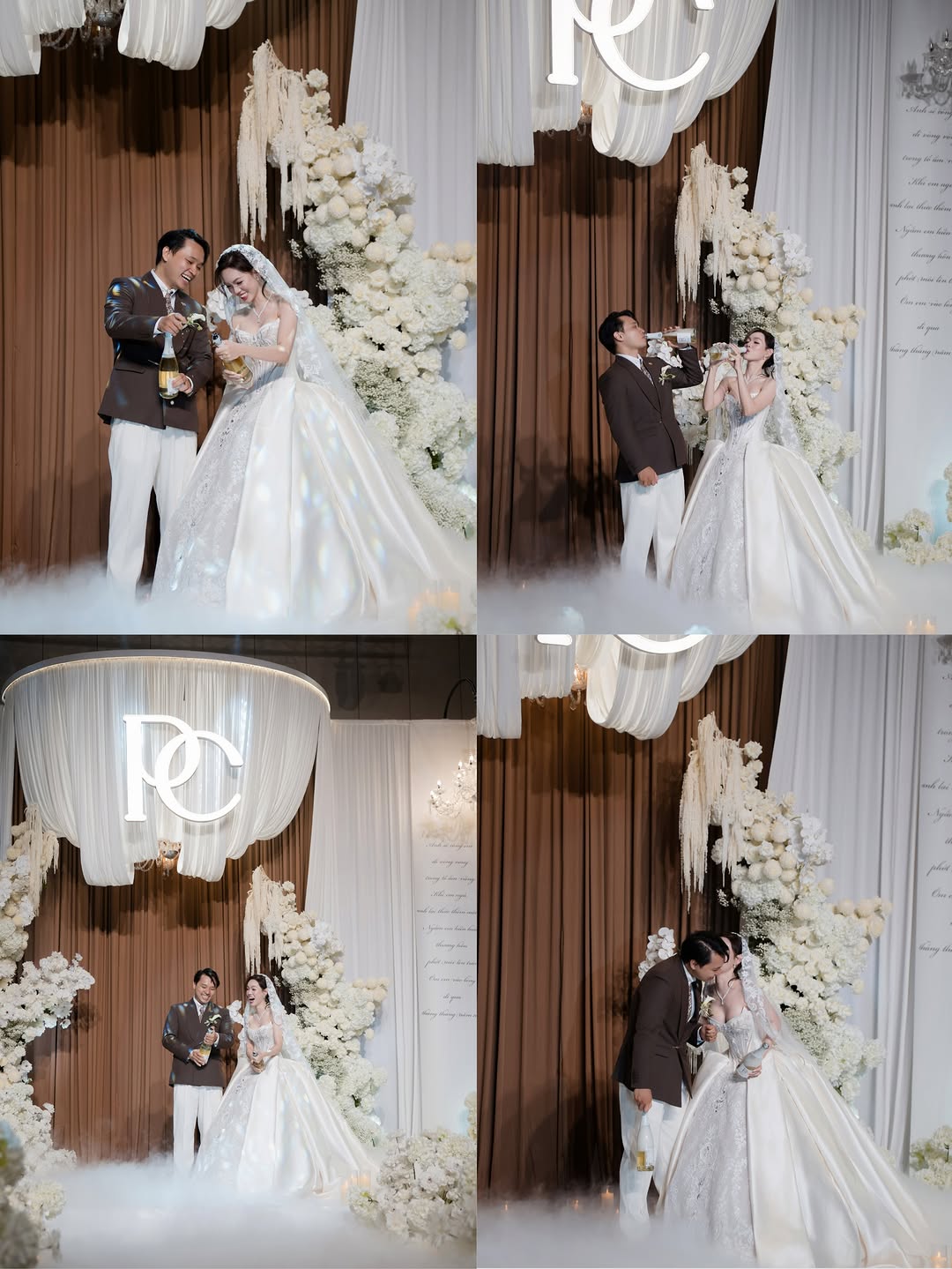
Elegant Traditional Style with Red, Gold, and Premium Fresh Flowers
Red and gold remain two colors rich in meaning in Vietnamese wedding culture. However, the 2026 trend favors more restrained applications: burgundy, muted crimson, champagne gold, or antique gold instead of covering the entire space with overly intense colors.
Roses, orchids, seasonal peonies, and other flowers with luxurious textures can be combined with greenery and traditional materials. When color proportions are carefully controlled, traditional ancestral altar decorations retain their festive atmosphere while achieving a more refined appearance suited to modern wedding photography.
Modern Elegant Style with an Ivory, White & Sage Green Color Palette
Ivory, White & Sage Green are suitable for families who appreciate a gentle and elegant aesthetic. This palette is also easy to coordinate with homes featuring bright interiors, garden villas, or spaces with extensive natural wood elements.
The key is to ensure that a modern color palette does not make the ancestral altar area feel cold or resemble an event backdrop. The Pine often incorporates wood tones, warm lighting, and naturally soft floral arrangements to preserve the welcoming atmosphere of a family ceremony.
Personalized Fine Art Style: Transforming the Ancestral Altar Space into a One-of-a-Kind Love Story
Fine Art is not about using as many flowers or expensive materials as possible. Its value comes from proportions, color palettes, textures, and the way individual details connect to tell a cohesive story.
A couple who loves Da Lat might choose flowers and green tones reminiscent of the highland gardens. A family living in a multigenerational home might preserve the traditional wooden background while introducing flowers in a new arrangement. Thoughtful personalization gives the space a distinctive identity while respecting family values.
The Pine Wedding Planner's Ancestral Altar Decoration Process: From Initial Ideas to the Wedding Day
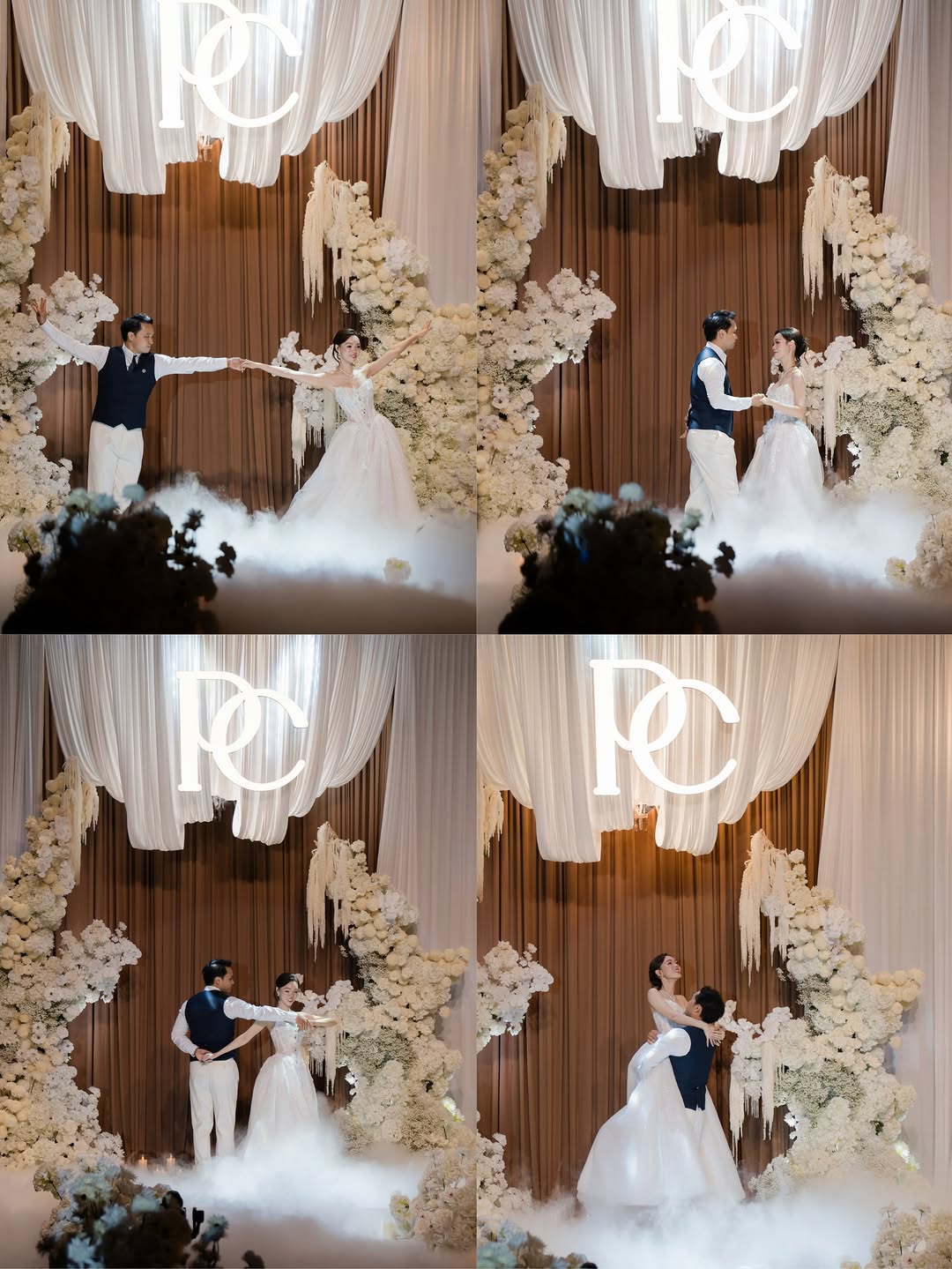
Step 1: Concept Consultation, Venue Assessment, and Development of a Personalized Wedding Moodboard
The Pine begins by learning about the desired style, family traditions, number of guests, characteristics of the home, and estimated budget. For involving ancestral altar design and decoration, an on-site assessment is particularly important because dimensions shown in photographs rarely reflect the actual walkways, lighting conditions, and installation limitations.
After the site assessment, a moodboard is developed to establish the color palette, signature flowers, materials, entrance design, backdrop, two families' ceremony table, and related details. This allows the couple to visualize the overall arrangement before proceeding with detailed design.
Step 2: Detailed Design, Budget Estimation, and Transparent Cost Control
Once the concept has been approved, each element is itemized to determine the scope of work. This step helps families understand how their budget is allocated and which elements deserve priority.
Rather than reducing the quality of every element to meet a budget figure, a more effective approach is to identify the elements with the greatest visual impact. If the budget is limited, fresh flowers can be prioritized for the ancestral altar and main entrance, while suitable reusable materials can be used in secondary areas. This approach helps control costs while maintaining a polished overall appearance.
Step 3: Decoration Installation, Fresh Flower Arrangements, and Final Details Before Guest Arrival
The installation schedule must be planned backward from the ceremony start time. Structural elements can be prepared in advance, while fresh flowers should be handled closer to the event to maintain their best condition.
Before handover, the team must inspect the entire setup from the perspective of guests entering the home, the main photography angle, seating arrangements for both families, and the space reserved for the bride and groom to perform the ceremony. Small details such as electrical cables, frame supports, and installation materials must also be neatly handled before guests arrive.
Step 4: Ancestral Altar Ceremony Coordination, Collaboration Between Both Families, and Flexible Management of Unexpected Situations
Completing the decoration is not the final step. On the wedding day, schedules may change because the groom's family arrives early, traffic is delayed, weather conditions change, or a ceremony takes longer than expected. The coordinator must understand the rundown and work with representatives from both families to ensure the program runs smoothly.
This is also why The Pine views the ancestral altar space as part of the entire wedding experience. Design, installation, and event operations must work together so that families do not have to manage numerous tasks themselves during such an important occasion.
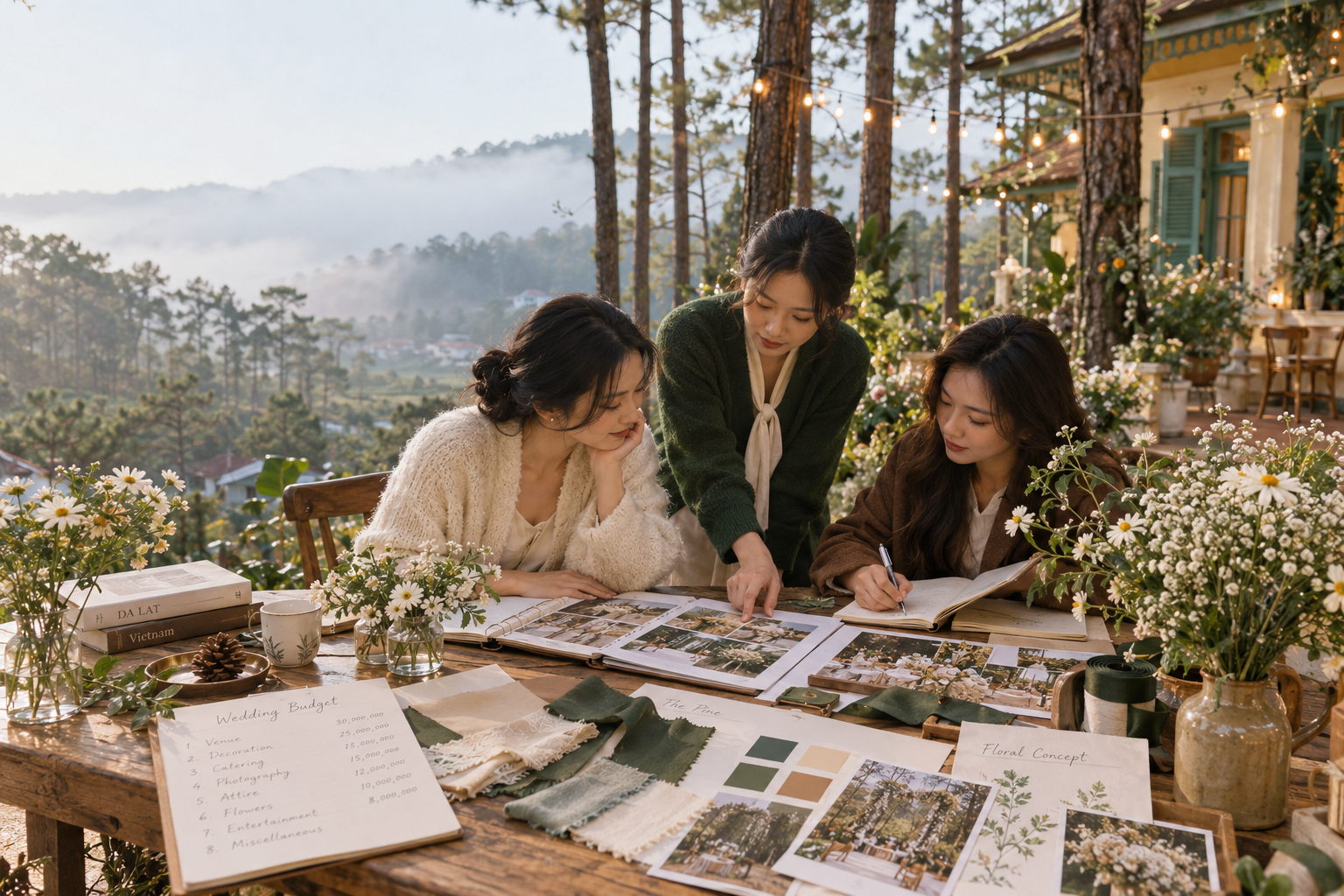
How Much Does Traditional Ancestral Altar Decoration Cost? How to Create a Budget Without Unexpected Expenses
Factors Affecting the Cost of Traditional Ancestral Altar Decoration with Fresh Flowers
There is no single price that suits every ancestral altar ceremony. Costs depend on the space, number of decorative elements, flower varieties, proportion of fresh flowers, structural complexity, installation time, geographical location, and staffing requirements.
Flowers, in particular, are subject to seasonal and supply fluctuations. A concept requiring a specific imported flower will have a different cost structure from an option that allows the florist to select flowers with similar colors and shapes. Therefore, families should communicate their budget clearly before approving the moodboard.
What Should a Decoration Budget Include? Flowers, Backdrops, Entrances, Ceremony Tables, and Staff
A traditional ancestral altar decoration estimate should itemize at least the following categories: flowers and foliage; backdrops or backdrop structures; ancestral altar floral entrance; altar area; seating and tables for both families; betrothal gift trays and accessories; transportation; florist staff; installation and dismantling personnel; and coordination services, if applicable.
In addition to the cost of each item, families should clarify the scope of the quotation: whether transportation is included, whether there are additional charges for after-hours installation, which materials are rented and which can be retained, when dismantling will take place, and what circumstances may incur additional costs. A transparent quotation should help customers understand both what is provided and what falls outside the service scope.
How The Pine Wedding Planner Optimizes Wedding Budgets While Preserving a Luxurious Look
The principle of budget optimization is not to cut every element. The Pine prioritizes identifying the main focal points, then allocating the budget according to their impact on the experience and overall appearance. The altar, main backdrop, and entrance usually deserve higher priority than decorative corners that play a smaller role in the ceremony.
Using seasonal flowers, selecting reusable structures, and combining signature flowers with suitable foliage can also make the budget more efficient. Actual savings depend on the concept, flower season, and existing venue conditions. Therefore, all cost optimization targets should be confirmed after the site assessment and detailed itemization.
Practical Ancestral Altar Decoration Tips: Important Considerations for Homeowners
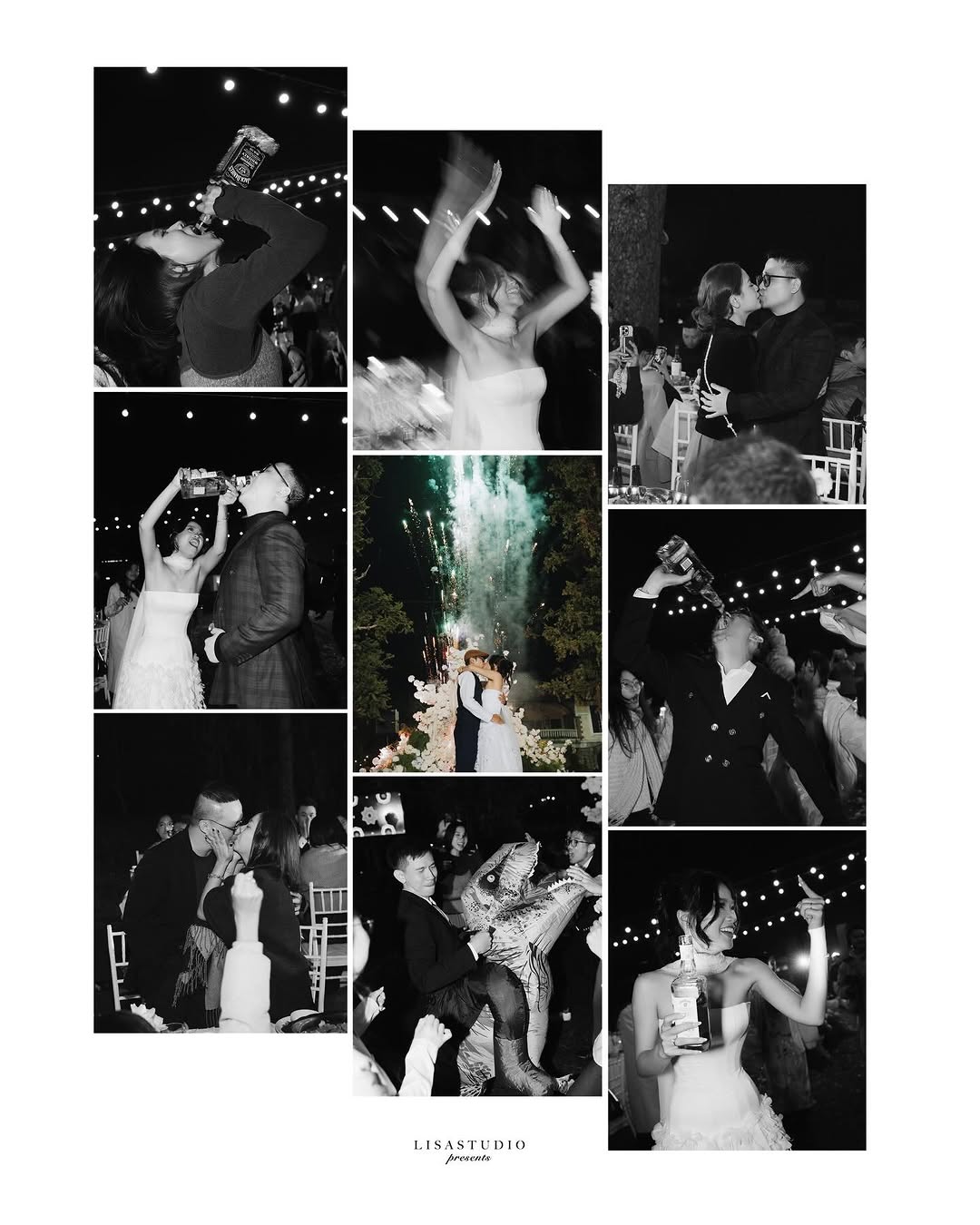
Choosing Fresh Flowers for Townhouses, Villas, Apartments, and Different Regional Climates
Townhouses often have narrow frontages and considerable depth, so flowers should be arranged vertically and around focal points rather than spread too widely. Villas offer more space but require careful proportion control to ensure that floral arrangements do not look too small compared with the architecture. For apartments, transportation regulations, elevator access, and installation schedules must be checked in advance.
Climate also directly affects flower selection. For events in Da Lat, humidity, rain, and temperature fluctuations must be considered. In Ho Chi Minh City, high temperatures and sunlight are important concerns. Flowers suited to actual venue conditions generally maintain their appearance better than insisting on a particular variety simply because it appears in reference images.
What to Prepare for the Bridal Procession and Ancestral Altar Ceremony at Home
For For the bridal procession decoration, families should agree in advance on the groom's family arrival time, number of attendees, parking arrangements, the route for carrying betrothal gift trays, the gift presentation area, seating for both families, and photography areas.
Unnecessary household items should be moved away from the main area before installation day. If drilling, hanging, or structural installation is required, the surfaces that can be modified must be clearly identified. For rental homes or apartments, building management regulations should be checked beforehand to avoid situations where the installation team arrives but cannot proceed as planned.
Contingency Plans for Changing Weather or Limited Installation Space
A professional decoration plan always requires a Plan B. If the floral entrance is outdoors, an alternative solution must be prepared for rain or strong winds. If the home courtyard must serve both as a reception area and parking space, the timeline should clearly specify when its function will change.
For Da Lat, knowledge of the local terrain and climate is particularly important when decorative elements are installed outdoors. Canopy arrangements, flower relocation routes, equipment protection, and procedures for responding to changing weather should all be agreed upon before the wedding day rather than waiting for problems to arise.
The Pine Wedding Planner – Bespoke Ancestral Altar Decoration Services for an Emotionally Fulfilling Wedding Celebration
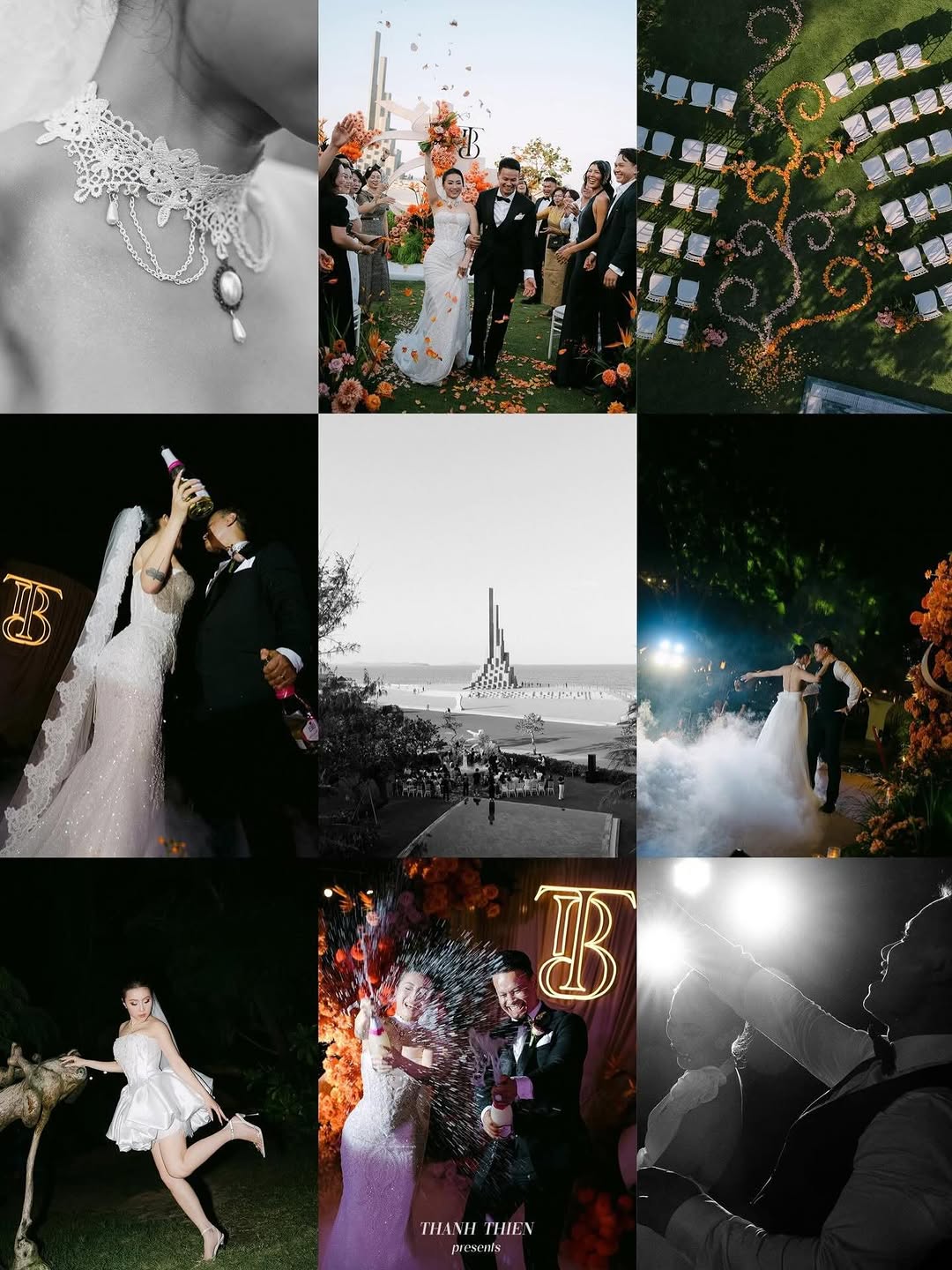
Every Ancestral Altar Space Is a Work of Art That Tells Your Unique Love Story
The Pine does not view ancestral altar decoration as a standard collection of entrances, backdrops, and flowers to be applied identically to every family. Every home has its own architecture, every family has its own traditions, and every couple has a unique story. Therefore, the design must begin with the people and their actual surroundings.
From a cozy townhouse in Ho Chi Minh City to a home surrounded by the cool atmosphere of Da Lat, the goal remains the same: to create a space that is beautiful enough to capture in photographs but, more importantly, sufficiently dignified for families to experience the true meaning of their wedding day.
A Dedicated Team Supporting You from Design and Decoration to Coordination, So Your Family Can Fully Enjoy the Celebration
An ancestral altar ceremony involves more tasks than those visible in photographs: site assessment, design, flower ordering, transportation, installation, on-site inspections, vendor coordination, and timeline management. When these tasks are managed consistently, the bride, groom, and their families can focus on the ceremony and their loved ones.
This is also the value of an integrated process from consultation to coordination: minimizing situations where multiple parties handle separate tasks without anyone taking responsibility for the overall experience, while ensuring that last-minute changes are addressed quickly and consistently.
Premium Traditional Ancestral Altar Decoration Services in Da Lat and Ho Chi Minh City, with Attention to Every Detail
With The Pine Wedding Planner, traditional ancestral altar decoration is about balancing ceremonial traditions, aesthetics, and each family's unique story. From the wedding ancestral altar backdrop, floral entrances, and the two families' ceremony table to every small floral arrangement, each detail must have a reason to be there and contribute to a cohesive overall design.
A wedding day may last only a few hours, but the memory of two people standing before their families and ancestors to begin a new journey together will remain for a long time.
If you are preparing for an engagement ceremony, wedding ceremony, or looking for a traditional ancestral altar decoration solution in Da Lat or Ho Chi Minh City, The Pine Wedding Planner can support you from venue assessment and concept development to budgeting, installation, and coordination. Share your venue details, preferred style, and estimated budget with The Pine so the team can recommend a suitable, transparent, and thoughtfully refined solution for your wedding day.
