

A wedding does not need hundreds of guests to become the most memorable day of your life. More and more couples are choosing to organize a micro wedding to spend meaningful time with the people who matter most, invest more deeply in the experience, and make their wedding day truly reflect their own story. However, a smaller scale does not necessarily mean simpler planning. From the budget, guest list, venue, and spatial design to the schedule and contingency plans, every decision requires careful consideration to ensure that an intimate wedding remains elegant, emotional, and complete.
What Is a Micro Wedding? Understanding the Essence of an Intimate Wedding with Fewer Than 100 Guests
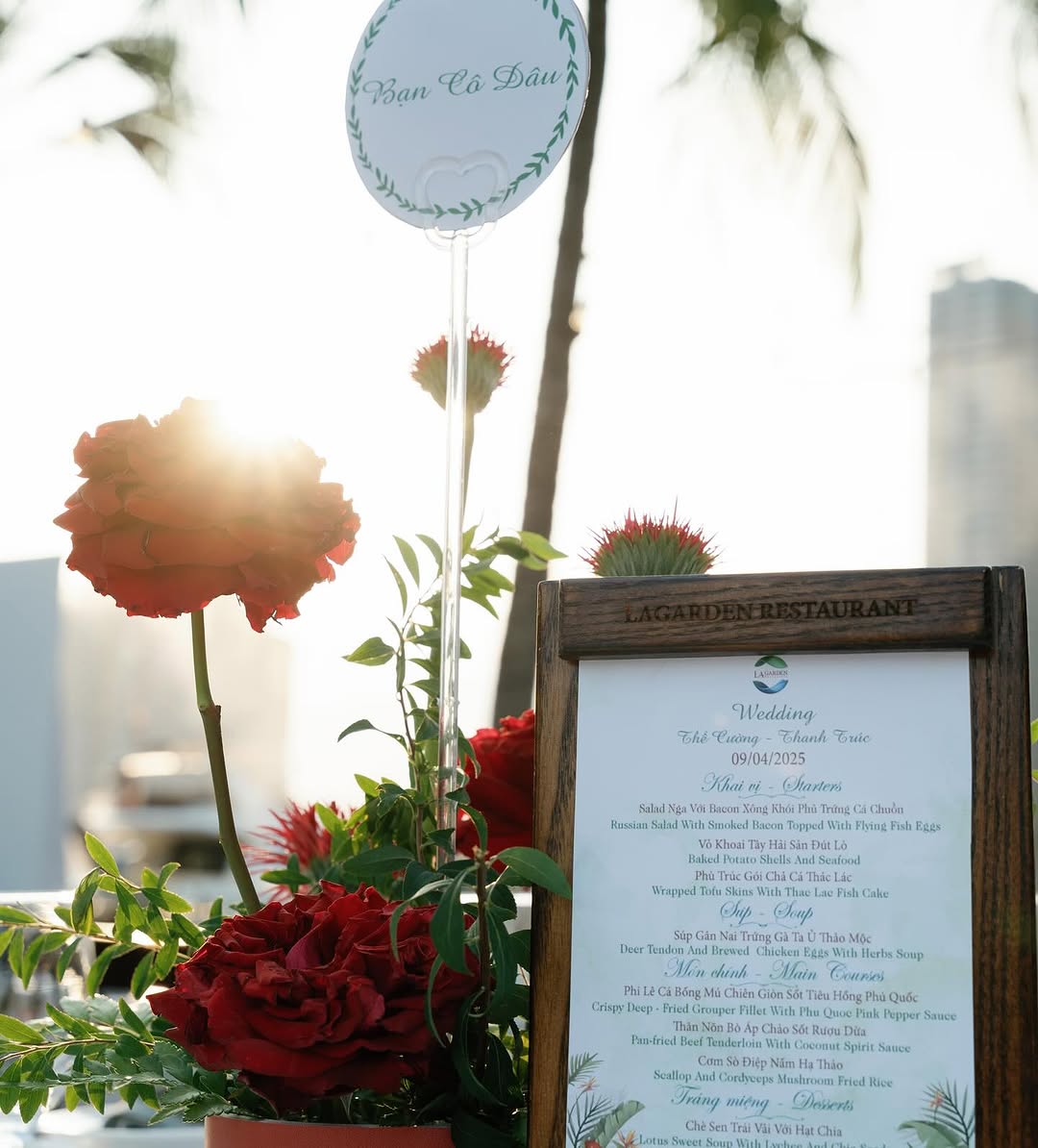
When planning a micro wedding, the term Micro Wedding generally refers to a small-scale wedding ceremony or reception, typically involving 20–100 guests. Its defining feature is not simply reducing the number of banquet tables, but rather the couple's deliberate decision to narrow their guest list to create a more personalized experience throughout the entire celebration.
During consultations, The Pine always encourages couples to begin with one question: What do you want to remember most when looking back on your wedding day 10 or 20 years from now? If the answer involves intimate conversations, a meaningful ceremony, dinner among loved ones, or a setting that genuinely reflects both personalities, a Micro Wedding is often a worthwhile option to consider.
Micro Wedding, Mini Wedding, and Elopement: Differences in Scale, Experience, and Planning
Micro Wedding, Mini Wedding, and Elopement are often mentioned together, but they are not entirely the same. A Micro Wedding retains most of the traditional wedding structure, including a ceremony, reception, rituals, music, photography, and guest hospitality, with the main difference being its more streamlined scale.
Mini Wedding is a broader term, generally describing a small wedding that does not necessarily involve a high level of personalization. Elopement, on the other hand, focuses almost entirely on the couple, sometimes involving only the two partners and a photographer or a few close witnesses.
Therefore, if a couple still wants their close family and friends to be present but does not want to host a wedding reception with hundreds of guests, to organize a micro wedding often provides a practical balance between ceremony, privacy, and the overall experience.
Why Does a Wedding with Fewer Guests Not Mean Compromising on the Experience?
One of the most common misconceptions is that a wedding with fewer guests must be minimalist in every respect. In reality, many couples choose to reduce their guest count to increase investment in each individual experience: more beautiful table settings, better menus, more abundant fresh flowers, carefully selected music, or a special venue.
For example, instead of serving 300 guests with a generic concept, an intimate wedding reception for 50 guests could feature a long banquet table, personalized stationery bearing each guest's name, a bespoke menu, thank-you gifts, and a cozy conversation area. In this case, the value of the wedding lies not in its scale but in the depth of the experience.
When Is a Micro Wedding the Right Choice for the Couple and Both Families?
A Micro Wedding is suitable when you want a private wedding day, prioritize meaningful connections, and prefer not to spend most of your time greeting hundreds of guests. It is also worth considering for destination weddings, outdoor receptions, or distinctive venues with limited capacity.
However, family considerations must be approached realistically. In Vietnamese wedding culture, the guest list does not belong exclusively to the couple; it is also connected to the social relationships of both sets of parents. Therefore, before deciding on a small wedding, both families should clearly discuss their goals, preferred scale, and guest invitation guidelines to avoid conflicts as the wedding day approaches.
How Much Does It Cost to Organize a Micro Wedding? Budget Allocation for an Intimate Wedding Reception
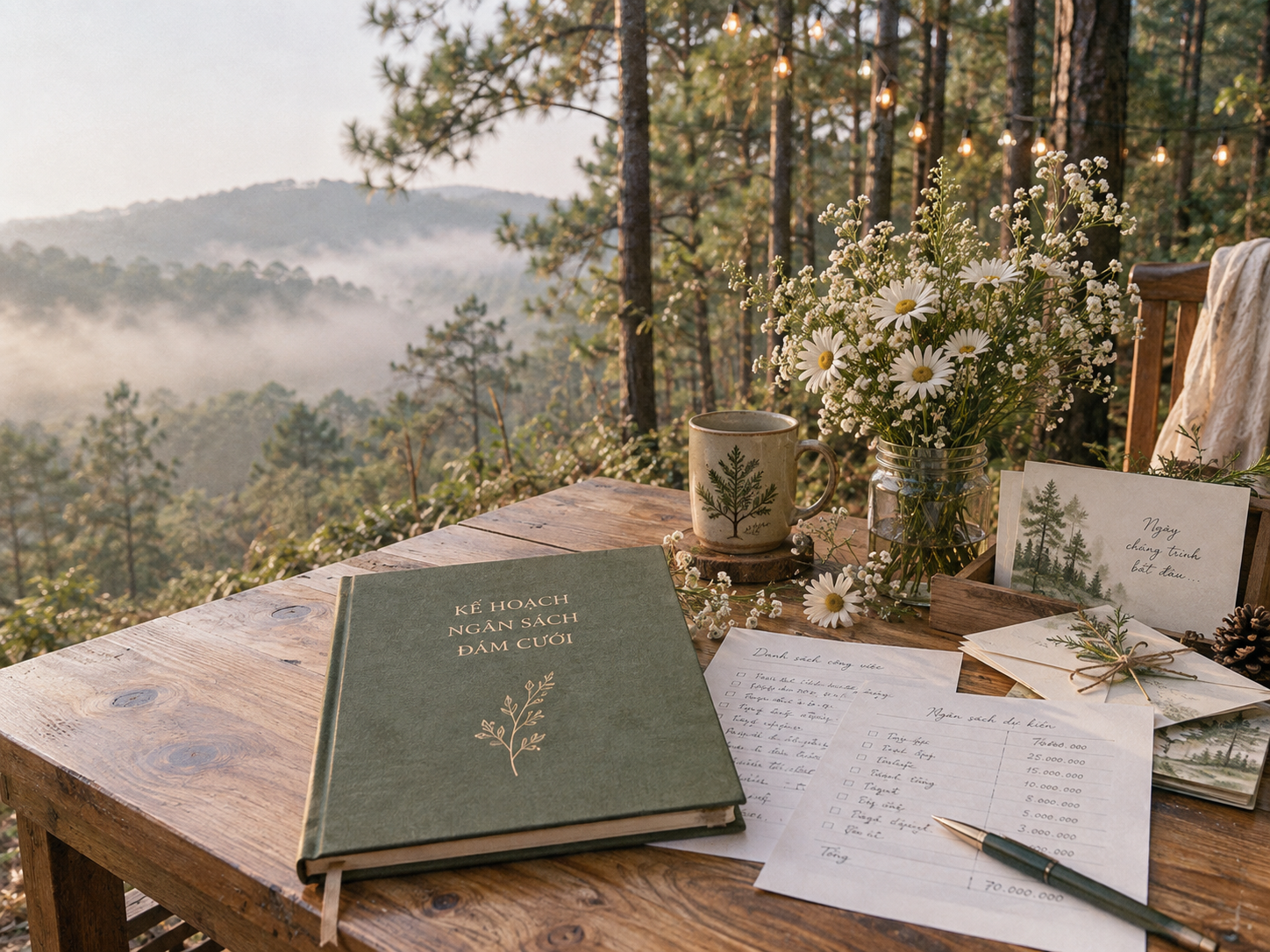
There is no fixed budget that applies to every Micro Wedding. A reception for 40 guests at a restaurant may cost considerably less than a reception for 40 guests in a pine forest, with a stage structure, lighting system, premium fresh flowers, and multiple items requiring transportation from a distance.
Rather than starting with the question, “How much does a Micro Wedding cost?”, The Pine usually advises couples to establish a maximum budget, identify their three highest-priority experiences, and determine which elements can remain flexible. This is the foundation of wedding budget management cost efficiency.
6 Main Expense Categories to Budget For: Venue, Decoration, Catering, Photography, Sound, and Coordination
When to organize a micro wedding, the budget should be divided into at least six main categories to avoid overlooking expenses.
- Venue: venue rental fees, setup time, additional space usage charges, utilities, and overtime fees, if applicable.
- Decoration: fresh flowers, tables and chairs, backdrops, ceremony setups, gallery tables, banquet tables, stationery, and decorative lighting systems.
- Catering: menus, beverages, wedding cakes, cocktails, or additional food and beverage experiences.
- Photography: photographers, videographers, pre-wedding photography if needed, and transportation and accommodation expenses.
- Sound: speakers, microphones, mixers, live bands, or DJs depending on the program.
- Coordination: personnel responsible for managing the rundown, vendors, ceremony, guests, and unexpected situations on the wedding day.
In addition to these six categories, destination weddings should also account for transportation, accommodation, technical staff, and weather contingency expenses.
Why Doesn't a Smaller Guest List Always Mean Lower Costs? Prioritizing the Budget Around the Experience
Expenses such as backdrops, stages, sound systems, lighting, photography, and venue rental are often nearly fixed, whether the reception has 40 or 80 guests. Therefore, reducing the guest count does not necessarily reduce the total cost by the same proportion.
On the contrary, a Micro Wedding gives couples the opportunity to reallocate their budget. If catering and décor are the two biggest priorities, they can reduce unnecessary performance elements and focus on flowers, lighting, and the dining experience. If the most important thing you want to preserve is the emotion of the day, photography and videography can receive a higher budget priority.
The Pine's principle is not to ask, “Which item is the most expensive?” but rather, “Which elements create the greatest value for the experience you want to remember?”.
Budget Plan Checklist: Establish Your Maximum Budget and Contingency Fund from the Start
A good Budget Plan should be prepared before signing too many vendor contracts. Based on its experience wedding budget management, The Pine generally recommends that couples clearly establish their maximum budget, estimated expenses, confirmed costs, payment schedules, and a contingency fund for reasonable unexpected expenses.
- Determine the maximum total budget that you and your families are willing to spend.
- Choose the three highest-priority categories.
- Allocate a preliminary budget to each expense category.
- Do not use up 100% of your budget during the initial booking stage.
- Create a list of potential additional expenses, such as transportation, overtime, extra personnel, or weather-related changes.
- Update the Budget Plan after each contract signing or concept adjustment.
The goal is not to eliminate every expense, but to keep the entire plan within manageable limits and help the couple understand exactly where their money is being allocated.
How to Create a Guest List for an Intimate Wedding Without Leaving Anyone Important Out
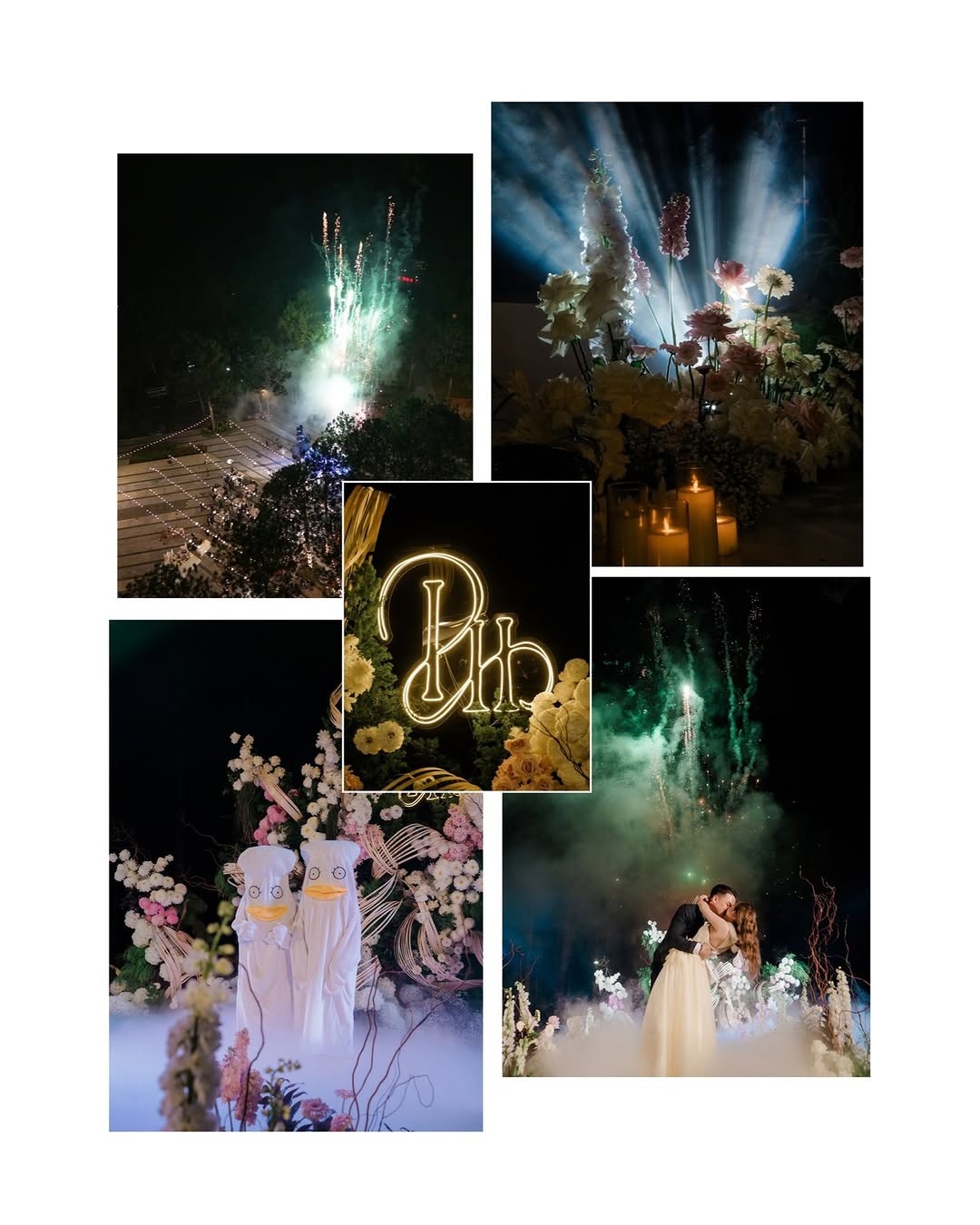
The guest list is one of the most challenging aspects of organizing an intimate wedding. For a 50-person reception, adding just 15–20 guests can change the venue requirements, layout, catering budget, and even the overall nature of the event.
Guest Selection Principles: The People Who Truly Belong in Your Love Story
A practical approach is to divide the guest list into relationship groups. The first group includes parents, siblings, and people who absolutely must be present. The second group includes friends or relatives who have genuinely close relationships with the couple. The third group consists of social acquaintances or guests being considered primarily out of courtesy.
When the guest count is limited, prioritize the first two groups. A useful question to ask is: If this person were absent on your wedding day, would you genuinely feel that an important part of your story was missing?
Balancing the Couple's Wishes with the Expectations of Both Families
This is often the most sensitive aspect of the experience of organizing an intimate wedding. Instead of announcing a predetermined guest count, couples should discuss their reasons for choosing a Micro Wedding with their parents early on: limited space, the desire to spend time with each guest, budget considerations, or a particular vision for the experience.
Another option is to separate the celebrations: the traditional family ceremony and rituals can still be organized in full, while the reception or destination wedding remains smaller. This approach can help balance tradition with personal preferences.
Designing an Experience Where Every Guest Feels Connected and Cared For
When there are only 30–80 guests, every individual becomes a clearly recognizable part of the celebration. This creates an opportunity for more personalized hospitality: welcome notes, name cards, thoughtfully arranged seating plans, thank-you gifts, or a small personal message from the couple.
The layout should also encourage guests to connect with one another. Instead of dividing the reception into multiple separate table clusters, a long banquet table or several smaller tables arranged close together can create a warmer atmosphere, depending on the venue's layout.
The Practical Micro Wedding Planning Process: From the Initial Idea to the Wedding Day
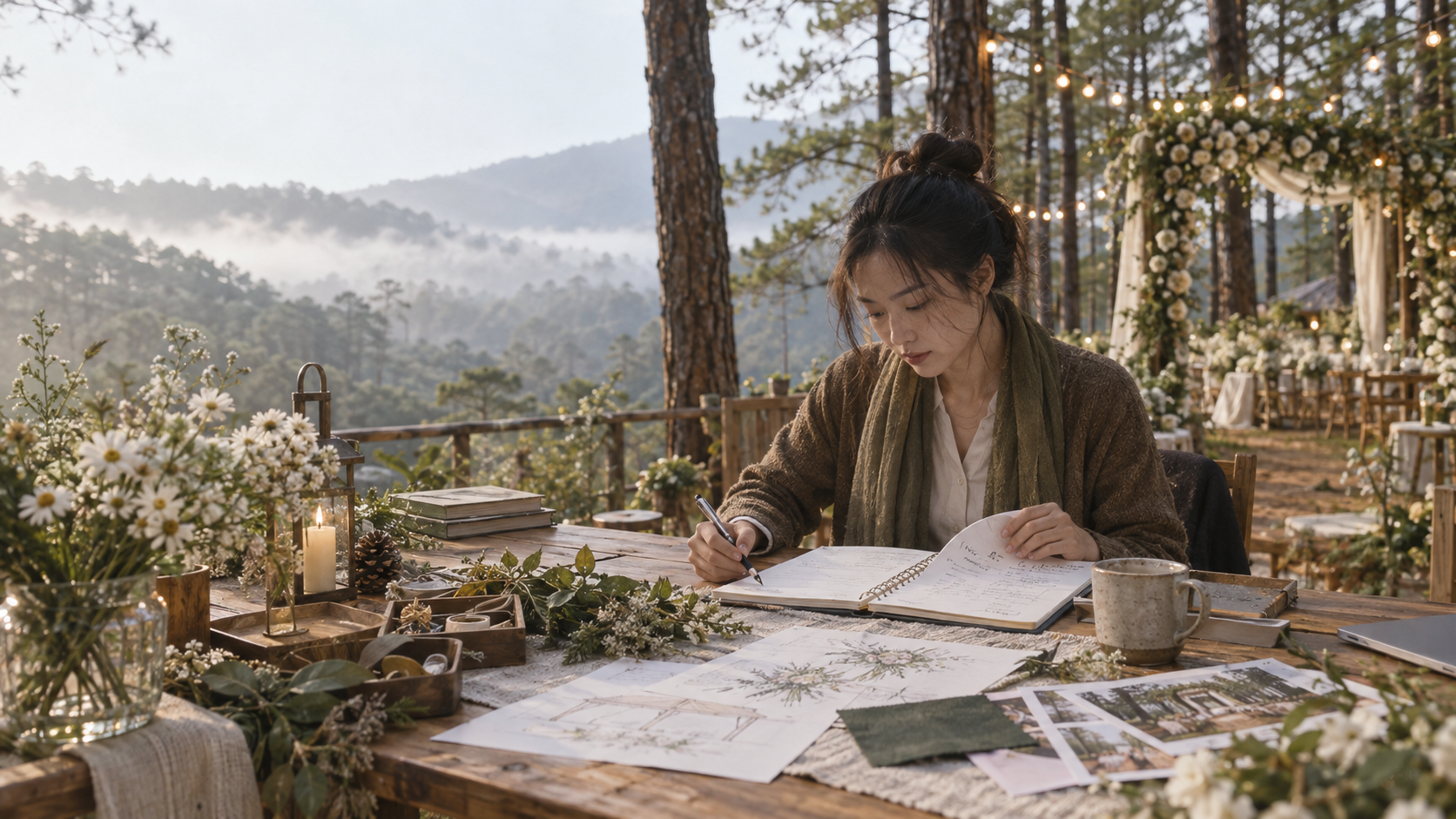
A successful Micro Wedding does not begin with choosing flower colors or searching for inspiration on Pinterest. The process should start with the couple's story, budget, guest list, and desired experience, before translating these elements into a concept and a practical operating plan.
Step 1: Discovering Your Love Story and Developing an Exclusive Concept and Moodboard
The Pine usually begins with everyday details: where the couple first met, what they remember most about each other, a special trip, a familiar color, or a shared interest. These details become the foundation for a concept that is not only beautiful but also meaningful.
The moodboard then defines the color palette, materials, floral style, typography, lighting, table settings, and overall atmosphere. A good concept should be clear enough for all vendors to share the same vision without turning the wedding into a replica of reference images.
Step 2: Choosing the Venue, Creating the Layout, and Designing the Space Based on Guest Capacity
The venue should be selected alongside practical functionality requirements. A beautiful outdoor area for photography may not necessarily be suitable for an 80-person ceremony if it lacks walking paths, service areas, electrical outlets, or rain protection.
The layout should clearly define the ceremony area, reception area, gallery table, sound equipment, technical zone, guest circulation routes, and staff service routes. Particularly for to organize a micro wedding outdoor weddings, the distance between different areas directly affects the flow of the program.
Step 3: Selecting Vendors with a Consistent Style and Managing the Budget
Vendors should not be selected individually based solely on price. The photographer, decorator, makeup artist, sound team, and venue should all share a common understanding of the desired aesthetics and guest experience.
For example, a gentle Fine Art reception in a pine forest requires a different approach to photography, flowers, lighting, and music than a contemporary evening reception in a ballroom. The planner's role is to help all parties work together as one coordinated system rather than allowing each vendor to create a different version of the wedding day.
Step 4: Creating the Rundown, Conducting Final Rehearsals, and Coordinating the Entire Wedding Day Experience
A rundown is more than a list of what time guests arrive and when the ceremony begins. An effective operational rundown must specify vendor setup times, soundchecks, makeup, photography, family movements, guest arrivals, the ceremony, dinner, speeches, the first dance, and the event's closing time.
The coordination team must know who is responsible for each transition. Those seemingly insignificant 5–10-minute intervals between activities often determine whether a program feels natural or disjointed.
Tips for Choosing an Intimate Wedding Venue: From Gardens to the Da Lat Pine Forest
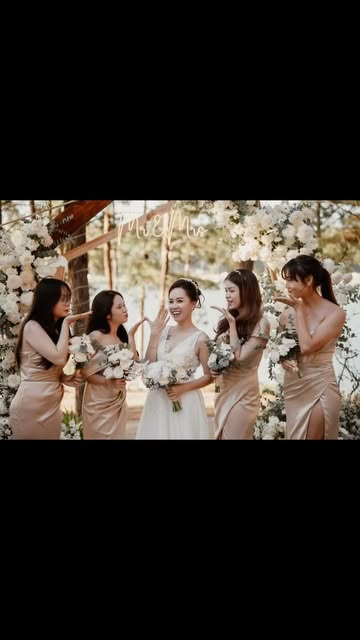
The venue is particularly important for a Micro Wedding because the setting itself creates the sense of intimacy. A villa, garden, resort, or pine forest clearing can become a naturally beautiful stage, but each option comes with different operational requirements.
Criteria for Choosing a Venue for Fewer Than 100 Guests: Privacy, Functionality, and Guest Flow
A venue should not be selected solely because it looks beautiful in photographs. Couples need to check the privacy of the space, guest capacity, restrooms, parking, service areas, power supply, noise restrictions, permitted setup hours, and event closing time.
For intimate wedding reception, the simpler the guest flow, the better. Guests should easily understand where to check in, where the ceremony takes place, when to move to the reception area, and where the exit is without constantly needing to ask staff.
Outdoor Micro Weddings in Da Lat: Assessing the Terrain, Lighting, Temperature, and Weather Protection
Da Lat climate is a factor that must be considered from the moment the venue is selected, not just a few days before the wedding. Temperatures can drop quickly in the late afternoon, mist may appear, rain can arrive unexpectedly, and the ground can become difficult to walk on after rainfall.
A site inspection should assess the actual terrain, sunlight direction during the ceremony, vehicle access for transportation, the ground surface for tables, chairs, and equipment, electrical supply locations, and the distance to the contingency venue.
Especially in pine forests and gardens, natural lighting changes very quickly. A ceremony starting 30 minutes late can sometimes completely change the photography conditions and require the team to use additional artificial lighting.
Plan B for Outdoor Weddings: Essential Contingency Arrangements to Finalize Before the Event
Plan B should not be understood simply as preparing a few umbrellas. A complete contingency plan must answer the following questions: If it rains, where will the ceremony move? Can the banquet tables be relocated? How long will the transition take? Who makes the decision? What is the final deadline for activating the backup plan?.
- Identify an indoor or covered space that can accommodate the entire guest list.
- Check whether a marquee or canopy can be installed if permitted by the venue.
- Determine the backup layout in advance instead of designing it on-site when rain occurs.
- Prepare solutions to protect sound equipment, lighting, and electrical systems.
- Clearly designate the person authorized to activate Plan B.
- Inform the venue, decorator, catering team, photographer, and coordination team about the contingency procedures in advance.
The Pine's practical experience in Da Lat shows that a good Plan B does not diminish the beauty of a wedding. On the contrary, it helps the entire team remain calm and protects the guest experience when the weather changes.
How to Make a Micro Wedding Truly Memorable: Personalizing the Space and Emotional Journey
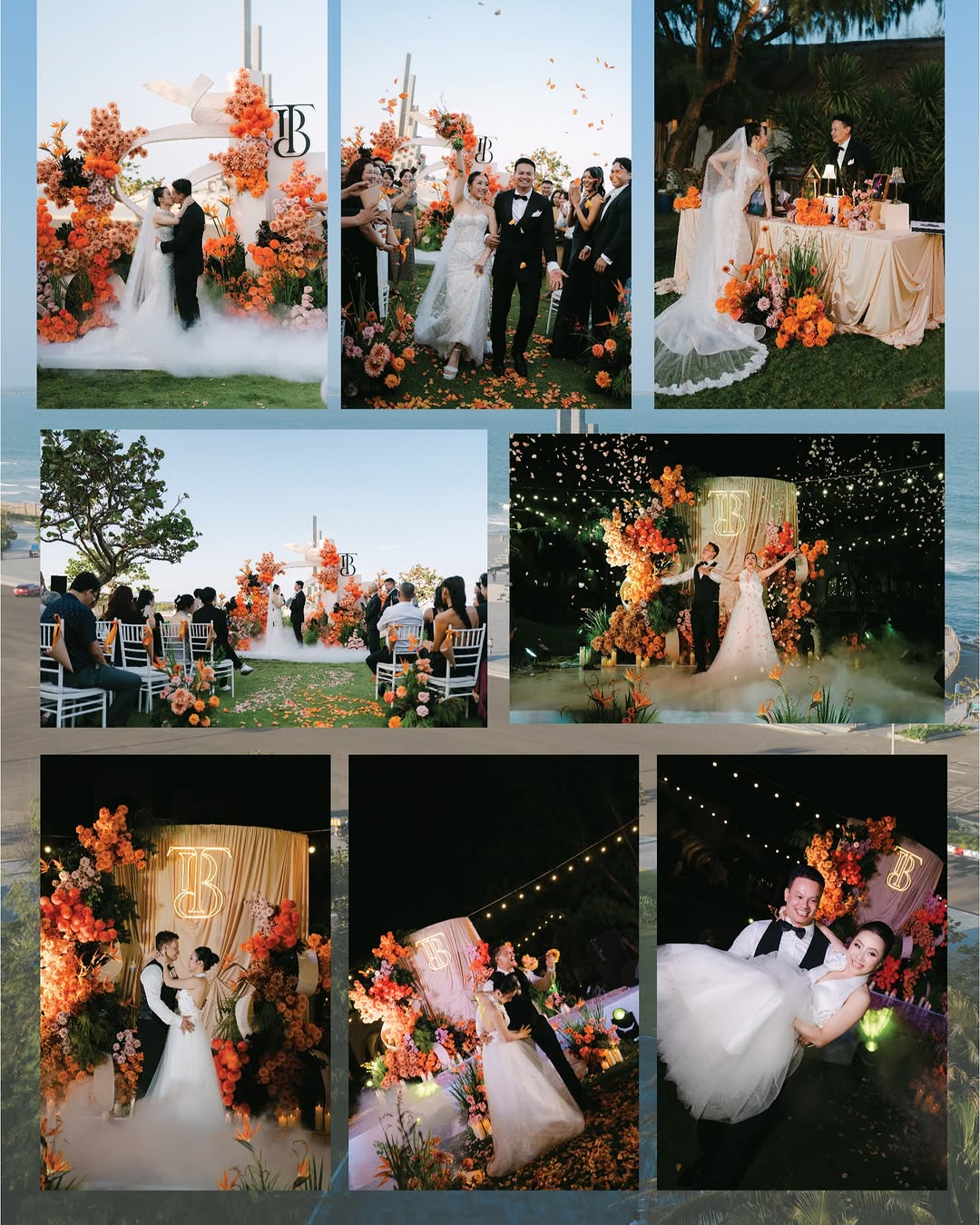
A small wedding has an advantage that large weddings find difficult to achieve: the ability to personalize almost every touchpoint. However, personalization does not mean putting the couple's names on every item. Its true value lies in subtly incorporating their story into the setting, rituals, and the way guests experience the wedding day.
Personalized Décor: Transforming Your Personal Story into the Materials of a Wedding Artwork
A destination the couple once visited, a meaningful flower, a letter, a song, or a family memory can all become sources of design inspiration. The key is to transform these elements into an aesthetic language rather than displaying every memory directly.
For example, a story about traveling together could be represented through table names inspired by different cities, postcard-style stationery, or a small gallery area. A memory of the family's garden could inspire a palette of sage green, ivory, and naturally styled flowers.
Designing Ceremonies, Music, and Dining Experiences to Create Natural Moments of Connection
A Micro Wedding does not necessarily need to follow every familiar element of a traditional wedding ceremony. Couples can write their own vows, invite their parents to share a short story, or set aside time during dinner for everyone to talk instead of constantly moving from one performance to another.
For families who value tradition, ancestral altar ceremony can still be organized thoughtfully before the reception. Balancing family rituals with personal experiences allows the wedding day to reflect the couple's identity while maintaining the appropriate level of formality.
Music should also follow the emotional rhythm of the event. Gentle acoustic music during guest arrivals, a meaningful song for the ceremony, and a more upbeat playlist after dinner create a more natural emotional journey than playing the same style of music throughout the event.
Small Details That Make a Difference: Table Settings, Fresh Flowers, Guest Gifts, and Hospitality Experiences
With a smaller guest count, details that might otherwise seem insignificant become more noticeable. A beautifully printed menu, appropriately proportioned table flowers, carefully arranged napkins, or a personal message placed at each seat all contribute to making guests feel cared for.
Guest gifts do not necessarily have to be expensive. A small item associated with Da Lat, a photograph, a postcard, or a product connected to the couple's story often carries more emotional value than a generic gift.
Organizing a Complete Micro Wedding with The Pine Wedding Planner: A Small Wedding, A Big Story
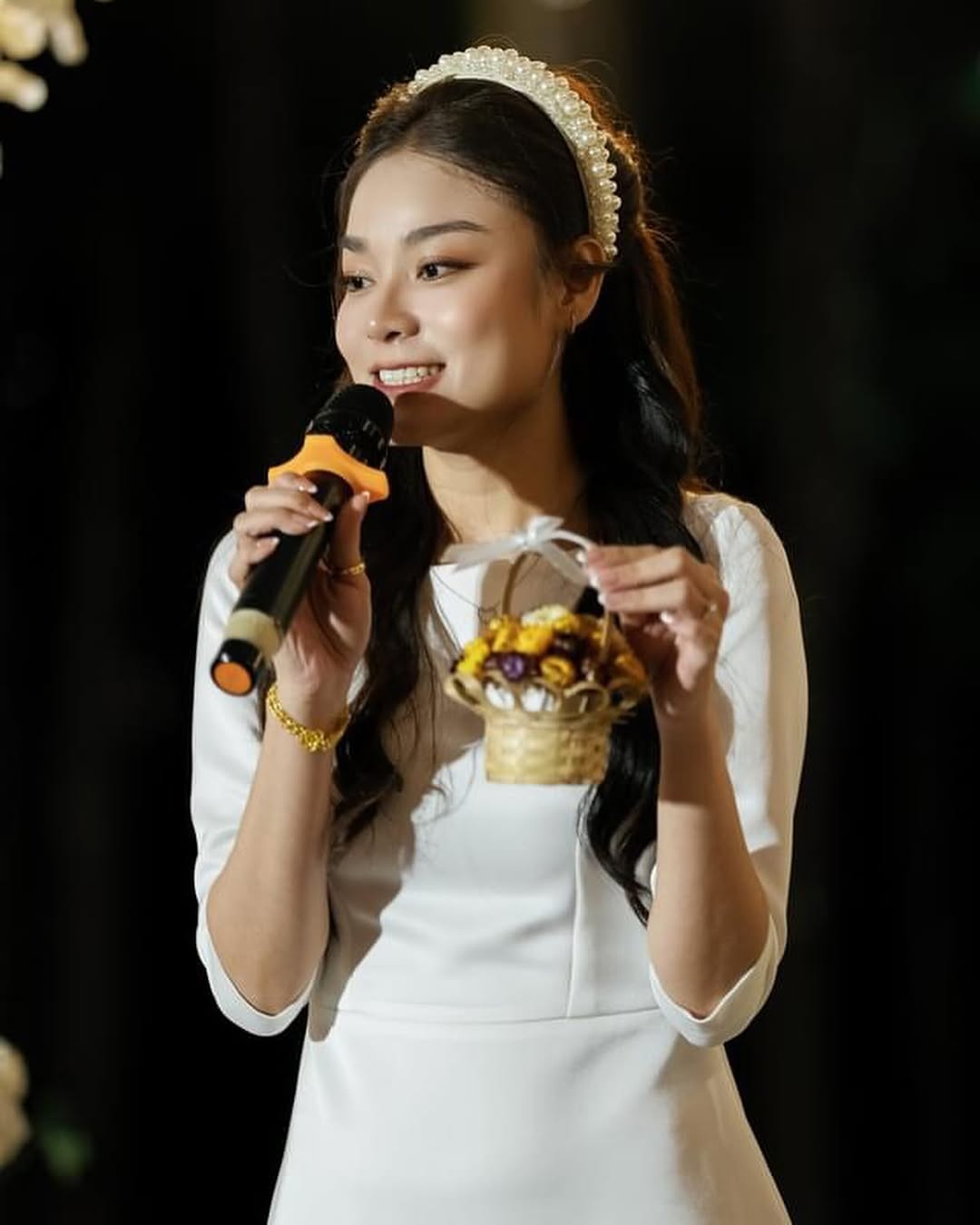
Behind a wedding that appears effortlessly natural are dozens of decisions made in advance. The Pine Wedding Planner approaches every project by first discovering the couple's story, then bringing together the concept, budget, vendors, venue, and operations into one cohesive experience.
Full-Service A-Z Wedding Planning: Tailored Concepts, Budget Management, and Comprehensive Coordination
With its Full-Service Wedding Planner package, The Pine accompanies couples from the earliest stages: understanding their wishes, designing the concept and moodboard, developing the Budget Plan, finding the venue, selecting vendors, managing the timeline, and coordinating the wedding day.
The important point is not that the planner makes every decision on behalf of the couple, but that both partners receive sufficient information to make the right choices, identify risks before they become problems, and keep the entire plan within a clear and organized system.
Day-of Coordination: A Solution for Couples Who Have Planned Everything but Need Someone to Manage the Wedding Day
Many couples have independently found their venue, photographer, and decorator, only to realize shortly before the wedding that nobody is actually responsible for connecting all the vendors. Day-of Coordination addresses precisely this gap.
The Pine takes over the existing plan, reviews the timeline, establishes communication channels with vendors, conducts a final on-site walkthrough, and coordinates the entire wedding day. As a result, the bride and groom do not have to act as both the main characters and the people answering phone calls about flower delivery times, table placements, or the band's soundcheck schedule.
Artistic Wedding Design & Decoration and Traditional Family Ceremonies: Consistency from the Space to the Rituals
The Pine's strength lies in designing wedding spaces with meaningful stories, particularly for outdoor receptions, gardens, and the Da Lat pine forests. From elegant Fine Art and Warm Amber & Ivory to White & Sage Green, each color palette is developed based on the venue, event date, and the couple's personality rather than relying on a fixed decoration template.
For traditional Vietnamese family ceremonies, the Le Hang Thuan Buddhist wedding ceremony, or marriage rituals, the design is carefully adjusted to ensure an appropriate level of formality and suitability for the family setting while maintaining consistency with the overall spirit of the wedding day.
From Da Lat to Ho Chi Minh City: The Pine Preserves Every Emotional Moment So Couples Can Fully Enjoy Their Wedding Day
In Da Lat, experience with venues, terrain, and Da Lat climate helps the team take a more proactive approach to developing layouts, timelines, and Plan B arrangements for outdoor receptions. In Ho Chi Minh City, the approach remains the same: every wedding must be designed around real people and their authentic stories rather than starting with a ready-made template.
If you are considering to organize a micro wedding, start with three questions: Who do we genuinely want to be present? Which experiences do we want to invest our budget in? And what emotions do we want to preserve after the wedding day? Once these three questions have clear answers, all the remaining decisions become much more consistent.
A small wedding is not simply a scaled-down version of a large wedding. When planned properly, it can become a more meaningful, intimate celebration with a stronger personal identity. The Pine Wedding Planner is ready to accompany you from the initial concept development stage, wedding budget management, vendor selection, and wedding-day coordination, allowing you and your families to be fully present in every moment instead of worrying about the work happening behind the scenes.
Share your story, expected guest count, and what matters most to you on your wedding day with The Pine. From there, our team will work with you to develop a solution that suits your budget, venue, and the emotions you wish to preserve.
