

Wedding vows usually last only a few minutes but are one of the moments that the bride, groom, and guests remember longest after the big day. The difficulty is not finding beautiful words, but telling the couple's story sincerely, with just enough privacy and in a way that suits the atmosphere of the ceremony. From writing wedding vows and arranging the ring exchange ceremony to developing the wedding ceremony script, this article will help you prepare each layer of emotion intentionally instead of letting the most important moment happen by chance.
What Are Wedding Vows? The Meaning of the Moment of Sharing Commitments on the Big Day
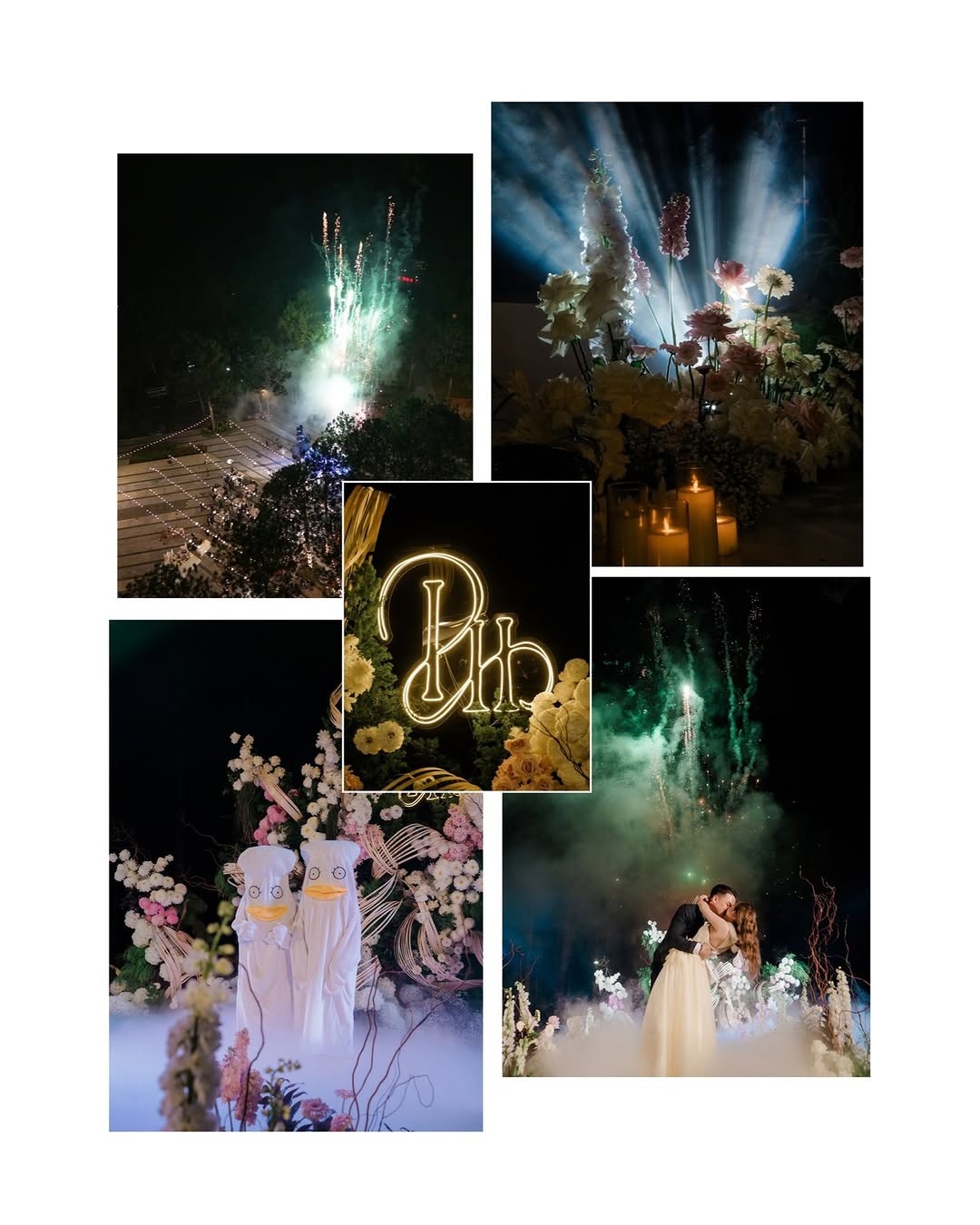
Wedding vows, or wedding vows, are the words the bride and groom say directly to each other during the wedding ceremony. They may recall the journey they have shared, express gratitude to their life partner, and state the commitments they want to preserve together throughout married life.
A good vow does not necessarily have to be long. Its value lies in how genuine it is and how well it represents the relationship. Some couples need only 90 seconds to say everything important; others may need about 3 minutes to tell a journey spanning many years. What matters is that the content is the voice of the two of you.
The Role of Wedding Vows in the Wedding Ceremony Script and Wedding Reception Program
In a wedding ceremony script modern, wedding vows are usually placed after the opening statement, introduction, or story lead-in and before or alongside the wedding ring exchange ceremony. This is a logical position because the emotion has already been built up but has not yet been interrupted by celebratory activities, toasts, or the transition to the reception.
With wedding reception program script includes many rituals, the planner needs to account for movement time, MC cues, background music, lighting, and the moments when the photographer and videographer are ready. If the timeline only states that vows will be read at 18:45 without designing the transitions, this moment can easily feel abrupt.
Why Wedding Vows Become an Emotional Touchpoint That Makes a Love Story Memorable
Decor creates visual impressions, music builds the atmosphere, but vows bring guests closest to the bride and groom's story. When someone recalls how they first met, a difficult period they overcame together, or a small habit of their partner, guests are not simply watching a ritual but understanding why these two people chose each other.
That is also why The Pine often regards wedding vows as an important emotional touchpoint when building wedding ceremony script. There is no need to turn the ceremony into a dramatic stage performance; simply create enough space for the real story to be told at the right moment.
The Difference Between Traditional Vows, Personal Vows, and Modern Wedding Ring Exchange Ceremonies
Traditional vows often use a formal structure and focus on the commitment to accompany one another through marriage. Personal vows are more flexible, allowing the bride and groom to include their story, personalities, and personal promises. Meanwhile, wedding ring exchange ceremony is a symbolic act that marks the commitment through the exchange of rings.
These three elements do not necessarily have to be separated. A good script can have the bride and groom read personal vows, transition to a short introduction by the MC or celebrant, and then perform the ring exchange ceremony. A logical connection helps the emotion continue seamlessly.
How to Write Moving Wedding Vows: Turning Your Love Story into a Lifelong Promise
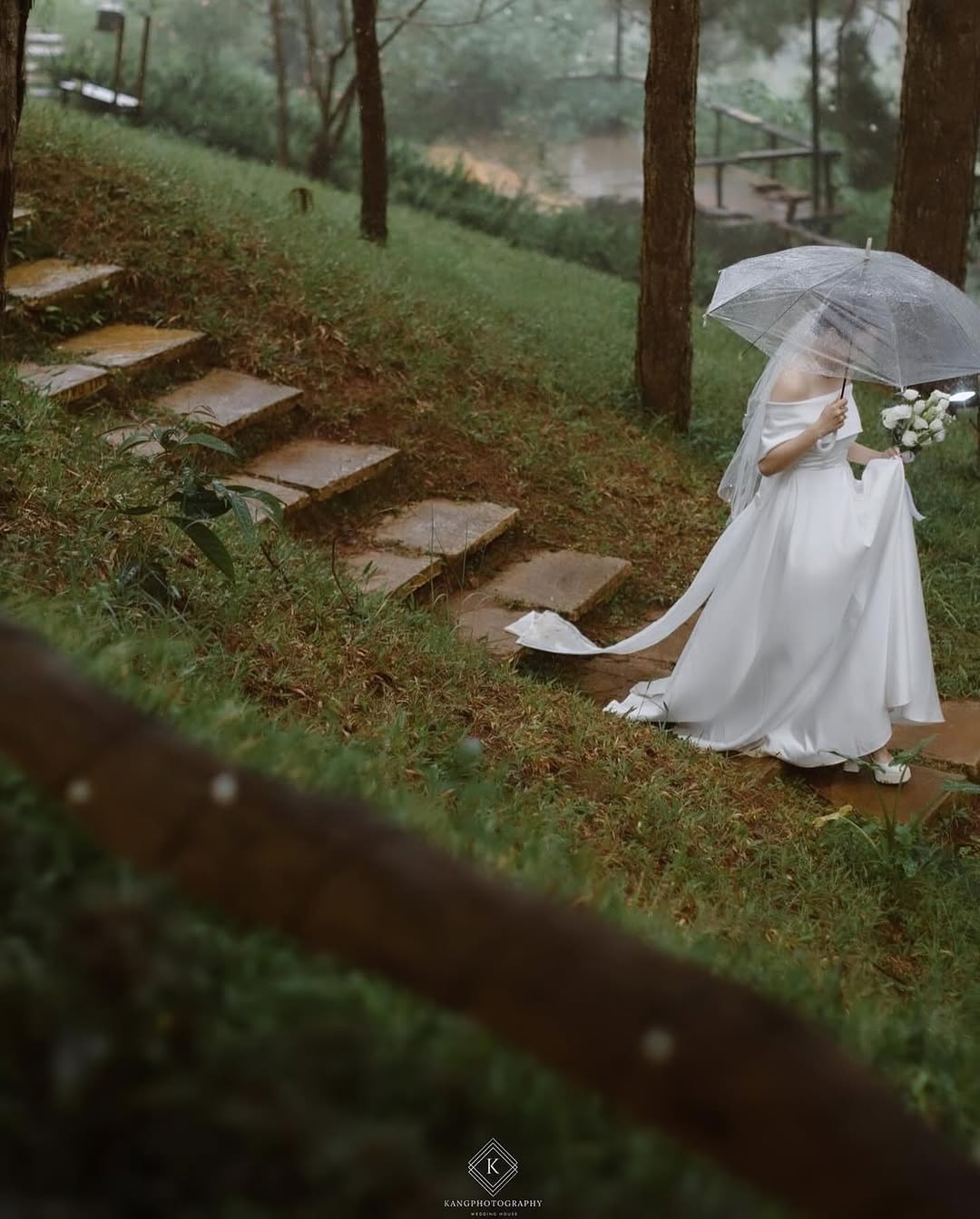
When writing wedding vows, do not start with the question, “how can I make this sound good?”. Start with, “what is it about this person that makes me certain I want to build a family with them?”. The answer is often much better material than ready-made wedding vow templates found online.
Start with Real Memories: How to Choose Stories That Represent Your Journey Together
List about 5–7 memories before you start writing: your first meeting, a memorable trip, a difficult time you went through together, the moment you realized this was the person you wanted to marry, or something very ordinary that made you feel loved.
Then choose only 1–2 representative memories. A real detail such as “the days when you always waited for me to finish work” often carries more weight than a long passage filled with adjectives such as perfect, wonderful, or destined.
Building a 3-Part Wedding Vow Structure: Memories – Emotions – Future Commitments
An easy structure to apply consists of three parts. The first part is a memory that helps listeners understand your journey together. The second part expresses what you appreciate about the other person and how the relationship has changed you. The final part contains specific commitments for your life together.
- Memory: Choose a real and sufficiently representative story.
- Emotion: Clearly express what you appreciate, love, or have learned from your life partner.
- Commitment: Make 3–5 practical promises, from major commitments such as facing difficulties together to very everyday things.
This structure helps wedding vows have a clear opening, depth, and ending without creating the feeling of reading a speech.
Adding Personal Touches While Keeping the Elegance Appropriate for the Wedding Atmosphere
A little humor can make vows feel more intimate, especially when it reflects something distinctive about the relationship. However, avoid private stories that could embarrass the other person, references to old conflicts or ex-partners, or jokes that most guests cannot understand.
The principle The Pine often recommends is: personal but not revealing, sincere but not overdramatic, emotional but not deliberately designed to make listeners cry.
Checklist for Practicing and Adjusting Vow Length to Preserve Emotion When Reading in Front of Guests
For most programs, around 2–3 minutes per person is an easy length to control. Read aloud instead of checking only on paper, because a passage that seems short can become significantly longer when you pause because of emotion.
- Read through it at least 2–3 times before the wedding day.
- Use a timer to control the duration.
- Print or write the vows on an easy-to-hold card instead of reading from a phone.
- Mark the points where you need to pause, look at your partner, or regain your rhythm.
- Prepare a copy for the planner or coordinator.
- Do not try to memorize the entire vow if doing so increases pressure.
Wedding Ceremony Script and Wedding Reception Program: Arranging Rituals So Emotion Leads the Way
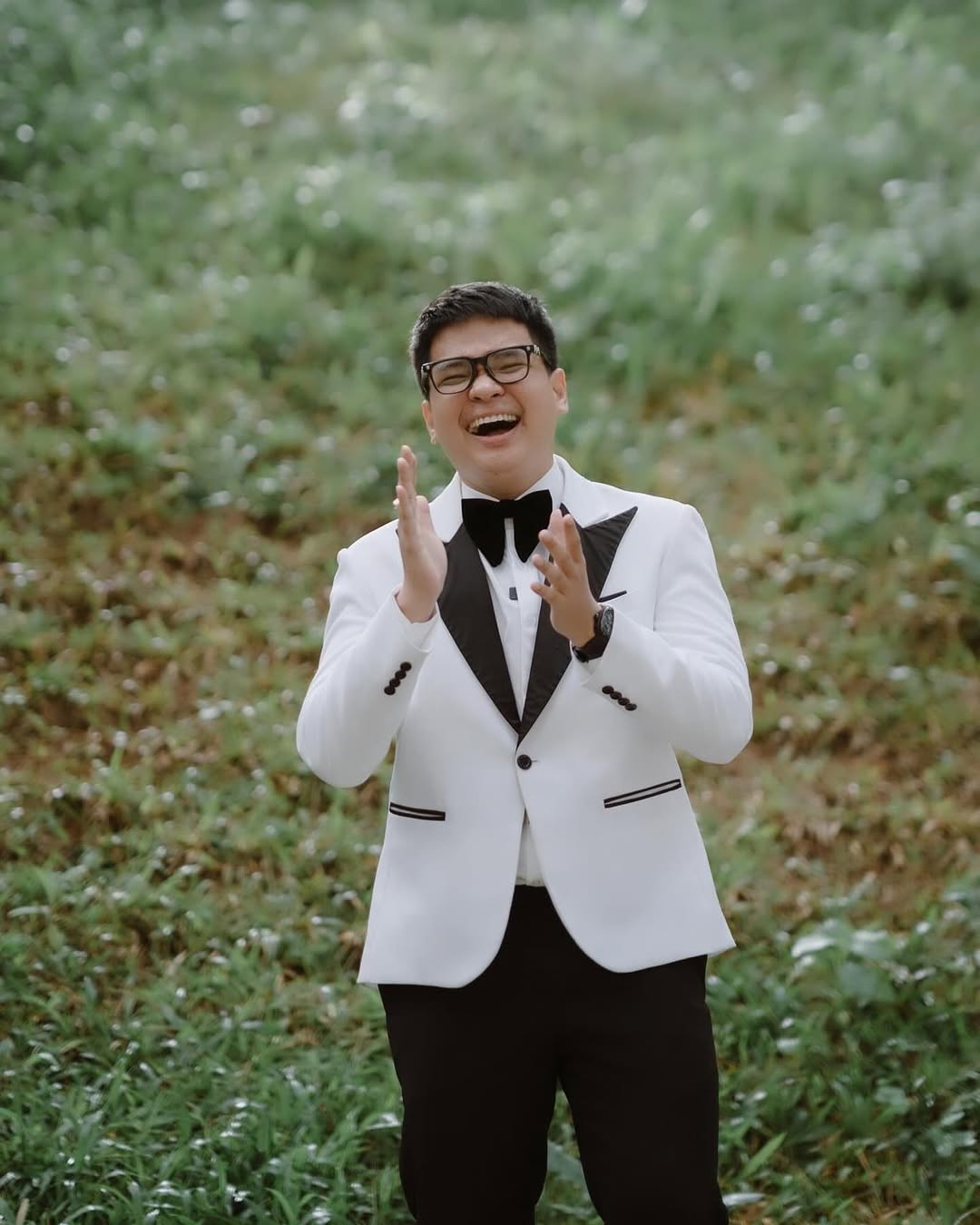
A wedding reception program script professional is not simply a list of activities by time. The rundown needs to answer three questions: who performs it, what needs to be ready beforehand, and what signal triggers the next step. This is the foundation of full-service Wedding Planner service when The Pine coordinates the MC, sound, lighting, decoration, photography, venue, and vendors on the wedding day.
Key Ceremony Sequence: Guest Arrival – Wedding Declaration – Ring Exchange – Vow Reading – Blessing
A reference sequence can begin with guest arrival and seating, the bride and groom entering the ceremony area, the MC or celebrant opening the ceremony, followed by the story-sharing segment, wedding vows, ring exchange, and blessing. The specific order should be adjusted according to family traditions and the style of the ceremony.
There is no need to include too many rituals in a short program. If every segment is considered a “highlight”, the program will ultimately lack a truly meaningful highlight.
How to Combine the Wedding Ring Exchange, Vows, and Private Moments of the Bride and Groom
A natural approach is to have each person read their vows, spend a few seconds looking at each other before the MC transitions to wedding ring exchange ceremony. The background music should be soft enough at this point not to compete with their voices. The photographer and videographer also need to know their positions in advance to avoid moving back and forth during the important moment.
A 3–5 second pause after each vow can sometimes be more valuable than having the MC immediately continue. In event coordination, well-timed silence is also part of the script.
Suggestion for Integrating a Wedding Tree-Watering Ceremony for Outdoor Receptions as a Symbol of Nurturing the Future
Wedding tree-watering ceremony is suitable for outdoor ceremonies, especially in garden or pine forest settings. Caring for a young tree together can symbolize beginning and nurturing a new family.
To prevent the ritual from becoming a disconnected performance, connect it with remarks about nurturing and place it after the wedding vows or ring exchange. Check the tree type, pot size, amount of water, placement, and duration in advance to prevent soil or water from affecting the attire.
The Role of a Wedding Planner in Building the Rundown and Coordinating the Emotional Rhythm of the Wedding Day
A planner does not simply create a timeline. Practical work includes defining cues for sound and lighting, when music starts, where the bride and groom stand, family movement routes, vendor setup time, and contingency plans when one link in the chain is slower than planned.
In full-service Wedding Planner service, the more detailed the rundown, the less the bride and groom have to handle operational tasks themselves on the wedding day. The ultimate goal is for the two main characters to focus on people and emotions rather than constantly asking, “what do we do next?”.
Designing the Wedding Space and Style to Turn Vows into an Artistic Moment
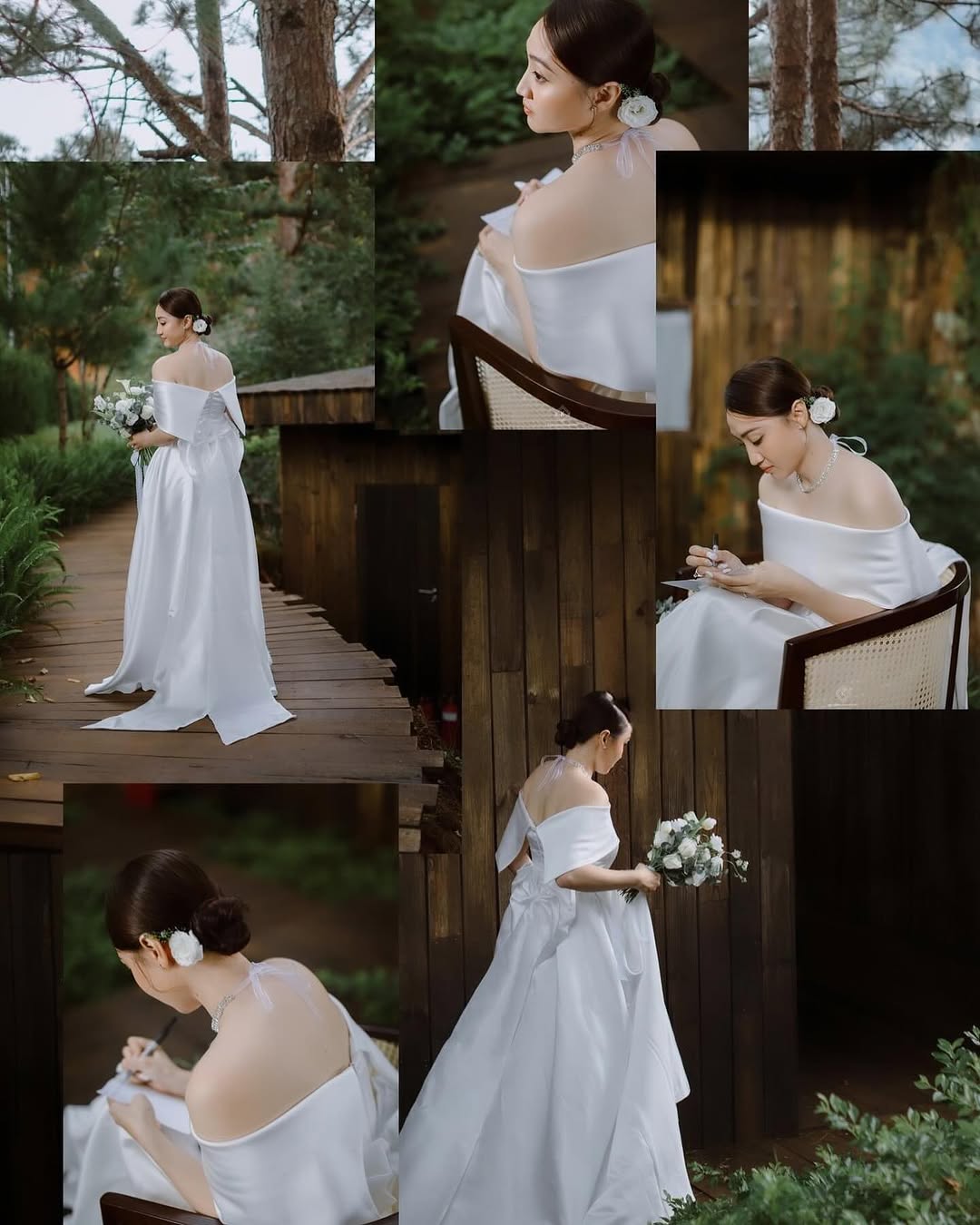
Wedding vows do not exist independently of the space. Lighting direction, guest distance, sound system, and ceremony layout all directly affect how the moment is experienced and captured in images.
Wedding Vows in the Da Lat Pine Forest: Combining Nature, Light, and Emotion
With wedding vows in the pine forest, the greatest advantage is the natural depth of the landscape. Instead of building an oversized backdrop that obscures the surroundings, consider using low floral installations, asymmetrical floral clusters, or open structures so the pine forest becomes part of the design.
When hosting in Da Lat city, rapidly changing weather and light are factors that need to be incorporated into the plan early. The ceremony time should not be determined solely by the reception schedule; actual lighting at the venue, temperature, possibility of rain, and the time when the sun becomes low should also be considered.
How to Choose a Fine Art Decoration Concept That Fits Each Couple's Love Story
Fine Art does not mean using a huge amount of flowers or a high decoration budget. The more important spirit lies in proportion, color palette, materials, and the ability to create breathing room in the space. Warm Amber & Ivory can create a warm and classic feeling; White & Sage Green suits airy ceremonies close to nature.
The Pine usually starts with the story, personality, and venue instead of choosing a decoration template and then replacing it with the bride and groom's names. This approach helps focus the budget on elements that create the greatest visual value and limits spending on details that have little impact on the overall experience.
Arranging the Stage, Aisle, and Ceremony Area to Create a Complete Guest Experience
The ceremony area should be checked from the perspectives of the bride and groom, guests, and the filming team. An aisle that is too narrow makes it difficult for the photographer to work; a stage that is too high reduces the sense of intimacy; seats placed too far away make it difficult for guests to hear the vows even with a good sound system.
Especially for outdoor weddings, survey the wind direction, sun direction, power sources, equipment transport routes, and safe exits. Requirements regarding fire safety and venue-specific regulations should also be checked with the venue before deploying candles, decorative lighting, or outdoor electrical equipment.
Professional Wedding Reception Script Development Process with The Pine Wedding Planner

A smooth wedding program is the result of multiple layers of planning completed before the event. The Pine approaches this process from the couple's story, then translates it into a concept, budget, vendor plan, and operational rundown.
Step 1: Listening to the Love Story and Shaping a Unique Wedding Concept
The first discussion should not focus only on flower colors or backdrop designs. The planner needs to understand what you both like, what you dislike, the guest count, family style, expected budget, and desired experience.
Based on that information, the moodboard is developed into a personalized concept rather than copying reference images. This story also becomes the source material for determining how wedding vows appear throughout the program.
Step 2: Creating the Timeline, Managing the Budget, and Coordinating Vendors According to a Detailed Plan
The budget should be divided into priority groups such as venue, F&B, decoration, photography, videography, sound and lighting, attire, entertainment, and other operational expenses. Each additional decision should be considered within the total budget rather than approved separately.
With experience in transparent wedding budget management, the planner can help the couple clearly see which items deserve investment, which details can be simplified, and what contingency amount should be retained. transparent wedding budget management also helps changes during preparation to be evaluated based on figures rather than emotions.
Step 3: Final Rehearsal of the Wedding Ceremony Script and Coordination of the Entire Wedding Day
Before the wedding day, the rundown needs to be finalized with key contacts. Segments involving significant movement, such as the entrance, ring exchange, vow reading, family rituals, or first dance, should have their music cues, lighting, and positions carefully checked.
If conditions allow, a full rehearsal at the venue helps identify issues that are difficult to show in a paper plan: the bride's movement time in a long dress, the distance from the waiting area to the ceremony, guests' blind spots, or the transition time between areas.
Step 4: Flexibly Handling Unexpected Situations So the Bride and Groom Can Enjoy Their Special Day
Wedding days always involve variables: late guests, vendors stuck in traffic, changing weather, attire requiring adjustments, or a program running a few minutes late. The planner needs to classify which issues require immediate action, which can be handled by adjusting the timeline, and which do not need to disturb the bride and groom.
A good coordination team does not make guests realize that they are handling a problem. Changes should happen behind the scenes so the experience in front remains seamless.
Important Considerations When Preparing Wedding Vows and the Script for the Big Day
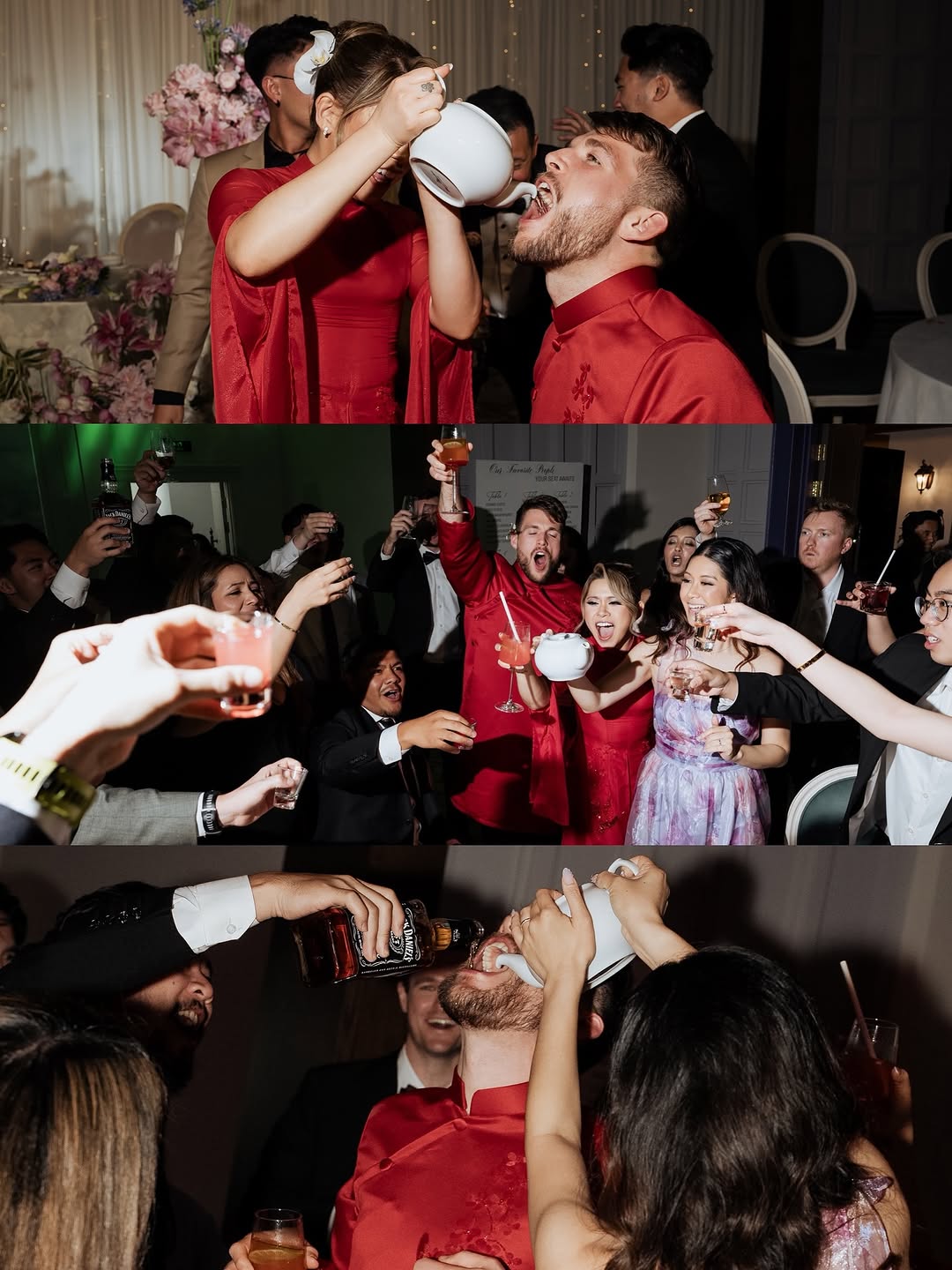
Thorough preparation does not make the wedding day lose its natural character. On the contrary, when operational elements are under control, the bride and groom have enough space to react, laugh, cry, and enjoy things that cannot be written into the rundown in advance.
Common Mistakes When Writing Wedding Vows That Make Emotions Feel Forced or Unnatural
The most common mistake is trying to write like famous vows found online. Other issues include telling too many stories, making overly generic promises, turning vows into a thank-you speech for guests, or making the content so long that the emotion peaks and then gradually fades.
When finalizing wedding vows, try deleting sentences that any couple could say. The more closely the remaining part is connected to the two of you, the more distinctive the wedding vows will be.
How to Prepare a Contingency Plan for an Outdoor Wedding in Da Lat Before Weather Changes
Plan B should not simply be “if it rains, put up a canopy”. Clearly define the weather threshold that activates the contingency plan, who makes the decision, the latest time to change the setup, and how guests will be guided.
For Da Lat climate, the contingency plan should also account for low temperatures, humidity, wind, and ground conditions after rain. If there is an indoor venue or covered area, measure its capacity in advance and determine an alternative layout instead of waiting until the wedding day to respond.
A good Plan B is not a solution invented when rain begins. It is a scenario prepared in sufficient detail to be activated immediately when actual conditions change.
How to Balance Traditional Rituals, Personal Wishes, and the Guest Experience
Vietnamese weddings often involve both the couple's wishes and expectations from both families. Instead of completely eliminating traditional rituals or trying to keep everything, identify the rituals that genuinely matter to the family and then redesign how they are presented to suit the overall event.
For example, parents' blessings can retain their meaning while shortening the introduction; wedding ring exchange ceremony can be combined with wedding vows; while family-specific elements can be arranged during the ancestral ceremony so the main ceremony does not become too long.
Why Have a Wedding Planner to Control Details and Reduce Preparation Pressure
Couples can absolutely prepare many elements themselves. However, as the wedding day approaches, the number of overlapping tasks grows: vendors, venue, guests, family, timeline, payments, decoration, and last-minute changes.
A Wedding Planner creates a unified management point. The value lies not only in completing the checklist but also in seeing the relationship between each decision. For example, changing the ceremony time can affect photography lighting, makeup time, setup timing, vendor staffing, and the venue's service schedule.
Perfect Wedding Vows Begin with a Journey Designed Specifically with The Pine Wedding Planner
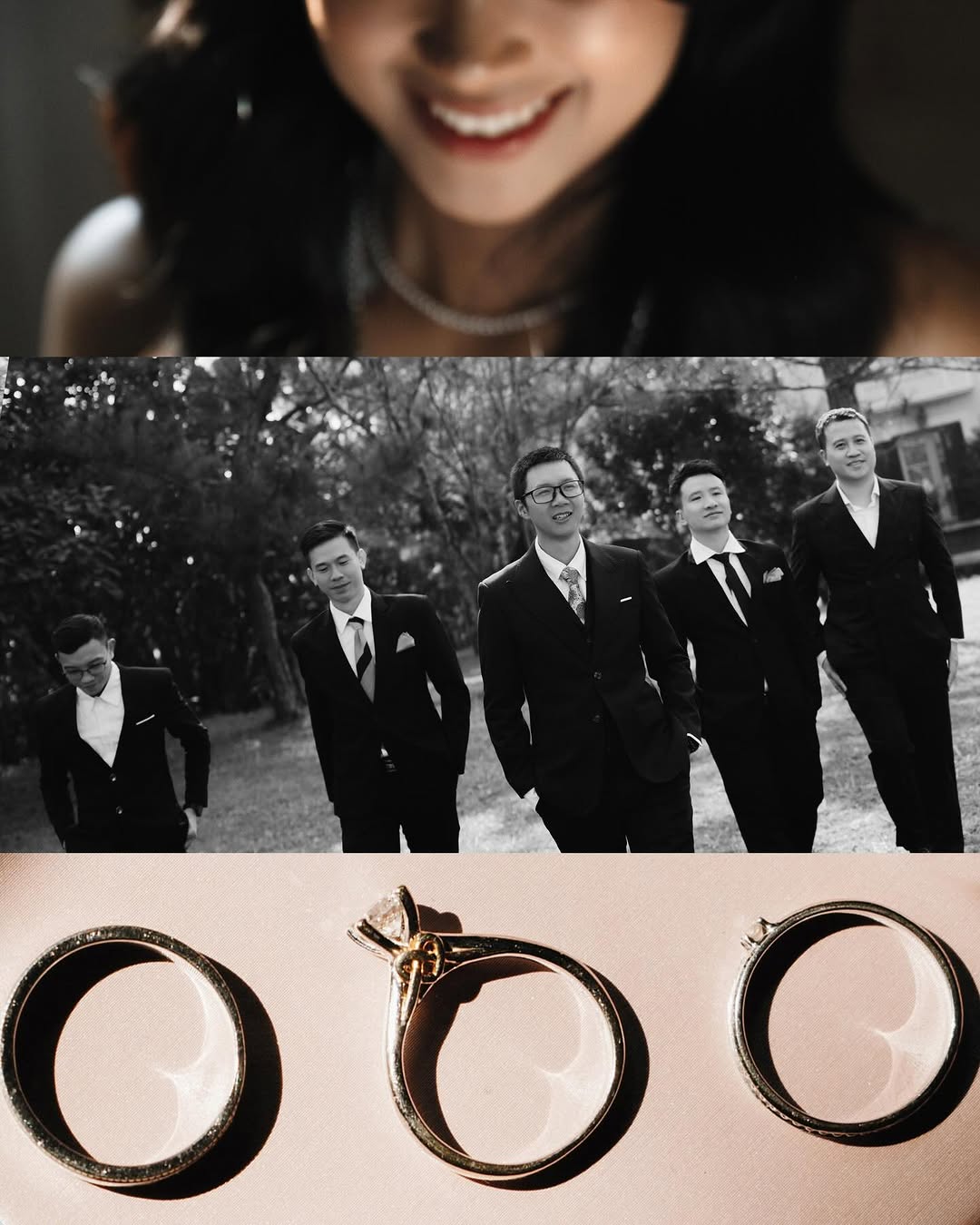
Wedding vows may only last a few minutes, but making those minutes truly complete requires an entire system behind them: the right story, suitable space, accurate timeline, seamless vendor coordination, and a team that knows when to step forward and when to step back.
Every Wedding Is a Unique Story: From Ideas and Space to Every Emotional Moment
The Pine believes a concept should not begin with the question, “what is trending this year?”, but with the question, “what do you both want to remember most about your wedding day?”. When the answer is clear enough, the choice of colors, flowers, lighting, music, and rituals will all follow the same direction.
A wedding in the pine forest can be very minimalist yet still rich in emotion if every detail tells the same story. Conversely, a heavily invested space can still feel unfamiliar when the concept and the people are not connected.
The Pine Wedding Planner with Full-Service Wedding Planning, Wedding Day Coordination, and Artistic Decoration Services in Da Lat & Ho Chi Minh City
Depending on how much preparation the couple has completed, The Pine can accompany them from Full Planning A-Z and Day-of Coordination to wedding reception design and decoration, ancestral ceremonies, and rituals suitable for the family. With full-service Wedding Planner service, the process is managed throughout from concept, budget, and vendors to the rundown and wedding-day coordination.
For couples who have already completed most of the work themselves, wedding-day coordination focuses on receiving the plan, reviewing the timeline, coordinating vendors, conducting the final rehearsal, and operating the program so the two of you do not have to become event managers on your own wedding day.
Keeping the Budget Intact, Reducing Unexpected Costs, and Helping the Bride and Groom Fully Enjoy Their Special Day
A good wedding plan needs to balance three factors: the desired experience, financial resources, and practical feasibility. Therefore, The Pine prioritizes transparent wedding budget management, identifies priority items from the beginning, and maintains an appropriate contingency fund instead of adding uncontrolled costs during the final stage.
If you are preparing wedding vows, developing wedding reception program script or planning a wedding in Da Lat or Ho Chi Minh City, The Pine Wedding Planner can accompany you from listening to your story to designing the concept, creating the budget, selecting vendors, and coordinating the wedding day. A memorable big day does not need to be created with countless details; what matters is that every detail appears for the right reason, at the right time, and points toward your story together.
