

A beach wedding always has a beauty of its own: the sound of waves replaces elaborate stage effects, the sunset becomes a natural backdrop, and every guest does more than simply attend a celebration; they become part of a memorable journey with the bride and groom. However, choosing the right beach wedding resort, involves more than finding a beautiful beach. The setting, weather, accommodation, operations, budget, setup regulations, and contingency plans can all determine the experience of the entire wedding day. This article helps couples take a comprehensive approach before choosing a venue, developing a concept, and planning a well-organized, emotionally meaningful destination wedding while keeping costs under control.
What Is a Beach Wedding Resort? Why Is Destination Wedding Becoming an Increasingly Popular Trend?
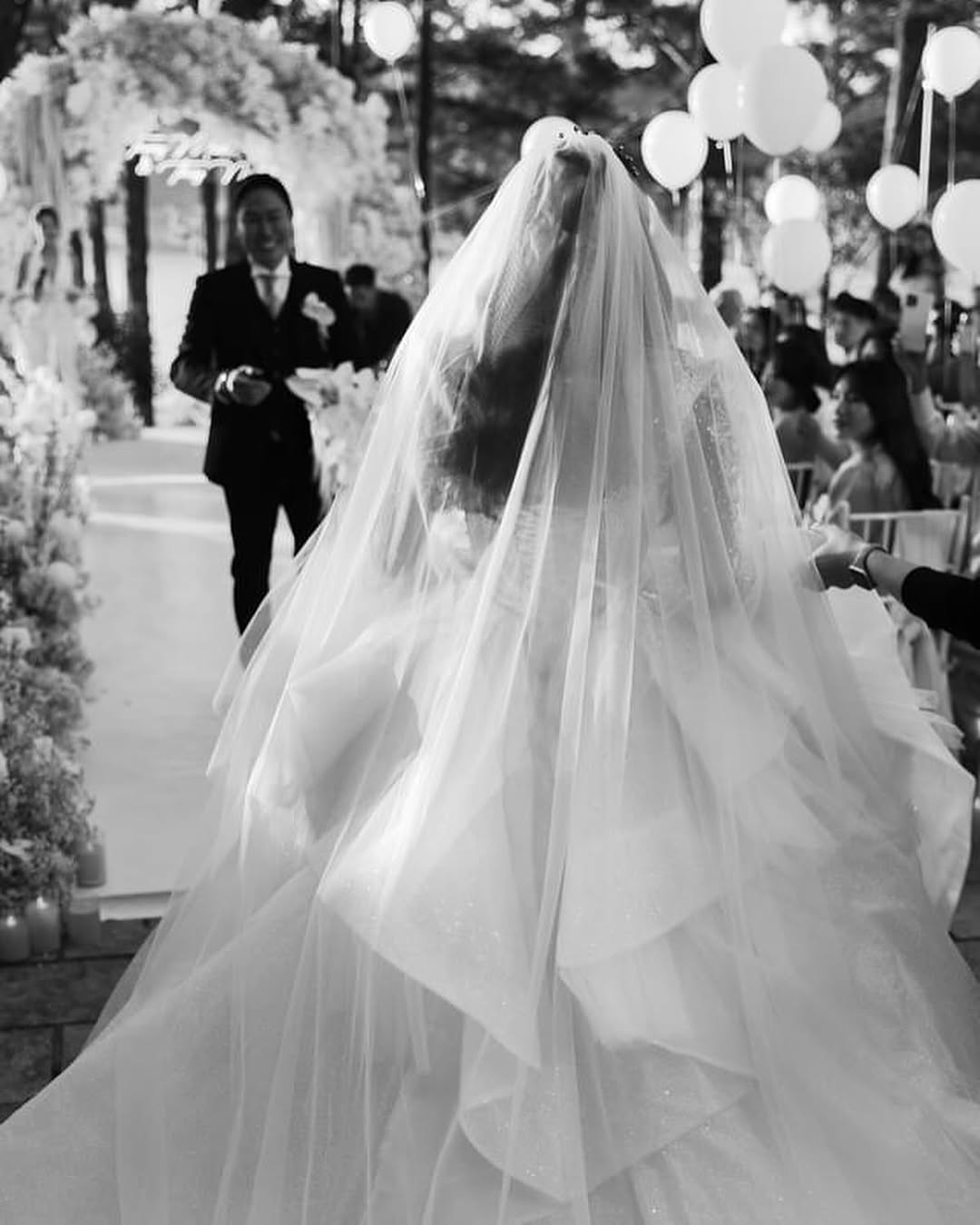
A Destination Wedding: When Your Special Day Becomes an Emotional Journey
When planning a beach wedding resort celebration, a destination wedding is a form of wedding celebration held at a location different from the bride and groom's usual place of residence and that of most guests. Instead of a reception lasting just a few hours, the experience may span one to three days, including guest arrivals, a welcome party, the ceremony, an evening reception, an after-party, or a farewell brunch.
The greatest appeal of this format is not about traveling far, but about creating a dedicated experience for the people who matter most. When everyone stays at the same resort, shares meals, witnesses the exchange of vows, and spends time together, the experience becomes much more than a wedding reception; it becomes a lasting family memory.
In Vietnam, destinations such as Phu Quoc, Da Nang – Hoi An, Nha Trang – Cam Ranh, Quy Nhon, Phan Thiet – Mui Ne, and Ho Tram are often considered because of their scenic advantages and established resort infrastructure. However, the most beautiful destination is not necessarily the most suitable one. The selection process should begin with guest numbers, wedding style, travel accessibility, season, and total budget.
What Makes Resort Weddings Special: Privacy, Romantic Scenery, and Seamless Services
A beach wedding resort A suitable resort typically offers three major advantages. First, natural scenery that is impressive enough to become part of the design. Second, the ability to create relatively private spaces for the ceremony and reception. Third, an integrated ecosystem of accommodation, dining, technical facilities, and personnel that can provide coordinated support at a single location.
Compared with renting a beach separately and bringing in all equipment, tables, chairs, catering facilities, sound systems, and staff from outside, a resort venue can significantly reduce operational complexity. However, this does not mean every service should automatically be purchased as part of a standard package. A Wedding Planner should still break down each item to determine which resort services are suitable and which aspects require specialized vendors to protect the concept.
This is also the difference between a resort and a beach wedding hotel. A beachfront hotel may have a beautiful ballroom and convenient accommodation, but not every property offers a private beach, a separate ceremony area, or sufficient control over the venue for the entire setup process.
Key Factors to Consider Before Choosing a Resort for a Beach Wedding in Vietnam
Before paying a deposit, couples should check at least six key areas: actual capacity, privacy, permitted setup hours, policies on external vendors, alternative arrangements for bad weather, and the total costs of accommodation, dining, and operations for guests.
A beach that looks beautiful during a site inspection may not offer the same conditions on the wedding day. Tides, sunlight direction, wind, humidity, rainy seasons, and sunset times should all be considered alongside the local weather forecast. For an outdoor ceremony, the Wedding Planner should also consider chair orientation so guests do not have to face direct sunlight or sit against excessively strong backlighting during photography.
In addition, couples should clarify the beach usage regulations, noise restrictions, event end times, permitted areas for staking or installing structures, material transportation arrangements, and post-event waste disposal procedures. These details may not sound romantic, but they determine whether a plan can actually be executed.
How to Choose the Right Beach Wedding Resort to Reflect Your Love Story
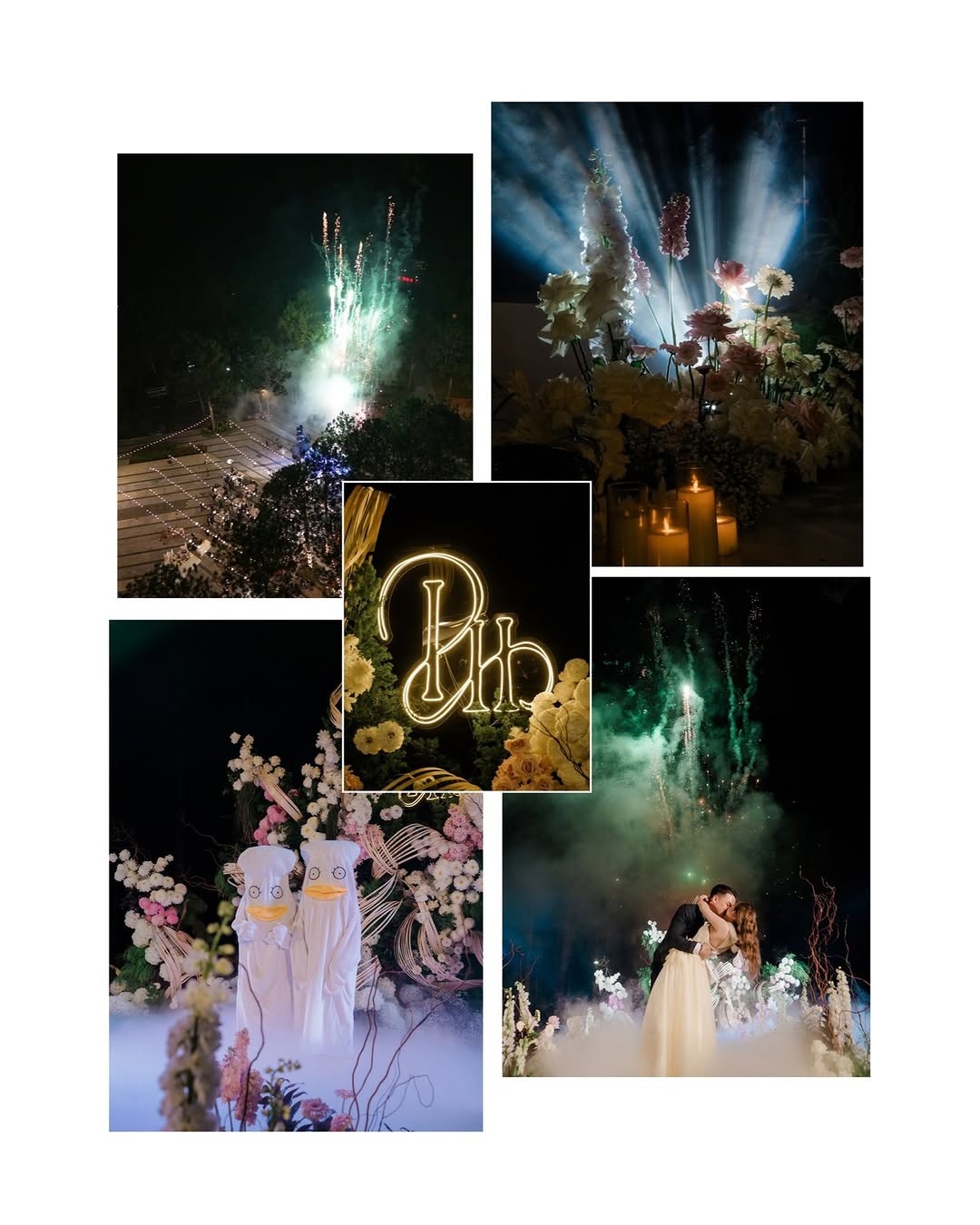
Defining Your Wedding Style: Fine Art, Tropical, Minimalist, or Luxurious Beach Celebration
The venue should complement the concept rather than force the concept to change completely. Before viewing resorts, couples should define the feeling they want guests to remember: elegant and artistic, tropical and carefree, modern and minimalist, or luxurious in the style of a private seaside dinner.
For a Fine Art style, neutral architectural backgrounds, clean sandy beaches, open horizons, and natural lighting are often more important than the number of existing decorative features. For a Tropical style, lush vegetation and local materials can become advantages. For a Minimalist style, spaces with fewer unnecessary details are easier to manage aesthetically. A luxurious beach reception requires additional attention to lighting, table spacing, linen quality, tableware, and service experience.
The Pine often recommends creating a moodboard before finalizing the venue. Once the colors, materials, level of decoration, and overall atmosphere are clearly defined, evaluating resorts becomes less subjective and reduces the risk of booking a venue only to discover later that it does not suit the desired concept.
Evaluating Resort Venues: Private Beaches, Gardens, Ceremony Areas, and Dinner Reception Spaces
A good destination wedding venue needs more than one beautiful area; it needs a sequence of spaces capable of guiding guests through an emotional journey. Guests may begin at the welcome area, move to the ceremony, continue to cocktails, enter the dinner area, and finally proceed to the after-party. If every activity takes place in the same location without any spatial variation, the overall experience can easily feel flat.
When surveying beach wedding resort, Therefore, couples should visit the venue during the exact time slot planned for the event. Observe the lighting, wind direction, noise from public areas, distance from guest rooms to the ceremony location, and vendor equipment transportation routes. A beautiful backdrop located too far from technical facilities can significantly increase electricity, staffing, and logistics costs.
Checking Accommodation, Dining, Transportation, and Experiences for Wedding Guests
A destination wedding is first and foremost about the guest experience, before it is about decoration. Couples need to know how many rooms can be reserved for their group, the early check-in policy, breakfast arrangements, airport shuttles, rooms for elderly guests, children's play areas, and activities available to guests when no wedding program is scheduled.
Food and beverage services also require a tasting session in advance. An attractive menu in a brochure is not enough to guarantee the actual dining experience when serving a large number of guests outdoors. The Wedding Planner should inspect the distance from the kitchen to the reception area, food temperature maintenance methods, serving speed, and the ability to accommodate special menus for children, vegetarians, or guests with food allergies.
Venue Selection Checklist: Weather, Legal Requirements, Setup Regulations, and Backup Plans
Before signing the contract, The Pine recommends that couples review the following checklist:
- Rainy seasons, typical rainfall, and prevailing wind directions during the planned event period.
- Permitted starting and ending times for outdoor sound systems.
- The time window when vendors can enter for setup and the mandatory dismantling deadline.
- External vendor fees, electricity charges, transportation fees, corkage fees, and technical surcharges.
- The possibility of reserving the ceremony area exclusively throughout the event.
- The capacity of the indoor Plan B venue.
- Travel distance and time from the airport or city center.
- Terms covering date changes, event cancellations, and force majeure circumstances.
An important principle is never to pay a deposit based solely on a resort's promotional images. An actual site inspection and careful contract review are far more valuable than an attractive photo collection.
Top Criteria for Creating the Perfect Beach Wedding at a Resort in Vietnam
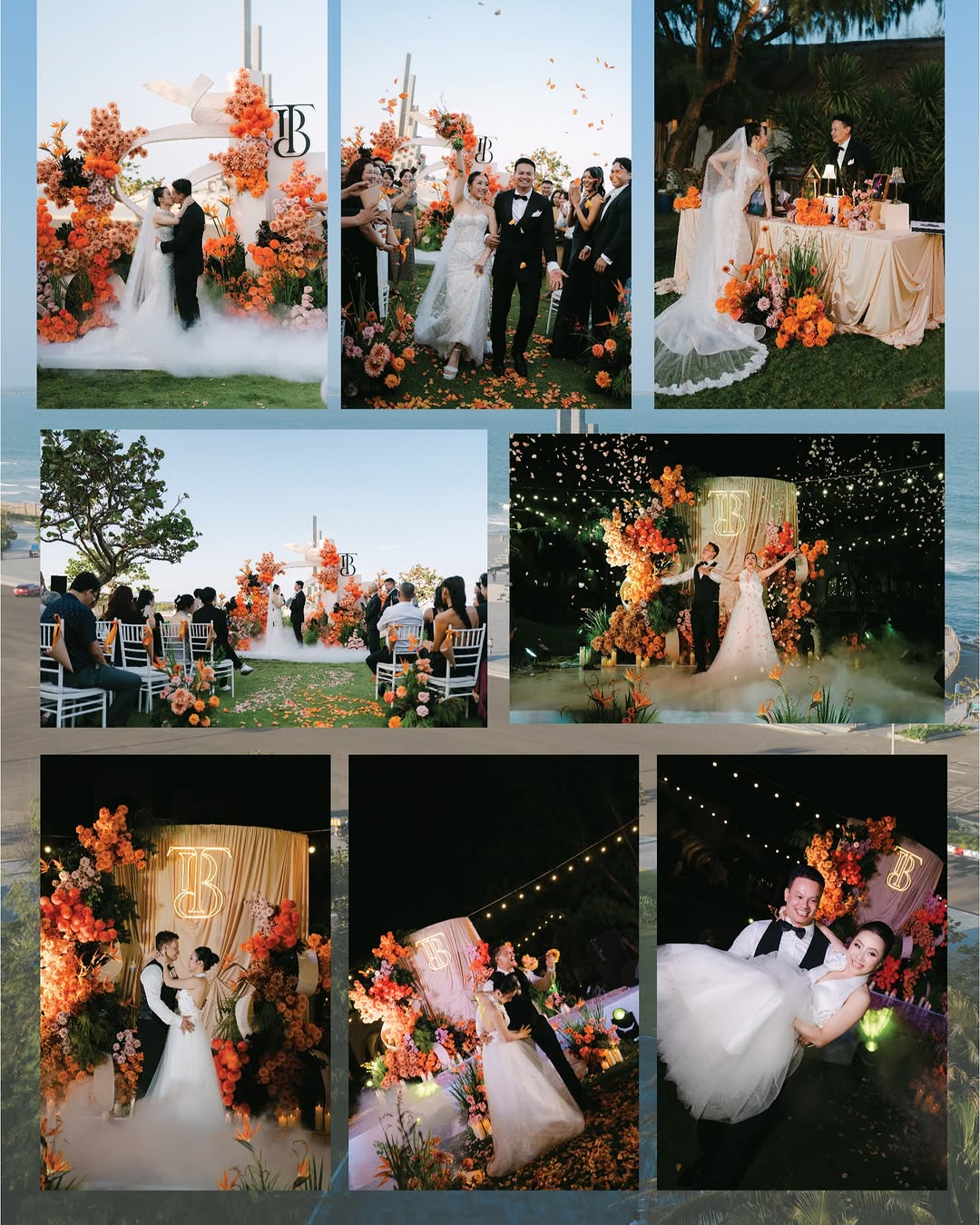
Designing a One-of-a-Kind Wedding Concept: Transforming a Resort Venue into a Personal Work of Art
A memorable wedding does not need to use the greatest amount of materials; it needs a consistent story. That story may begin with where the couple met, a special trip, a particular flower, a favorite color, or a value they both cherish.
From that story, the Wedding Planner develops a moodboard featuring the color palette, typography, flowers, materials, lighting, stationery, music, and the way guests move through the space. When every touchpoint speaks the same visual language, even a restrained design can create a truly distinctive atmosphere.
A good concept is not one that makes guests say the decorations are elaborate, but one that makes them feel this could only be the wedding of these two people.
For The Pine, full-service Wedding Planner service The process should begin by understanding the couple's story before discussing flowers, furniture, or backdrops. This helps allocate the budget to the elements that create the strongest emotional impact rather than spreading it across too many decorative items.
Outdoor Wedding Decorations: Premium Fresh Flowers, Lighting, Table Settings, and Emotional Touches
Beaches offer scenic advantages but also present unique technical challenges. Wind can tilt floral arrangements, humidity affects flowers and paper materials, sand makes furniture structures more difficult to stabilize, and natural lighting changes very quickly as sunset approaches.
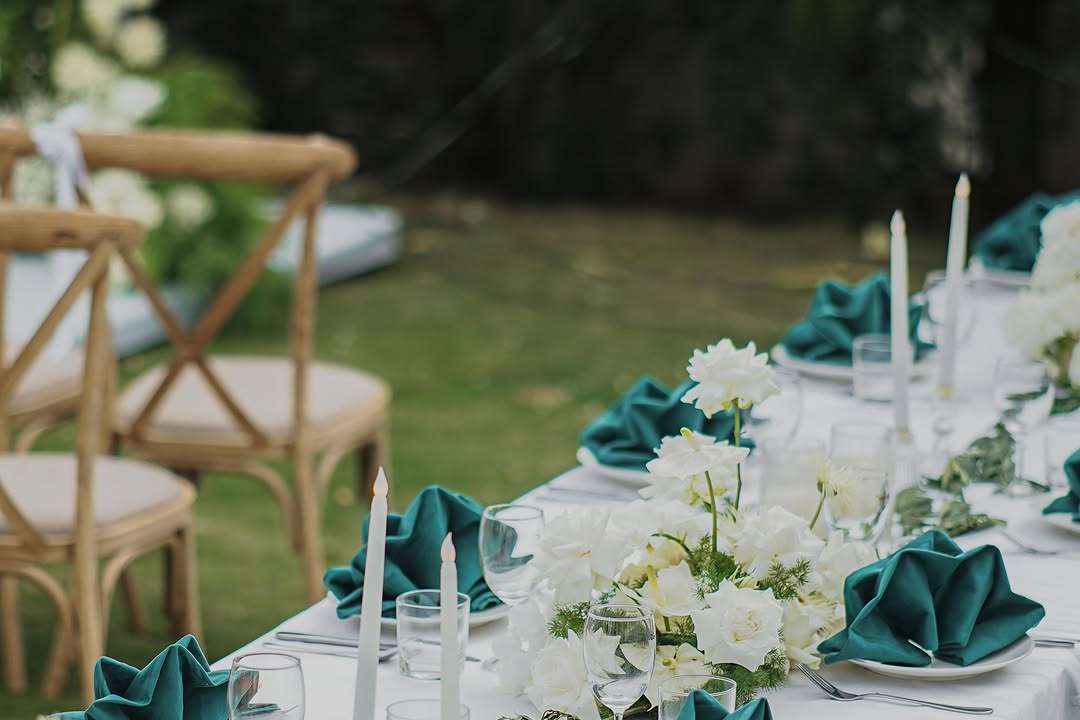
Fresh flowers should be selected not only for their colors but also for their heat resistance and display duration. Tall structures require appropriate load calculations and reinforcement. Candles, string lights, and accent lighting systems should be tested in advance to ensure that guests can still clearly see their food, faces, and important decorative details after dark.
Experience in organizing outdoor weddings shows that the budget should prioritize three areas with the greatest impact on visual presentation and guest experience: the ceremony, the main dining area, and the lighting system. Secondary areas can be designed more simply to protect the overall budget.
Wedding Day Schedule: From Guest Reception and Vow Exchange to an Intimate Evening Celebration
A good wedding rundown is not a densely packed schedule. It is an emotional rhythm carefully planned so guests do not have to wait too long, the bride and groom have time to rest, the technical team has enough time for scene changes, and important moments take place under the right lighting conditions.
For example, if the ceremony needs to take place during golden hour, its start time should be calculated backward from sunset, with an additional buffer for late-arriving guests. After the ceremony, there should be enough time for cocktails so the couple can take photographs while the team transforms the space before dinner. Speeches, the first dance, cake cutting, and surprise activities should also be distributed throughout the program to avoid concentrating everything toward the end of the evening.
Destination Wedding Costs at a Resort: How to Create a Transparent and Optimized Budget

Main Cost Categories When Planning a Destination Wedding at a Beach Resort
Destination wedding costs usually include much more than reception expenses. A complete budget plan should separately identify at least the following categories: venue and accommodation, F&B, design and decoration, sound and lighting, photography and videography, attire and beauty services, entertainment, logistics, Wedding Planner fees, guest gifts, and contingency funds.
Couples should also determine from the beginning how much support they will provide for guests. Some weddings only provide shuttle services, some events include one night's accommodation, while smaller destination weddings may cover all guest rooms. This policy has a significant impact on the total budget and should be agreed upon before sending save-the-dates.
Wedding Budget Planning: How to Control Venue, Decoration, Catering, and Operational Costs
Rather than asking how much the total budget should be, The Pine usually begins with three questions: which experiences are non-negotiable for the couple, what is the maximum guest count, and which portion of the budget must remain as a safety limit.
From there, the budget is divided into essential expenses, experience-enhancing expenses, and adjustable expenses. For example, reception and operational costs are usually directly linked to guest numbers, while decoration can be optimized by focusing on areas with high visual value. If the concept requires extensive fresh flowers, the number of installations can be reduced while improving the quality of the ceremony and bridal table arrangements instead of covering the entire venue with flowers.
The Budget Plan should also include columns for estimated costs, actual quotations, amounts already deposited, outstanding payments, and payment deadlines. This management approach allows couples to identify the risk of exceeding their budget before the money is actually spent.
Tips for Optimizing Costs by 15–20% and Preventing Unexpected Expenses with a Professional Budget Plan
The 15-20% savings figure should not be understood as a guarantee applicable to every wedding. In plans involving multiple categories, optimization opportunities often come from eliminating duplicate expenses, selecting the right vendors from the beginning, negotiating suitable packages, controlling concept changes, and finalizing guest numbers on time.
For example, if the resort already has tables and chairs that match the concept, renting an entirely new set may be unnecessary. If the ceremony and dinner use some of the same floral structures, the team can design a conversion plan instead of producing two separate sets. Standardizing the setup timeline can also reduce vendor overtime costs.
Through full-service Wedding Planner service, With this approach, The Pine focuses on budget control from the concept development stage rather than waiting until quotations exceed the budget before making cuts. This helps protect both the aesthetics and the overall wedding experience.
The Wedding Planning Process for Destination Weddings in Da Lat and Beyond with a Professional Wedding Planner
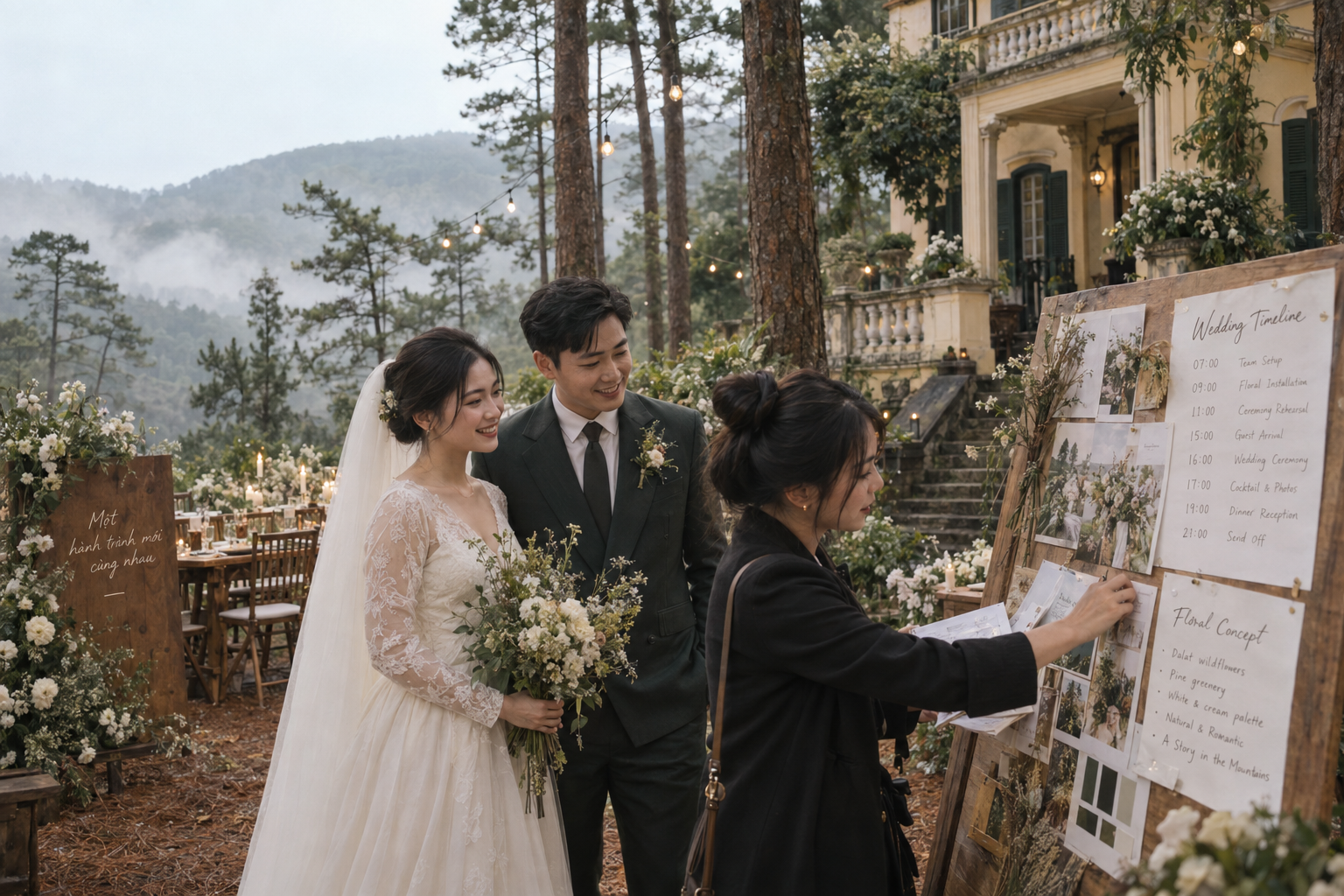
Step 1: Concept Consultation, Moodboard Development, and Defining a Personalized Wedding Style
Whether planning a wedding in Da Lat or organizing a beach destination wedding, the first step is always understanding the couple. Guest numbers, guest age groups, lifestyle, favorite imagery, how the couple met, and the estimated budget all provide essential information for developing the concept.
A moodboard is not simply a collection of beautiful images. A good moodboard should communicate the colors, floral proportions, furniture materials, lighting, stationery, dress code, and overall atmosphere guests will experience. For a romantic Da Lat wedding, pine forests, mist, and the highland climate can become the main design elements; for a beach wedding, lighting, the horizon, and the movement of the wind play a more significant role.
Step 2: Selecting Resorts, Managing Vendors, and Creating a Detailed Wedding Timeline
Once the concept and preliminary budget have been established, the Wedding Planner begins shortlisting venues. Each resort should be evaluated against the same set of criteria to avoid making a decision based solely on emotions during a site inspection.
Vendors should also be selected according to their style and actual execution capabilities. A floral designer who excels in ballrooms may not necessarily be suitable for beachfront structures; a sound team accustomed to indoor events may lack the experience needed to handle wind or humidity. Choosing the right specialists helps reduce the risk of corrections and unexpected costs.
Step 3: Wedding Day Coordination, On-Site Supervision, and Ensuring a Seamless Experience
On the wedding day, dozens of tasks must come together at exactly the right time: vendors arrive, flowers are installed, sound systems are tested, tables are set, the bride has her hair styled, guests check in, photographers prepare, the ceremony begins, and the kitchen coordinates meal service.
This is why coordination is not simply about holding a timeline. The team needs decision-making authority on-site, a clear understanding of who is responsible for each task, and solutions for situations in which one part of the operation falls behind schedule. Experience in organizing outdoor weddings This is particularly important because actual conditions can change within just a few dozen minutes.
Step 4: A Plan B for Outdoor Weddings in Changing Weather Conditions
Plan B must be designed alongside Plan A, not improvised when it starts raining. A good contingency plan must clearly answer the following questions: Where will the ceremony move? How many people can the alternative venue accommodate? How long will the transition take? Who makes the decision? What is the final activation deadline?.
The Pine often recommends setting a specific decision time. For example, if the ceremony starts at 5 PM, the team may need to make a decision several hours in advance to allow sufficient time to protect equipment and relocate flowers, chairs, and sound systems. Waiting until the last minute in the hope that the weather will improve often compromises the quality of both Plan A and Plan B.
Common Risks When Organizing Beach Weddings and Practical Ways to Handle Them
Weather Preparedness: Rain, Sea Winds, and Flexible Venue Change Plans
The greatest risk of a beach wedding is unpredictability. Not only rain but also strong winds can affect backdrops, flowers, sound systems, and the guest experience. Humidity can also affect electronic equipment, printed materials, and certain decorative materials.
The solution is not to try to eliminate every risk, because this is impossible for outdoor events. Instead, a response system should be designed: monitor weather conditions through multiple sources, protect essential equipment, prepare suitable materials, and determine alternative arrangements in advance.
A beach wedding resort Having a ballroom or an attractive semi-outdoor space provides a significant advantage. When Plan B still preserves the spirit of the concept, changing the venue no longer feels like an undesirable last resort.
Vendor Management: Ensuring Setup Schedules, Service Quality, and Seamless Coordination on the Wedding Day
Destination weddings often involve multiple vendors traveling from other cities. Flight delays, missing equipment, incorrect structural dimensions, or unfamiliarity with resort regulations can all trigger a domino effect across the entire timeline.
Before the wedding day, the Wedding Planner should organize a technical meeting with all relevant parties to confirm arrival and setup times, staff lists, electrical layouts, material staging areas, transportation routes, and completion deadlines. Important details should be documented in a production schedule rather than communicated only through messages.
Preserving the Couple's Special Moments: So Family and Guests Can Simply Enjoy the Celebration
One sign of a well-organized wedding is that the bride and groom do not have to constantly check on vendors, ask when meals will be served, or resolve issues such as missing chairs on their wedding day.
The coordination team should become the single point of contact for receiving, prioritizing, and resolving issues behind the scenes. Matters that do not directly require the couple's decisions should not be passed back to them on their wedding day.
The ultimate goal of wedding planning is not to create a perfect timeline on paper, but to establish enough certainty for the two main characters to be fully present on their special day.
The Pine Wedding Planner: Creating Distinctive Beach Wedding Resorts and Destination Wedding Experiences

Hands-On Experience in Da Lat and Ho Chi Minh City Organizing Emotionally Memorable Outdoor Weddings
From outdoor weddings in Da Lat to destination wedding projects, The Pine approaches each project from two perspectives: emotion and operations. A beautiful space must also be practical to build, an artistic concept must fit within the budget, and a romantic ceremony always needs a realistic Plan B.
Experience with outdoor terrain and weather conditions allows the team to identify overlooked factors early, such as wind direction, transportation time, power supply points, backstage facilities, transition time, and conditions for protecting flowers and equipment.
Full-Service Wedding Planning, Day-of Coordination, and Bespoke Wedding Decoration Tailored to Every Couple's Story
The Pine offers different levels of support depending on each couple's needs. With Full Planning, the team participates in everything from concept development, Budget Planning, venue selection, vendor management, and design to timeline development and coordination. With Day-of Coordination, The Pine takes over an existing plan, reviews potential risks, and manages the wedding day.
Wedding Decoration is developed through a bespoke approach tailored to each couple's story rather than applying a ready-made template. From Fine Art and Warm Amber & Ivory to White & Sage Green, the color palette is only the starting point; spatial proportions, lighting, flowers, materials, and the way the experience is guided ultimately define the final identity.
For traditional engagement ceremonies, Buddhist wedding ceremonies, or marriage ceremonies, the design must also respect the structure of the rituals and family culture. True refinement lies in harmonizing tradition with modern aesthetics without losing the meaning of the ceremonies.
From the First Idea to the Perfect Wedding Day: The Pine Is There to Make Every Moment a Lasting Memory
Choosing beach wedding resort The process should not begin by asking which place is the most beautiful, but rather which place best suits the couple's story, guests, budget, and desired experience. Once these four factors are clear, identifying the right venue becomes much easier.
A destination wedding is truly complete only when the beauty guests see in front of them is supported by a carefully prepared system behind the scenes. From Budget Planning, vendors, and timelines to decoration and Plan B, every decision needs to be interconnected rather than handled as an isolated task.
If you are considering a beach wedding, a beach wedding hotel or a multi-day destination wedding experience, The Pine Wedding Planner can accompany you from venue evaluation and concept development to budget management and wedding day coordination. Start with your story; everything else will be transformed into a carefully organized plan so that your wedding day is not only beautiful in photographs but also truly effortless to experience.
