

A beach wedding can be breathtaking even without elaborate decorations: the expansive horizon, the golden glow of late afternoon, the sound of the waves, and the natural open space already create an emotionally captivating backdrop. However, precisely because the setting is outdoors, wind, humidity, and rapidly changing weather conditions, beach wedding decorations are not simply about taking an indoor concept and moving it outdoors. Couples need a design that complements the landscape, a clearly defined budget, and a well-structured operational plan to ensure that the beauty of the celebration is not compromised by wedding-day risks. In this article, The Pine Wedding Planner shares how to develop a concept, color palette, reception table layout, lighting design, budget, and Plan B from the hands-on perspective of a team that directly designs and coordinates outdoor weddings.
Beach Wedding Decoration: When Nature Becomes the Backdrop for a One-of-a-Kind Love Story
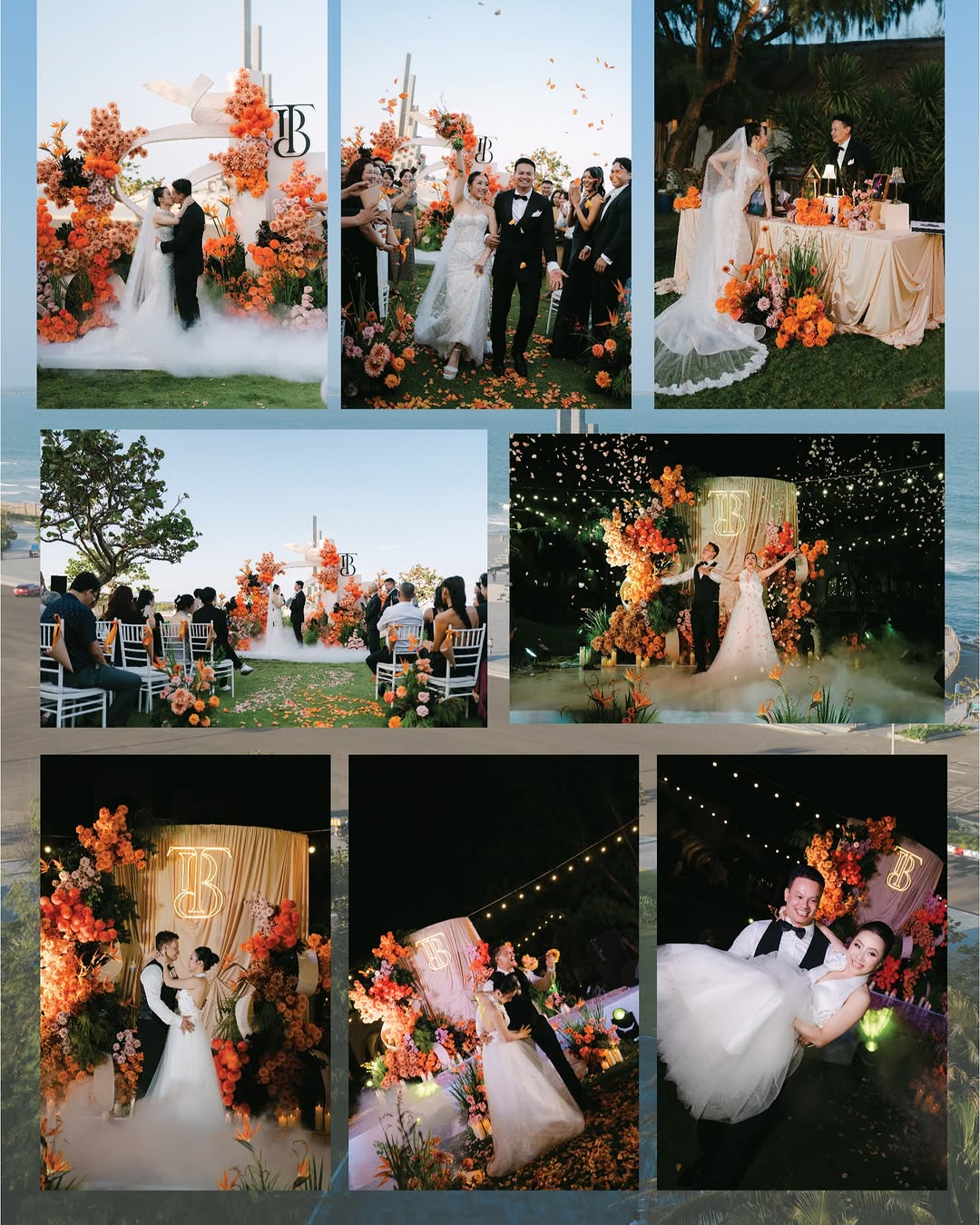
Why Are Beach Wedding Decorations and Outdoor Weddings Becoming Increasingly Popular?
The greatest appeal of a beach wedding lies not in the quantity of flowers or the scale of the stage, but in its ability to let nature become an integral part of the wedding-day story. The sea adds depth to the setting, natural light continuously changes throughout the day, while the breeze and sound of the waves create an atmosphere unlike that of an enclosed ballroom.
For many couples, this is also an opportunity to transform their wedding day into an immersive experience. Guests do more than attend the ceremony and enjoy the reception; they can watch the sunset together, savor cocktails, join a welcome party, or spend a weekend at the resort. Therefore, today's outdoor wedding decoration ideas are often developed alongside the guest experience journey rather than focusing solely on the main stage.
However, open-air settings also expose every issue involving proportions, materials, and technical execution. A backdrop that looks beautiful in a design rendering may appear too small against an expansive horizon. Flowers suitable for an air-conditioned room may quickly lose their color under the sun and sea breeze. That is why beach wedding design should begin with an on-site assessment rather than relying solely on a mood board.
The Elements of a Romantic Beach Wedding: Space, Emotion, and Personal Touches
A beach wedding with depth and character is typically built around three layers. The first is the natural landscape: the sea view, sunset direction, sandy terrain, greenery, and resort architecture. The second is the design: colors, flowers, materials, furniture, lighting, and visual accents. The third is the couple's personal story.
When these three layers come together, the setting feels natural rather than artificially staged for photographs. For example, for a couple who love traveling to the coast, The Pine can incorporate elements of their journeys, meaningful destinations, or shared memories into the stationery, welcome signage, table names, or guest favors instead of relying on obvious, formulaic seaside symbols.
A beautiful setting creates the first impression. But a personal story is what makes guests remember a wedding for years to come.
The Pine Wedding Planner Turns Love Stories into Works of Art Through Unique Decoration Concepts
Rather than simply asking couples what color flowers they want, The Pine usually explores their lifestyles, how they met, places that hold special meaning, the emotions they hope to evoke on their wedding day, and the experience they want to create for their guests. Based on these insights, the team develops a cohesive concept, color palette, mood board, materials, and a unified system of guest touchpoints.
Within the service full-service wedding planner, decoration cannot be separated from the budget, timeline, and event operations. A design is truly suitable only when it is beautiful, can be installed within the available timeframe, fits the budget, and does not create additional pressure for the bride and groom on their wedding day.
Beach Wedding Decoration Ideas with Artistic Styles and Romantic Color Palettes
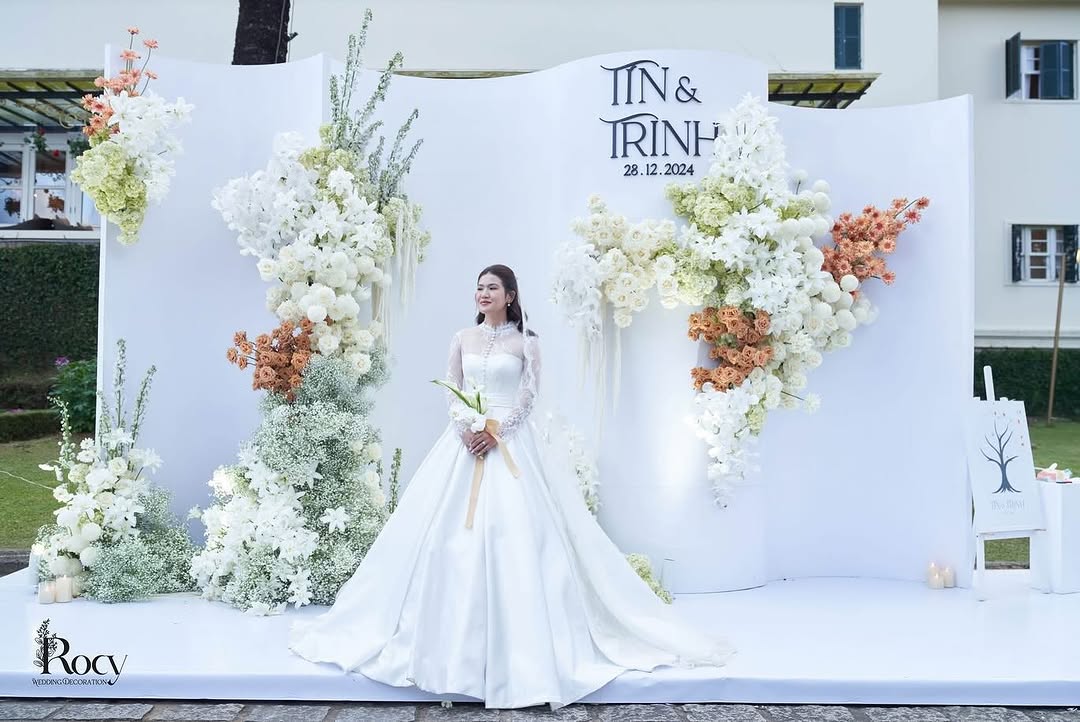
Outdoor Wedding Decoration Color Palette: Warm Amber, Ivory, White & Sage Green for an Elegant Setting
Wedding decoration colors for outdoor celebrations should be selected based on the actual lighting conditions at the venue. The same color palette can create three different atmospheres under midday sunlight, at sunset, and under artificial evening lighting.
Warm Amber combined with Ivory is particularly suitable for receptions that begin in the late afternoon. Cream, champagne, light brown, and amber tones blend with the colors of the sunset to create a warm and luxurious atmosphere. As evening arrives, a warm lighting system continues this emotional progression.
White & Sage Green is ideal for couples who prefer an elegant, gentle aesthetic that feels close to nature. White creates an airy atmosphere, while sage green connects the design with surrounding greenery and landscapes. For beaches with strong blue tones, The Pine usually limits the number of additional colors to prevent the overall look from becoming visually cluttered.
A useful principle is to select one dominant color accounting for approximately 60%, one supporting color accounting for around 30%, and an accent color group accounting for approximately 10%. This is not a mandatory formula, but it helps the design team maintain consistency across the floral entrance, ceremony area, reception tables, stationery, and lighting.
Wedding Ceremony Area Design: Floral Arches, Aisles, Backdrops, and Stages Blended with the Natural Landscape
In beach wedding decorations, the most beautiful landscapes should generally remain unobstructed. Therefore, instead of using an oversized solid backdrop, The Pine favors open structures, soft curves, or asymmetrical floral arrangements that preserve the horizon in the background.
The ceremony aisle must also be planned according to actual proportions. An aisle that is too short makes the bride's entrance pass very quickly, while one that is too long can be challenging when the surface is sand. Floral arrangements along the aisle should be securely fastened and must not obstruct the wedding dress, filming crew, or guests.
If a stage is planned for the reception, the ceremony and reception areas should be clearly distinguished. A large stage is not always necessary. For intimate weddings, a small performance area, a good sound system, and properly positioned lighting can create a stronger emotional impact than an imposing structure.
Outdoor Wedding Table Decorations: Premium Fresh Flowers, Candles, Lighting, and Guest Experiences
Outdoor reception table decorations must look beautiful up close while also remaining stable in windy conditions. Overly tall flower vases, lightweight candle holders, or unsecured menu cards can all become problems when the wind picks up.
The Pine typically designs tablescapes in multiple layers, including table linens or tabletop surfaces, flowers, candles, dining utensils, menus, name cards, and a signature detail that reflects the concept. Low floral arrangements are preferred for tables where guests need to interact frequently, ensuring their views are not obstructed. For long tables, a series of small floral arrangements can create a better visual rhythm than a few oversized centerpieces.
Real candles create a special atmosphere, but wind conditions and venue regulations must be considered. In some situations, high-quality flameless candles or small table lamps with warm lighting provide greater stability while preserving a romantic ambiance.
Popular Beach Wedding Concepts: Fine Art, Bohemian, Sunset Reception, and Coastal Garden
Fine Art is suitable for couples who appreciate sophistication, dimensional compositions, premium flowers, restrained colors, and carefully finished details. This concept typically features Ivory, Champagne, Dusty Rose, or Sage Green, combined with natural materials and warm lighting.
Bohemian is more free-spirited and can incorporate woven fabrics, wood, dried flowers, and organic lines. However, an upscale Bohemian beach wedding needs a restrained approach to avoid an overly decorative appearance.
Sunset Reception places sunset at the center of the guest experience. The ceremony, cocktail hour, and dinner timeline are planned backward from the sunset time. The lighting design must also transition smoothly from natural light to artificial lighting.
Coastal Garden combines the spirit of a garden with the atmosphere of the sea. This is an ideal choice for resorts with beachfront lawns, where couples want a refreshing green setting while retaining the relaxed character of a coastal retreat.
Complete Beach Wedding Decoration Services by The Pine Wedding Planner
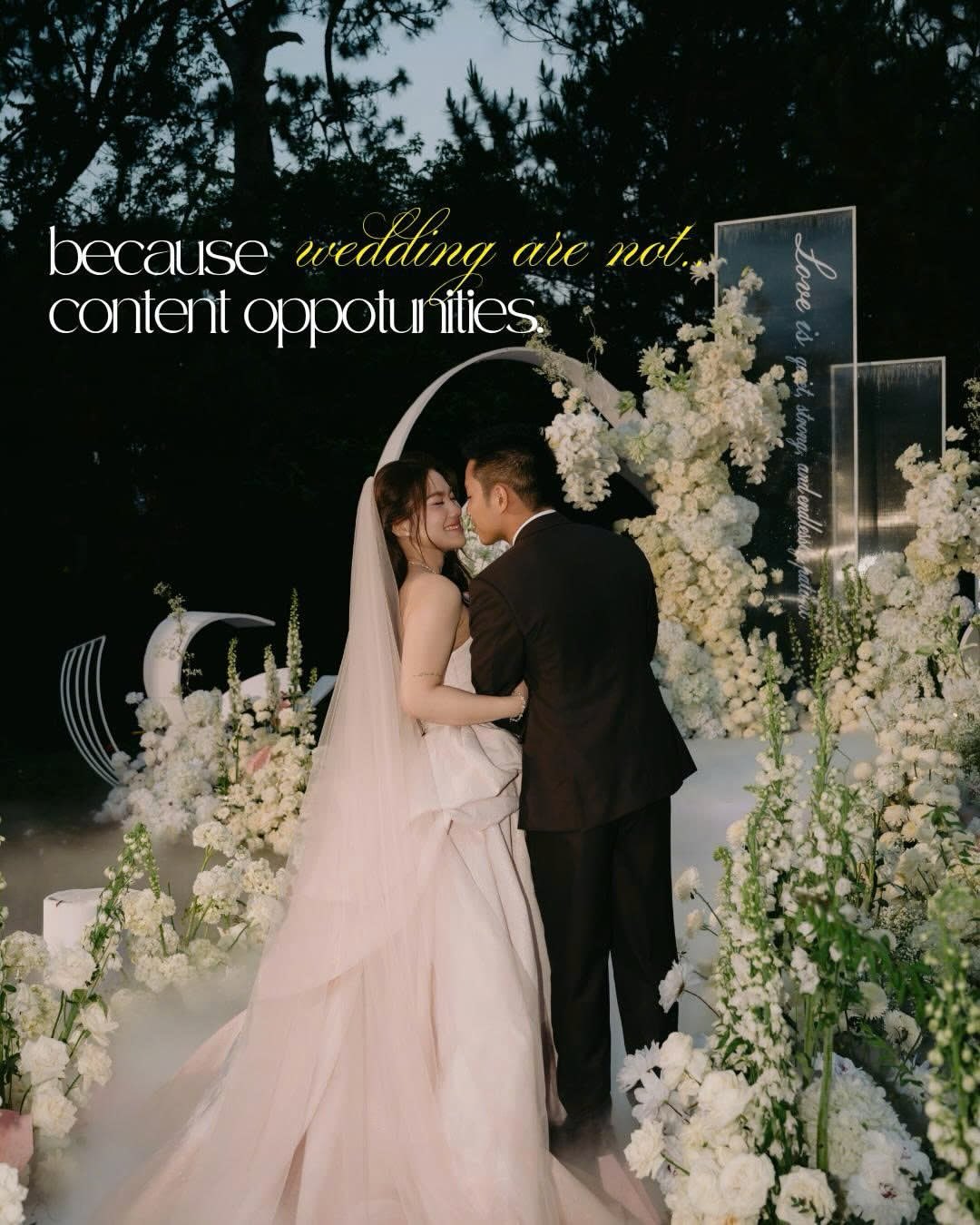
Concept Consultation, Moodboards, and Wedding Space Design Based on Each Couple's Unique Story
The first stage is defining the brief. The Pine clarifies the desired style, guest count, venue, schedule, budget, planned ceremonies, and meaningful details about the couple. A moodboard is then developed to establish a consistent aesthetic direction before moving into individual design elements.
A moodboard is more than a collection of reference images. A good creative direction should communicate the color palette, textures, floral styles, shapes, typography, lighting, and overall atmosphere. This helps prevent different vendors from interpreting the concept in completely different ways.
Outdoor Wedding Decoration Setup: Managing Materials, Fresh Flowers, and Every Aesthetic Detail
The installation process plays a major role in determining whether a design on paper can become reality. For beach weddings, structures must be assessed for wind resistance, materials must suit humid conditions, and flower delivery schedules must be carefully calculated to ensure the flowers are in their best condition when guests begin arriving.
The Pine divides the setup into individual areas with inspection checklists covering the ceremony, welcome area, photo area, reception, gallery table, dining tables, stage, signage, and lighting system. Each area has an assigned person in charge and a specific completion deadline to prevent work from piling up just before guests arrive.
Outdoor Wedding Lighting Coordination to Preserve Every Emotion from Sunset Through the Evening
Outdoor wedding lighting does more than simply illuminate the space. It guides emotions and determines how the setting appears in photographs, videos, and guests' direct experience.
The Pine typically divides lighting into several layers: functional lighting for walkways and service areas, focused lighting for the stage or the couple's table, decorative lighting for trees, backdrops, and reception tables, and atmospheric lighting such as string lights or table lamps.
In a seaside environment, Outdoor electrical safety must be given priority when arranging equipment. Electrical cables, power sources, equipment locations, and protective measures for changing weather conditions must be coordinated with the technical team and venue well before the setup day.
Incorporating Ancestral Worship Ceremonies, Buddhist Wedding Blessings, or Traditional Marriage Ceremonies into a Modern Beach Wedding
A modern wedding does not necessarily need to be separated from tradition. Many couples choose to hold their traditional family ceremony at home before traveling to a resort, while others incorporate meaningful family rituals into their outdoor ceremony.
When developing the design, The Pine pays attention to ancestral altar ceremony, the roles of both families, and the sequence of rituals to ensure that the aesthetic presentation does not diminish their cultural significance. Colors and materials can be modernized while still maintaining the necessary sense of formality and respect.
Beach Wedding Decoration Costs and How to Create an Optimized Wedding Budget Without Unexpected Expenses
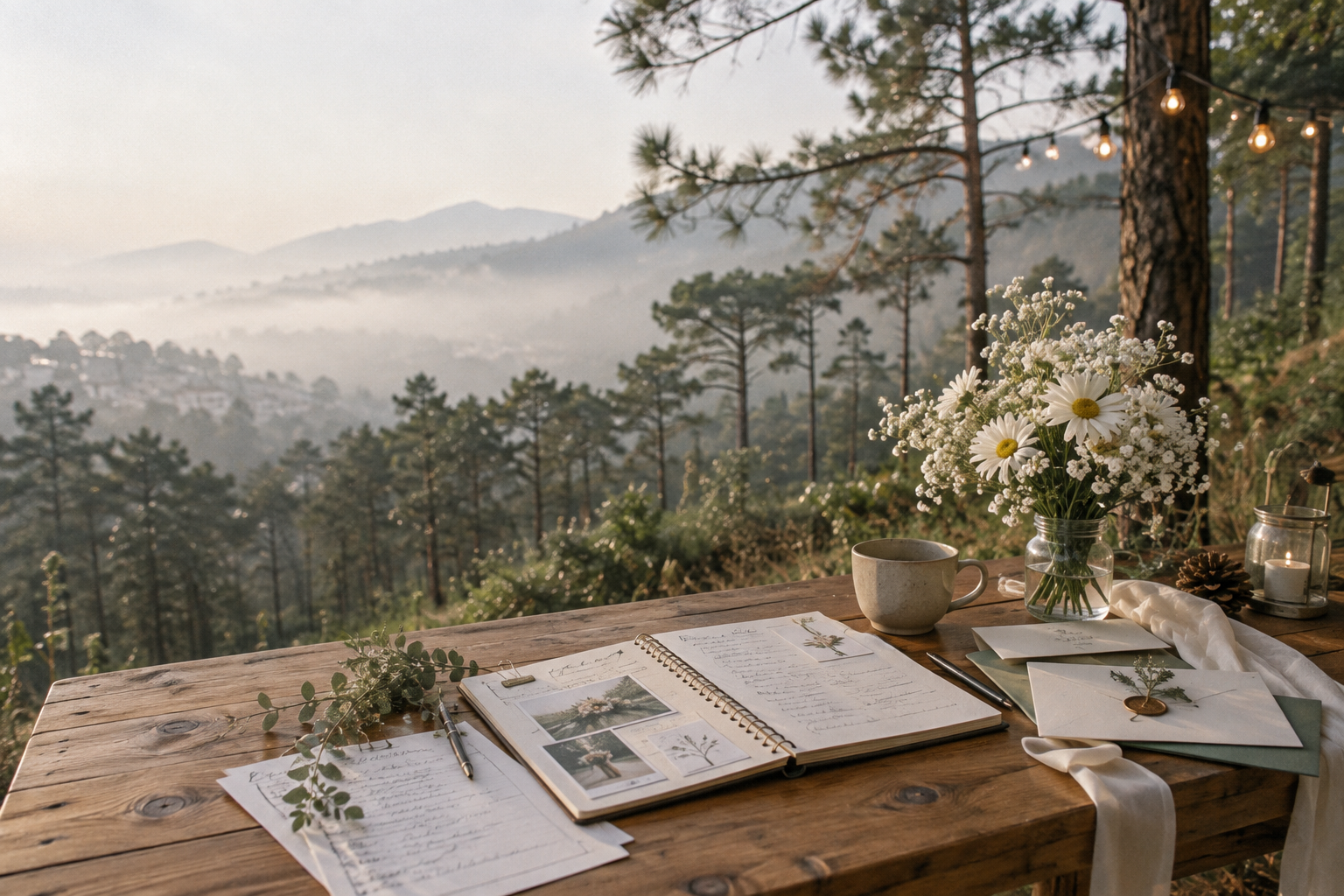
Factors Affecting Beach Wedding Decoration Costs: Venue, Scale, and Concept
The cost of a beach wedding should not be evaluated solely by guest count. Two weddings with 150 guests can have very different decoration budgets if one uses imported flowers, custom-designed structures, and complex lighting, while the other makes the most of the natural landscape and focuses on a few key visual highlights.
The factors that have the greatest impact on the budget include transportation distances, permitted setup time, the resort's technical requirements, structural construction volume, the proportion of fresh flowers, the number of tables, sound and lighting systems, and staff accommodation requirements.
One frequently overlooked expense is logistics. For weddings held far from the city, couples should account from the outset for transportation, loading and unloading, accommodation, waiting time, and post-event cleanup rather than focusing only on the decoration quotation.
Practical Wedding Planner Budget Breakdown: Decor, Flowers, Lighting, Reception Tables, and Operations Staff
Instead of applying a fixed figure to every wedding, The Pine recommends dividing the total decoration budget into categories for easier management. For example, if the decoration budget is considered 100%, a reference allocation could be structured as follows:
- 8% for concept development, design, and moodboard creation.
- 28% for fresh flowers and botanical materials.
- 20% for structures, backdrops, floral entrances, and construction items.
- 15% for lighting systems and related technical requirements.
- 12% for reception table decorations, stationery, and small details.
- 9% for transportation, logistics, and loading and unloading.
- 8% for setup staff, dismantling, and operational contingency expenses.
Actual proportions will vary depending on the concept. A flower-intensive Fine Art wedding may allocate a larger share to floral arrangements, while a Sunset Reception may require greater investment in lighting and technical equipment. The important thing is to evaluate every change against the total budget rather than making decisions about individual items in isolation.
How The Pine Wedding Planner Manages Budgets Transparently to Optimize Wedding Costs by 15–20%
During the process full-service wedding planner, The Pine develops a Budget Plan organized by expense category, priority level, and payment schedule. When the budget for one item increases, the team can immediately assess its impact on other items and work with the couple to make adjustments before signing agreements with vendors.
The goal of optimizing costs by 15–20% is approached through selecting the right vendors, avoiding overlapping services, making use of resources already available at the venue, controlling the number of design revisions, and prioritizing the budget for elements guests will actually see or experience. Actual savings depend on the scale, location, timing, and individual requirements of each wedding, so The Pine does not treat this as a fixed figure applicable to every project.
A good Budget Plan should also include a contingency fund. For outdoor weddings, setting aside a percentage in advance for tents, shelters, additional technical equipment, or logistical changes is generally safer than allocating the entire budget to visible decorative elements.
Professional Beach Wedding Planning and Decoration Process: From Initial Ideas to the Big Day
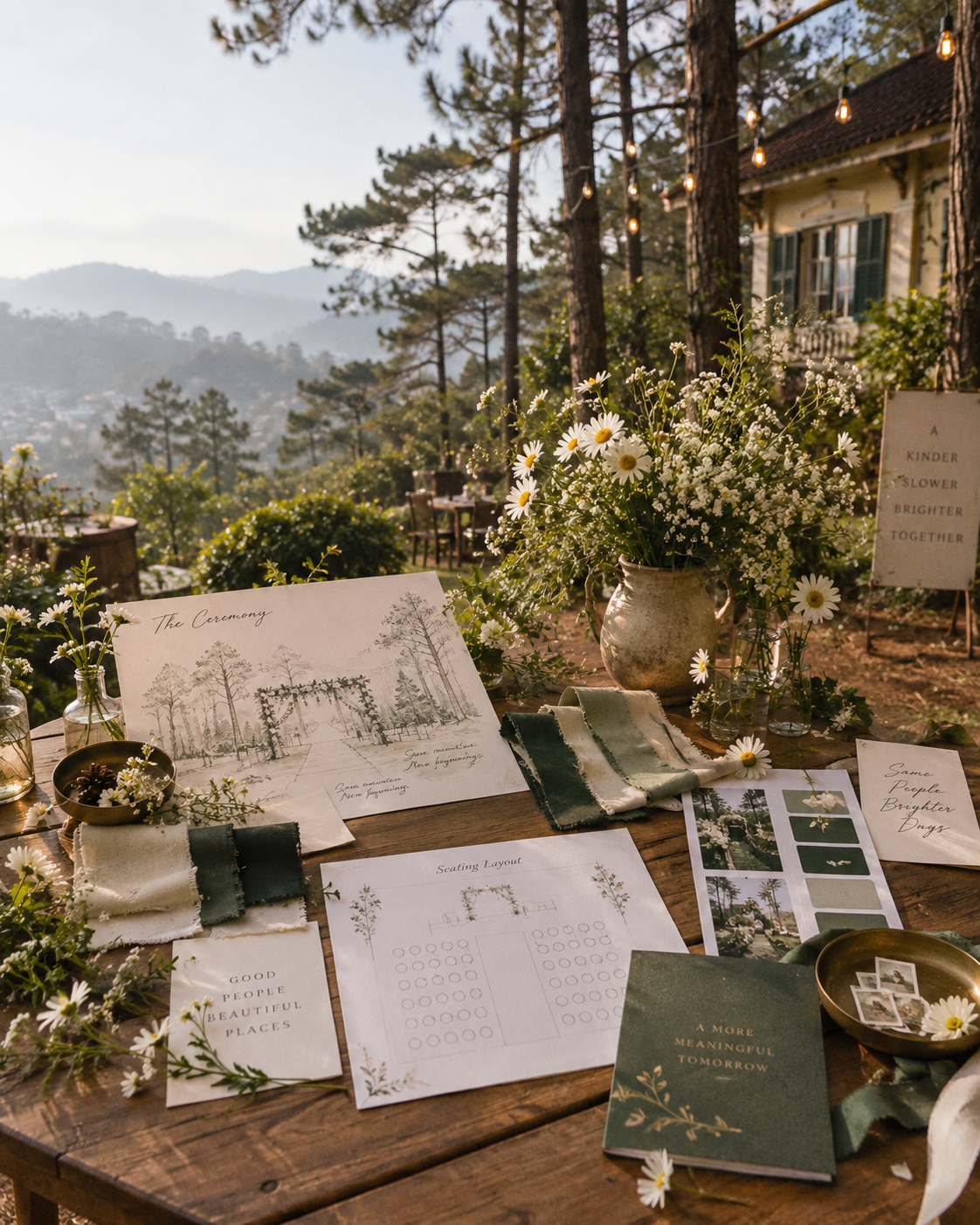
Step 1: Survey the Venue, Analyze the Space, and Develop a Suitable Concept
A venue inspection is a step The Pine does not recommend skipping. The team needs to identify the direction of sunlight and wind, equipment transportation routes, power sources, material staging areas, guest movement routes, ceremony and reception locations, and backup spaces in case the weather changes.
The concept is only finalized after these conditions have been verified. This approach helps prevent situations where a design looks beautiful on a moodboard but requires major changes during actual implementation.
Step 2: Plan the Budget, Select Vendors, and Finalize the Detailed Design
After the creative direction is approved, the budget is divided into categories and vendors are selected based on their ability to meet the concept, scale, and venue requirements. The lowest price is not always the best choice if a vendor lacks outdoor setup experience or cannot meet the resort's timeline.
At this stage, the design needs to specify each individual area, the number of tables, flower varieties, structural dimensions, lighting plan, and material list. The clearer everything is before the wedding day, the fewer last-minute decisions will need to be made on-site.
Step 3: Set Up the Venue, Rehearse the Timeline, and Check Every Detail Before the Wedding
Setup day usually begins with structural and technical installations before flowers, reception tables, and stationery are finalized. The Pine inspects each area using a checklist while coordinating with the venue, catering team, audio and lighting technicians, MC, band, photographer, and other relevant vendors.
The rehearsal does not necessarily need to be lengthy, but it must cover key moments: the bride's entrance, music cues, microphones, family positions, ring exchange, speeches, the transition from ceremony to reception, and weather-related situations that may trigger Plan B.
Step 4: Coordinate Every Aspect of the Wedding Day So the Couple Can Fully Enjoy Every Moment
On the wedding day, the planner's job is not to appear in every photograph but to ensure that every operational element runs at the right time. One person manages the timeline, one team coordinates vendors, another team stays close to the couple and their families, while unexpected situations are handled behind the scenes.
That is also why many couples choose coordination services or full-service wedding planner: instead of constantly checking the time, calling vendors, or answering technical questions, they can focus on their families, friends, and once-in-a-lifetime moments.
Practical Tips for Planning Beach Weddings and Outdoor Wedding Receptions in Vietnam
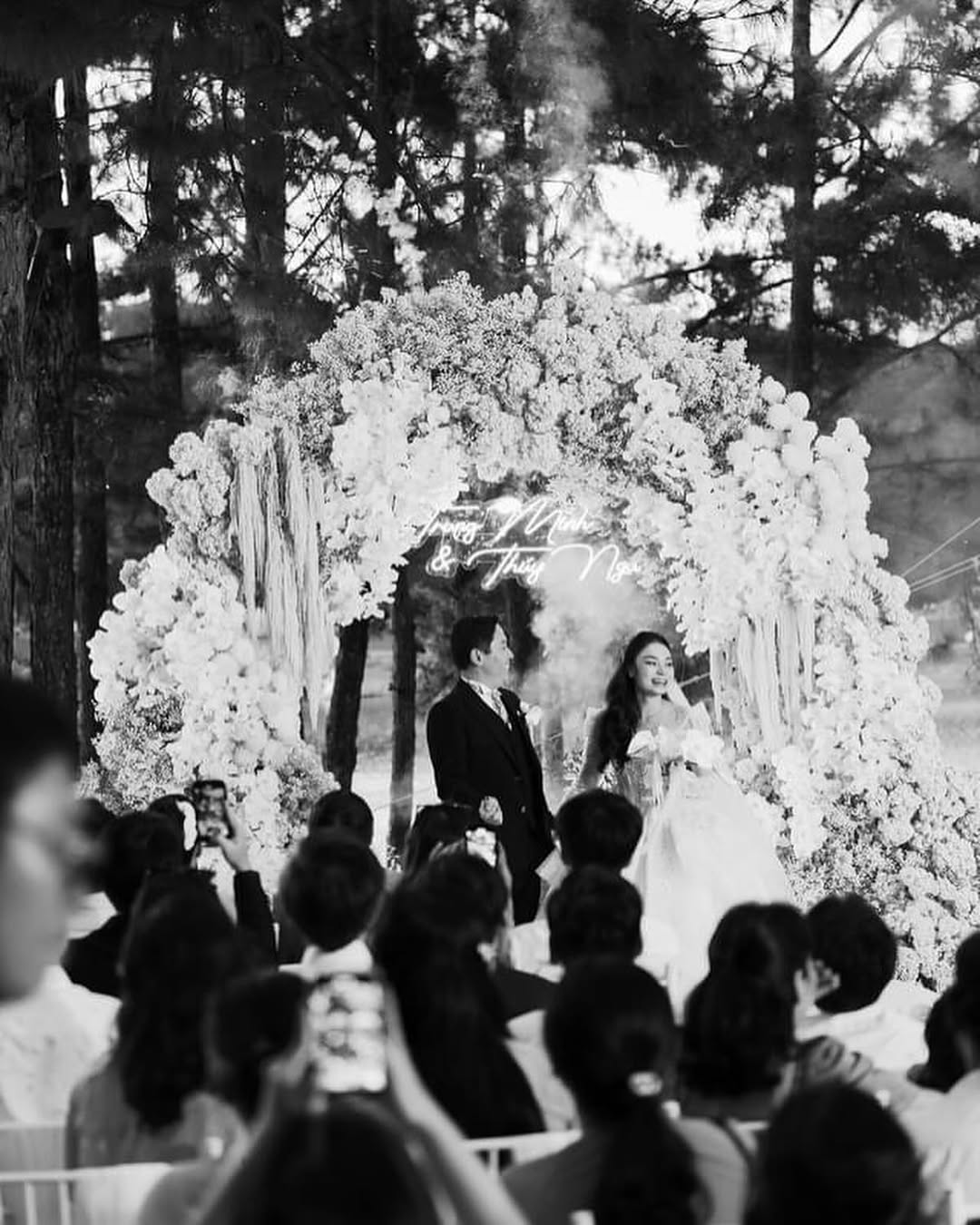
How to Choose the Right Venue: Beaches, Gardens, Resorts, and Outdoor Spaces in Da Lat
The right venue is not simply a place with beautiful scenery. Before making a decision, couples should check capacity, permitted event hours, sound restrictions, power supply, structural installation permissions, external vendor policies, equipment transportation routes, and contingency arrangements.
For coastal resorts, additional considerations include tides, wind, and the distance between guest rooms and the reception area. For gardens or outdoor venues in Da Lat, the main concerns are evening temperatures, humidity, sudden rainfall, and guests' experience moving across sloping terrain.
Restrictions on event hours or local noise regulations should also be checked with the venue and its management team before finalizing the rundown, especially if the program includes a live band, DJ, or after-party.
Weather Contingency Planning: Rain, Strong Winds, and Unexpected Changes on the Wedding Day
Plan B should not simply be an assurance that the event will move indoors if it rains. A sufficiently comprehensive backup plan needs to specify the alternative venue, revised seating layout, procedures for relocating flowers and equipment, minimum transition time, decision-maker, and final deadline for activating the contingency plan.
The Pine typically establishes decision points according to the timeline. If bad weather is forecast, the team continuously monitors conditions and communicates with the venue, technical team, and couple before a previously agreed cutoff time. This prevents the situation from being handled only after the rain has already started.
Wind is another risk that is often underestimated. Menus, name cards, flowers, candles, backdrops, and equipment must be secured appropriately. For large structures, technical considerations and safety limits must take priority over the desire to preserve the original design.
Important Considerations for Guests, Sound, Lighting, and Transportation at an Outdoor Wedding
A beautiful wedding that requires guests to walk too far across the sand, leaves them unsure where the restrooms are, or makes the ceremony difficult to hear is still an incomplete experience. Therefore, the guest journey must be designed alongside the decor.
- Provide information about suitable clothing and footwear if the ceremony takes place directly on the sand.
- Arrange drinking water or welcome drinks in the guest waiting area.
- Provide clear signage for the ceremony, reception, restrooms, and transportation areas.
- Check sound quality from the farthest seating positions, not just in front of the stage.
- Ensure walkways have sufficient lighting after sunset.
- Prepare suitable arrangements for elderly guests, young children, or guests with mobility difficulties.
These details rarely appear in moodboard photographs, yet they determine how guests actually experience the event. For The Pine, spatial design and guest experience operations must always be considered as one integrated system.
The Pine Wedding Planner – A Custom Beach Wedding Decoration Service for Unforgettable Love Stories
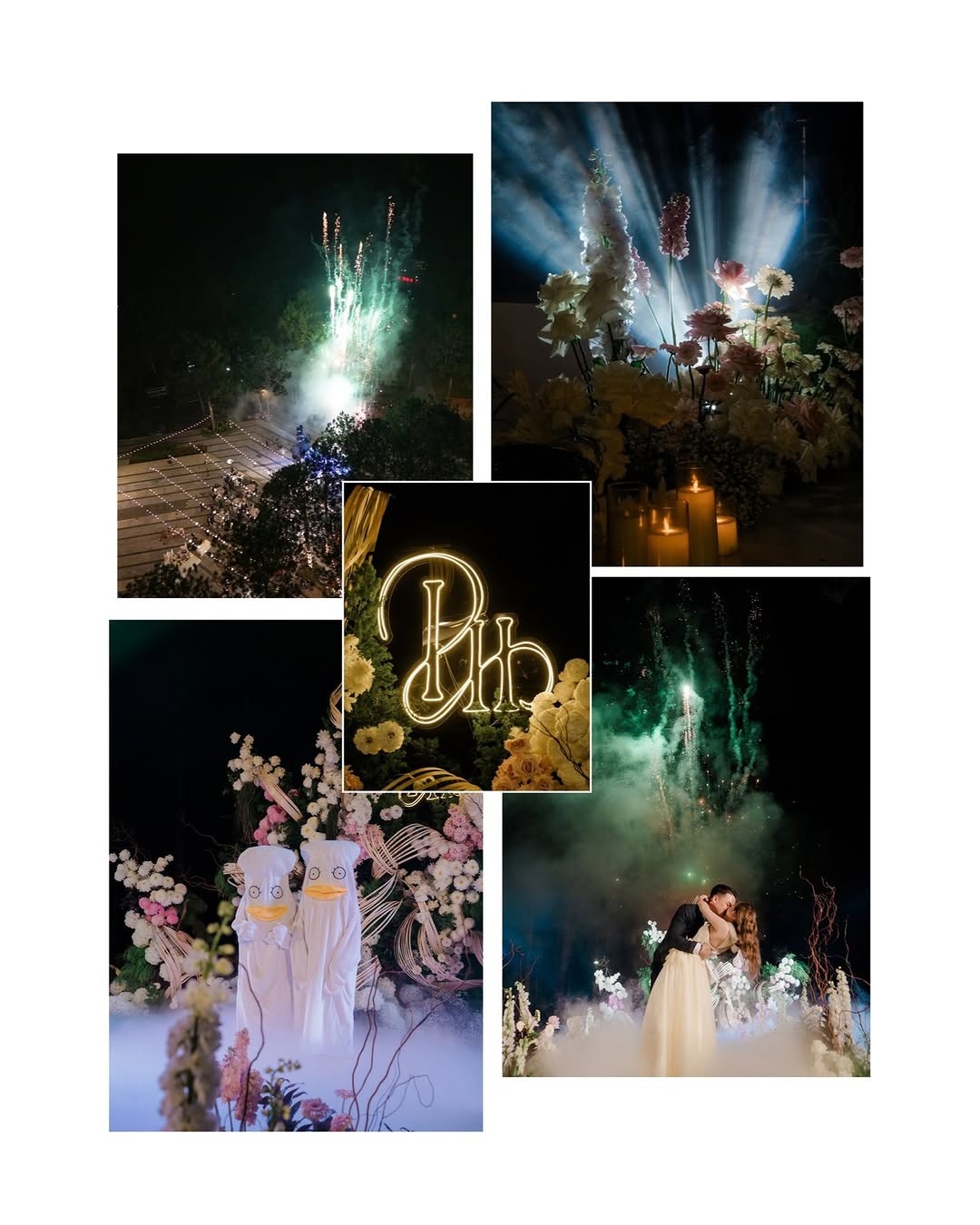
From Concept to the Perfect Wedding Day: Supporting Couples in Da Lat and Ho Chi Minh City
The Pine Wedding Planner accompanies couples from the early stage of having scattered ideas until their concept, budget, vendors, and timeline become one cohesive plan. With experience working in outdoor venues and understanding the distinctive climate of Da Lat, the team pays particular attention to design feasibility and contingency arrangements.
In Ho Chi Minh City and destination wedding locations, the principles remain unchanged: conduct a site inspection before designing, establish the budget before finalizing individual items, and consider event operations from the moment the concept is still on the moodboard.
Full-Service Wedding Planner Expertise: Creativity, Management, and Coordination Backed by Hands-On Experience
A good planner does more than come up with beautiful ideas. The work also includes preparing a Budget Plan, selecting vendors, monitoring contracts and deadlines, developing the rundown, conducting rehearsals, handling changes, and ensuring that dozens of tasks work together toward one cohesive experience.
With the service full-service wedding planner, The Pine places three elements side by side: aesthetics, budget, and operations. Whenever a design decision changes, the team simultaneously evaluates its impact on costs, the timeline, and the guest experience before making a recommendation to the couple.
Every Wedding Is a One-of-a-Kind Work of Art, Thoughtfully Designed to Be Emotionally Rich and Truly Unique
The Pine believes that beach wedding decorations the most beautiful wedding is not a copy of a trending image, but a setting that makes the couple feel it truly tells their own story. Some weddings call for an impressive stage, while others need only a thoughtfully proportioned floral entrance, reception tables beneath warm lights, and a moment when the entire family watches the sun set together.
Therefore, before deciding on the color palette or the number of flowers, start with three questions: What do you both want to remember most about your wedding day? What do you want your guests to feel? And which elements are truly worth investing in? When the answers are clear, the concept, budget, and guest experience can be brought together into a cohesive whole.
If you are planning a beach wedding, outdoor wedding reception, or destination wedding and need a team capable of designing, managing the budget, and coordinating the entire wedding day, The Pine Wedding Planner can work with you to develop a solution from concept through to the event itself. Every plan is developed around the venue, budget, guest count, and the couple's personal story, ensuring that the wedding is not only beautiful in photographs but also genuinely relaxing as you live through every moment.
