

On a wedding day, some moments last only a few minutes yet remain cherished memories for the entire family for years to come. The ancestral altar ceremony is one such moment: when the bride and groom formally present themselves before their ancestors, receive blessings from their parents, and begin a new chapter in the relationship between their two families. However, behind a solemn and emotional ceremony lies a series of details that need to be prepared, from the ancestral altar, ceremonial gift trays, tea and wine, fresh flowers, and guest reception area to the ceremony timeline. This article helps couples view the ancestral altar ceremony as a complete system, covering rituals, aesthetics, budget, and wedding-day operations.
What Is the Gia Tien Ceremony? Its Traditional Significance and Role in Modern Weddings
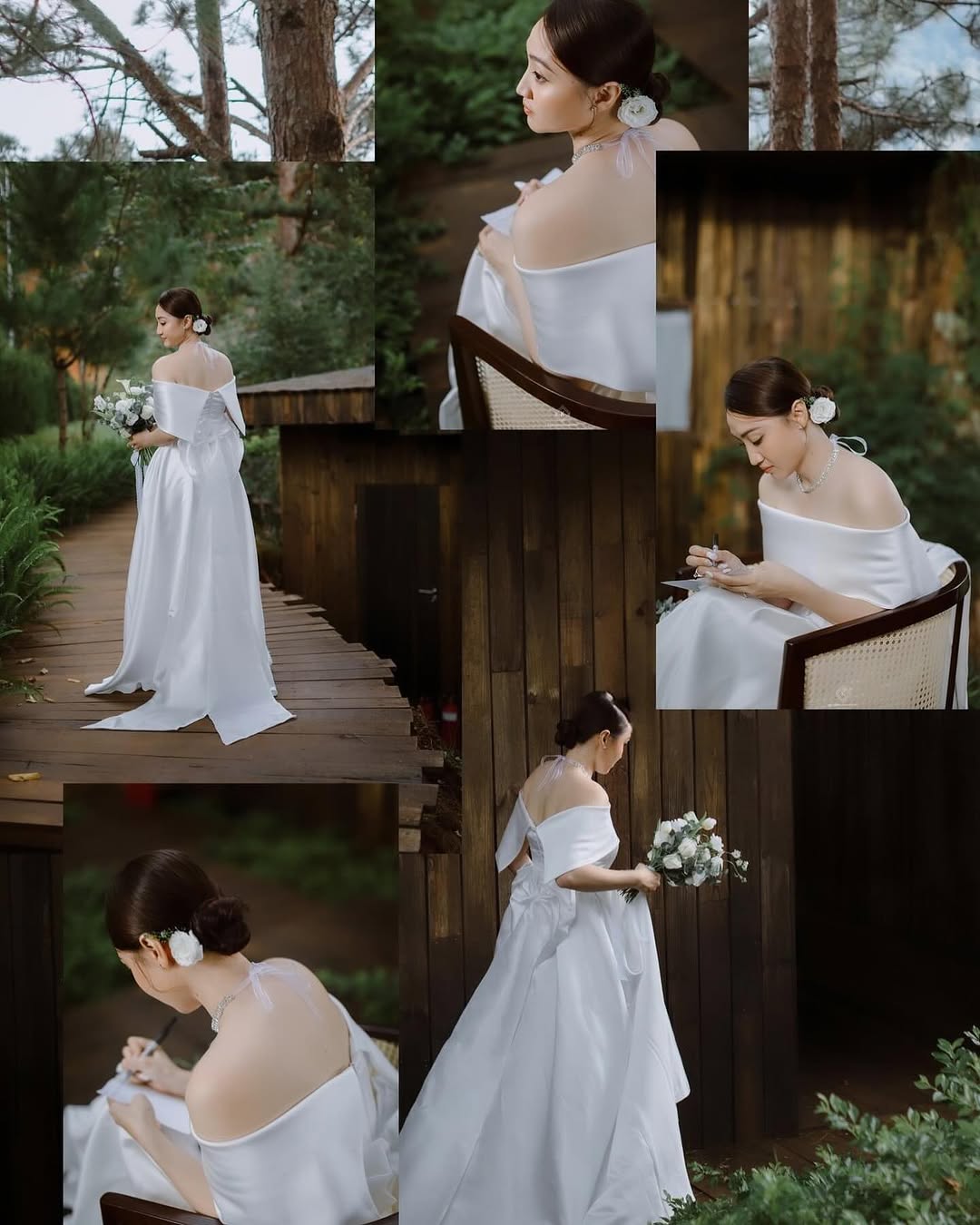
The Significance of the Gia Tien Ceremony in Bringing Two Families Together and Honoring Ancestors
When planning the ancestral altar ceremony, The ancestral altar ceremony is a traditional ritual performed before the ancestral altar on the wedding day, usually attended by the bride, groom, their parents, family representatives from both sides, and close family members. Depending on the region, religion, and customs of each family, the sequence may vary, but the shared spirit remains the same: announcing the wedding to the ancestors, expressing gratitude to previous generations, and seeking their blessings and witness for the marriage.
For ancestral altar ceremony services, from the perspective of traditional Vietnamese wedding rituals, this is not merely a formality before the wedding reception. The ceremony marks the moment when two individuals enter married life with the recognition and connection of their families. Therefore, a beautiful ancestral altar ceremony does not necessarily need to be extravagant. Instead, it should create an atmosphere that is respectful, appropriate to family hierarchy, faithful to tradition, and allows enough quiet moments for everyone present to truly appreciate the significance of the occasion.
Especially for families who place great importance on ancestral worship traditions, preparing the ceremonial space requires careful consideration. The planner and decoration team should consult the family in advance about the altar's location, items that may be moved, incense-lighting customs, the person leading the ceremony, and any family-specific taboos rather than applying one standard ceremony template to every wedding.
What Makes a Premium Gia Tien Ceremony: Solemnity, Emotion, and Aesthetic Appeal
A luxury ancestral altar ceremony is not defined by the number of flowers or the size of the budget. True luxury lies in the level of refinement and consistency between the ceremony, setting, aesthetics, and family experience. When guests enter the home, they should feel that this is a special occasion without feeling that the space has been transformed into an unfamiliar stage that no longer resembles the homeowner's own home.
The Pine typically approaches the space through three layers. The first layer is the ceremonial area, including the ancestral altar, ceremonial table, and the positions of the bride and groom. The second layer is the reception area, including the floral entrance, welcome signage, reception table, and photo area. The third layer is the circulation flow for family members, the event team, and guests. If investment focuses solely on decoration without considering how people move through the space, even a beautiful setting can become crowded, difficult to coordinate, or disruptive to the ceremony.
A truly sophisticated ancestral altar ceremony is one in which every detail appears at the right moment, yet none of them overshadows the family's emotions.
Why Artistic Fresh Flower Decorations for the Gia Tien Ceremony Are Increasingly Popular Among Couples
Fresh flowers can soften a space, create visual depth, and bring a sense of vitality that many industrial decorative materials cannot replicate. For ancestral altar floral decorations, the goal is not to cover every surface with flowers but to place them at the right focal points: around the ancestral altar, on both sides of the ceremonial table, at the entrance, on the tea table, or at other points that create visual connections.
The Fine Art style is well suited to ancestral altar ceremonies because it combines solemnity with natural beauty. Color palettes such as Warm Amber & Ivory or White & Sage Green can create a gentle, luxurious atmosphere without compromising traditional values. However, the palette should be selected based on the wall colors, interior materials, lighting, and family attire rather than relying solely on reference images found online.
Essential Preparations for the Gia Tien Ceremony and Premium Ancestral Altar Decorations
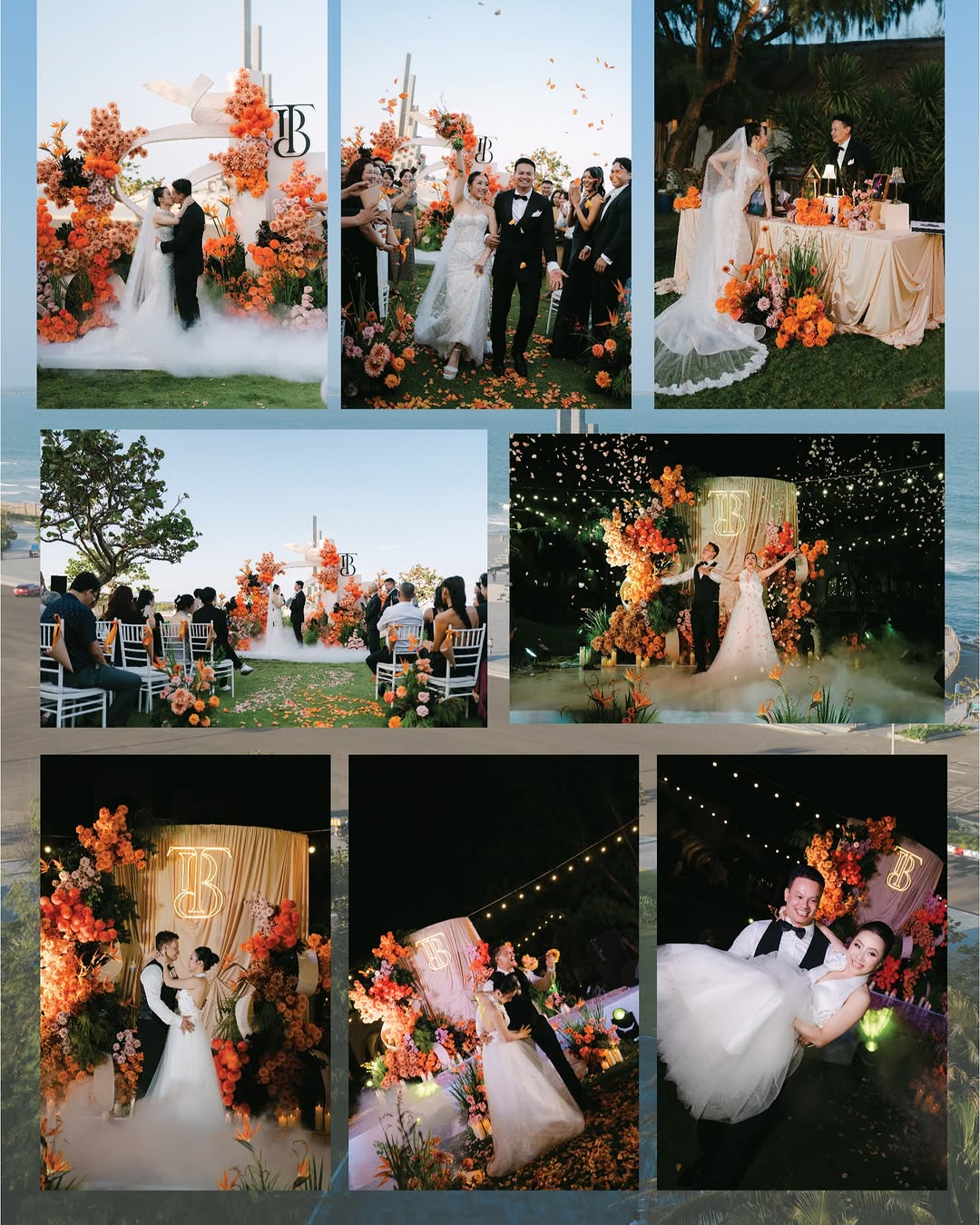
Gia Tien Ceremony Checklist: Ancestral Altar, Ceremonial Table, Fruit Trays, Tea, Wine, and Ritual Offerings
To ensure the ancestral altar ceremony runs smoothly, the checklist should be finalized before the wedding day rather than reviewed that morning. A basic checklist may include:
- Ancestral altar area: Clean and arrange the altar, check the incense burner, candlesticks, lamps, flowers, and worship items according to family traditions.
- Ancestral ceremonial table or ritual table: Ensure that its dimensions suit the space, its colors are harmonious, and it does not obstruct walkways.
- Ceremonial gift trays: Confirm the quantity, contents, person responsible for delivery and collection, and placement before the ceremony begins.
- Tea, wine, and serving equipment: Prepare enough cups, trays, tea, water, wine, and designated personnel to serve during the ceremony.
- Fresh Flowers: Altar flowers, ceremonial table flowers, entrance flowers, and other necessary decorative accents.
- Seating and positions for elders: Prioritize grandparents, parents, and elderly family members.
- Sound system if needed: Test the microphones if the space is large or the number of guests is substantial.
- Timeline: Determine the groom's family's arrival time, ceremonial gift tray exchange, ceremony duration, family photography schedule, and departure time for the next activity.
The important thing is to assign one person as the final person responsible for each checklist item. If individual tasks are assigned to different people without an overall coordinator, the risk of overlooking something remains high.
Designing Floral Decorations for the Ancestral Altar: Balancing Traditional Elegance with Fine Art Style
In luxury ancestral altar decorations, the design team should avoid two extremes: being so traditional that the bride and groom's personalities are overlooked, or being so modern that the space loses its necessary solemnity. A good design usually preserves the family's meaningful traditional structures while incorporating flowers, fabrics, lighting, and decorative materials as complementary layers.
For example, in a home with a traditional wooden ancestral altar, replacing the entire background with a modern backdrop may diminish its original character. Instead, the team can use fresh flowers, ceramic vases, soft fabrics, or lightweight framing structures to create depth while keeping the ancestral altar as the central focal point.
This is also why ancestral altar decoration services should begin with an on-site inspection. Even a small difference in ceiling height, door placement, floor color, or lighting direction can significantly change a design concept when it is brought to life compared with its original moodboard.
Choosing the Right Color Palette, Fresh Flowers, and Decorative Materials for Townhouses, Villas, or Da Lat Weddings
For townhouses, the main challenges are usually limited width and numerous fixed furnishings. Designs should prioritize vertical arrangements, airy floral compositions, avoid overly dense structures, and maintain clear walkways. White & Sage Green is an excellent choice for creating a sense of openness, especially in spaces with abundant natural light.
Villas offer more space and allow for multiple layers of scenery. The design can incorporate an entrance installation, gallery table, staircase flowers, and ancestral altar area, but these elements must be carefully balanced so that the different areas do not compete visually.
In Da Lat, fresh flowers and natural landscapes offer significant aesthetic advantages, but the climate requires the team to pay close attention to humidity, rain, wind, and temperature fluctuations. Flowers, fabrics, candles, and lightweight materials must be planned according to actual conditions, particularly when the ancestral altar or reception area includes open-air spaces.
The Process of Designing and Executing Artistic Gia Tien Ceremony Decorations with The Pine Wedding Planner
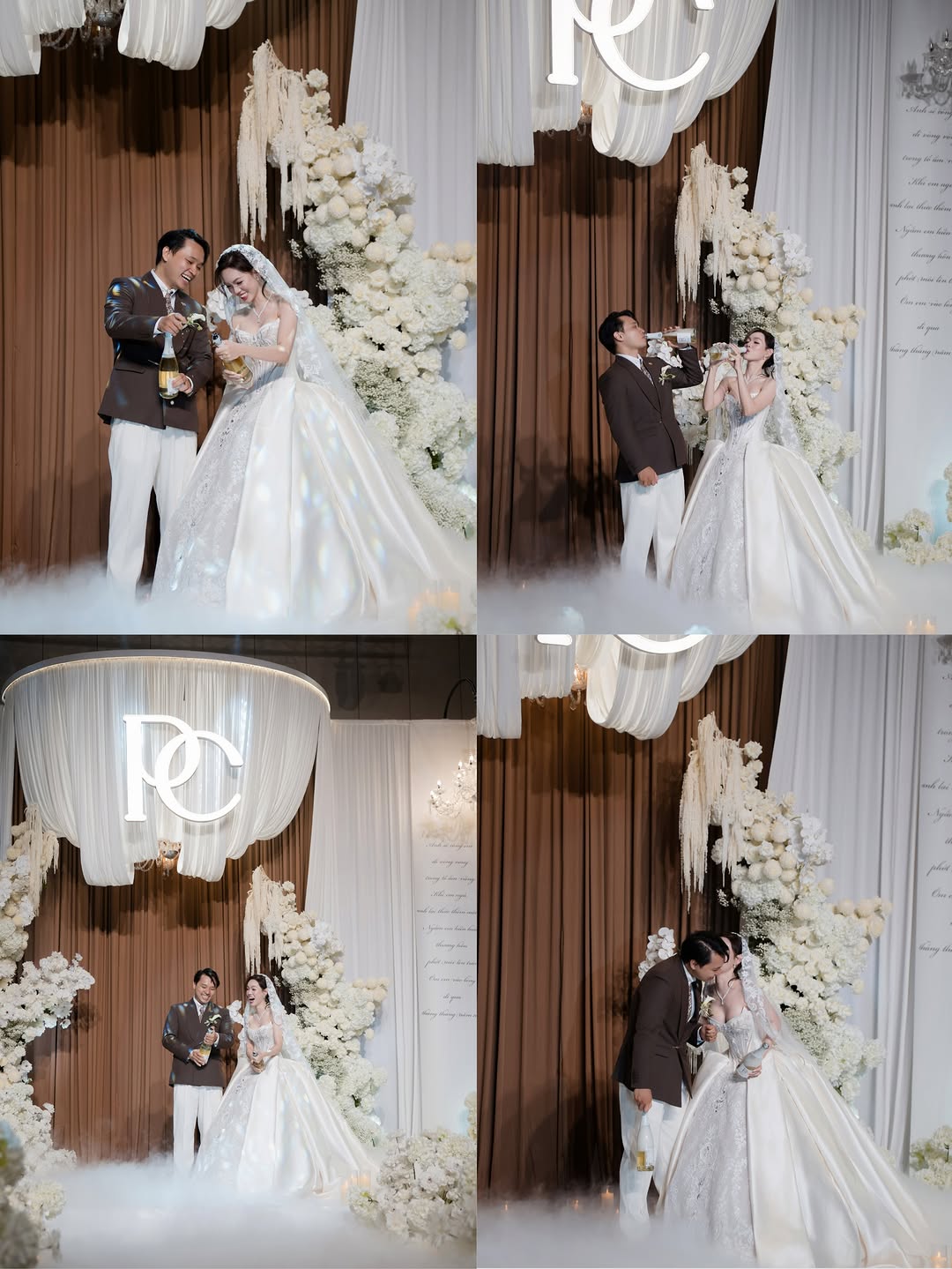
Step 1: Exploring Your Love Story and Creating a Unique Gia Tien Decoration Concept
The Pine begins by understanding not only the colors the bride and groom love but also their family structure, traditions, event space, and the emotions they wish to preserve. A concept may originate from the colors of flowers in the family garden, a cherished memory in Da Lat, or simply the desire for a warm, intimate ceremony that feels less formal yet remains truly dignified.
This approach ensures that ancestral altar decoration services does not become a matter of selecting an existing template and replacing it with the bride and groom's names. Every design should answer the question: Why are these colors, these flowers, and this arrangement suitable for the particular family hosting the wedding?
Step 2: Creating a Mood Board, Coordinating Fresh Flower Colors, and Developing a Detailed Space Layout Plan
After the consultation stage, a moodboard is developed to establish a consistent visual language. It should showcase the color palette, signature flowers, materials, lighting atmosphere, typography style, and key decorative elements. More importantly, the moodboard must be translated into a practical plan based on the actual dimensions and conditions of the venue.
At this stage, the budget must also be reviewed continuously. If a beautiful design significantly exceeds the agreed investment, continuing to develop it will only create additional pressure for the couple. A professional planner needs to identify which elements create the strongest visual impact so the budget can be prioritized accordingly, as well as which items can be simplified without compromising the concept's overall spirit.
Step 3: Installation, Arrangement of Gia Tien Floral Decorations, and Coordination of Wedding Day Rituals
Ancestral altar setup usually takes place within a relatively short timeframe and may require simultaneous coordination with multiple teams, including videography, photography, traditional attire, makeup, ceremonial gift trays, and catering. Therefore, the schedule must clearly allocate time for team arrival, structural installation, flower arranging, site cleanup, and final space handover.
With ancestral altar floral decorations, the team needs sufficient time to prepare the flowers, adjust the composition, and replace any stems that do not meet quality standards. Arranging flowers close to the ceremony time to maintain their freshness is only effective when all structural and logistical preparations have already been completed.
Step 4: Conduct a Final Inspection to Ensure Every Moment Unfolds Seamlessly and Emotionally
Before the family begins the ceremony, the planner should conduct a final inspection of the ancestral altar, ceremonial gift trays, tea and wine, parents' positions, the bride and groom's positions, walkways, video equipment, photography arrangements, and timeline. Even a small detail, such as a missing lighter, tea that has not been poured, or family representatives who have not been informed of the speaking order, can interrupt the emotional flow.
The goal of coordination is not to make the ceremony feel like a stage production, but to quietly eliminate operational problems so the family can focus entirely on the moment itself.
Ancestral Altar Decoration Price Guide and How to Plan a Transparent Budget While Minimizing Unexpected Costs
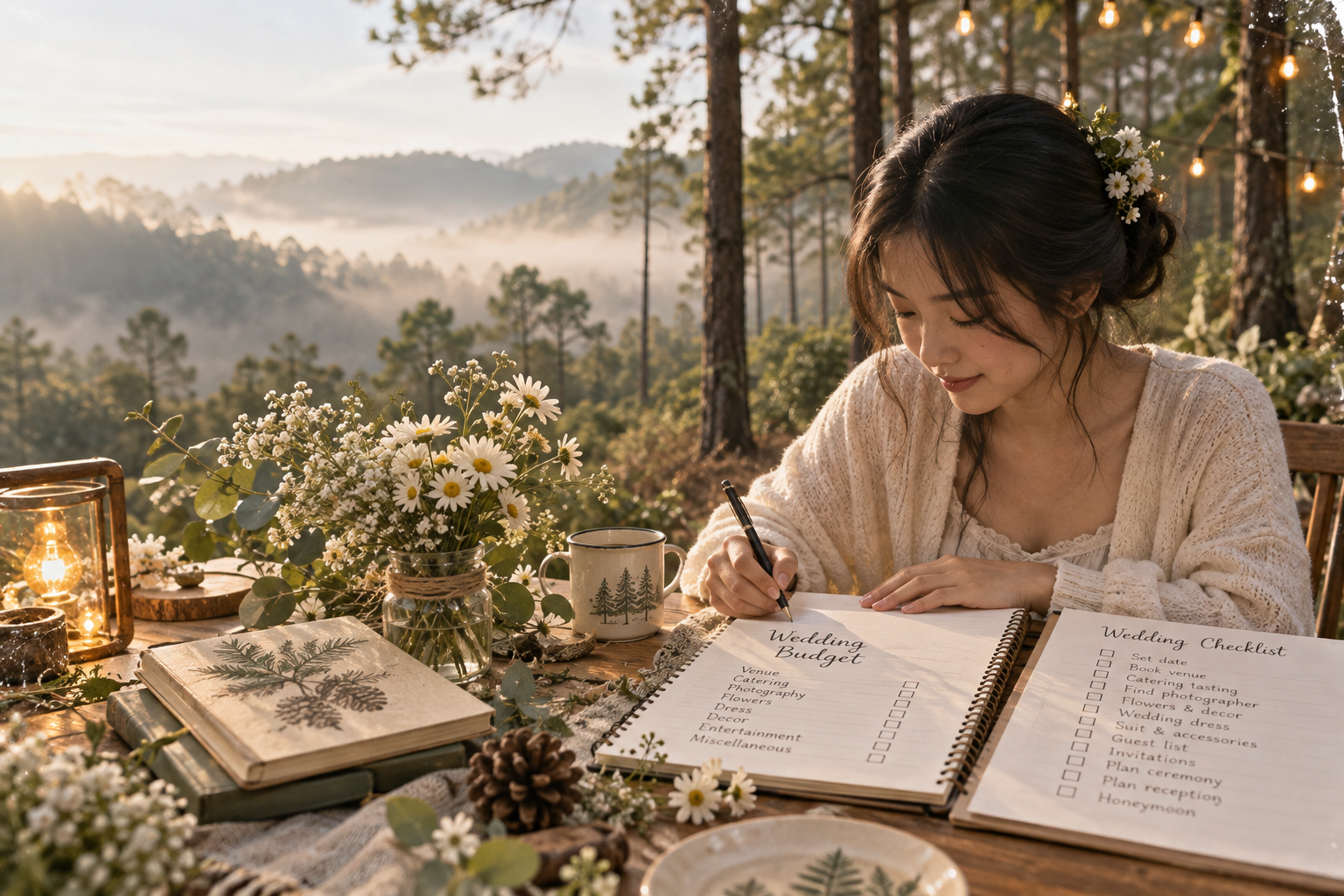
Factors Affecting Ancestral Altar Decoration Costs: Scale, Fresh Flowers, Style, and Level of Personalization
There is no single ancestral altar decoration price list that suits every space does not exist because the total budget depends directly on the scope of the design. Two families may both host their ceremonies in townhouses, but if one only needs an ancestral altar table and entrance decorations while the other requires an additional gallery, reception table, staircase floral arrangements, and photo area, their costs will inevitably differ.
Ancestral altar decoration costs are generally influenced by four main factors: the number of decorative elements, the types and quantities of fresh flowers, the complexity of the installation structures, and the level of personalization. Additional logistical factors include installation time, event location, transportation, dismantling requirements, and site accessibility.
How The Pine Wedding Planner Builds Wedding Budgets and Effectively Optimizes Ancestral Altar Decoration Costs
The Pine prioritizes finalizing the project scope before moving on to material selection. This helps prevent the continuous addition of items after the concept has already been completed. Based on the total investment, the budget is first allocated to the elements that have the greatest impact on the experience and visual presentation, followed by supporting details.
For example, if the budget is limited, rather than spreading flowers thinly across five areas, the design can concentrate higher-quality floral arrangements on the ancestral altar and entrance, while using materials, candles, fabrics, or intentional negative space in other areas. Aesthetic impact comes from composition, not simply the quantity of flowers.
For suitable projects, The Pine's budget management approach aims to optimize costs by approximately 15–20% compared with an inadequately controlled allocation plan. However, the actual percentage depends on the project scope, timing, flower varieties, and individual wedding requirements. More important than the amount saved is ensuring that couples clearly understand which elements their money is being spent on and the reasoning behind each decision.
Suggested Investment Levels for Ancestral Altar Decorations to Suit Different Needs and Event Spaces
Rather than applying a fixed price, couples can divide their requirements into three investment categories to work more effectively with their planner.
- Essential package: Focuses on the ancestral altar table, altar flowers, ceremonial table, and one guest reception focal point. Suitable for smaller spaces or families who prioritize the ceremony over extensive decorations.
- Personalized package: Adds entrance floral decorations, a gallery table, floral accents connecting different areas, and a custom color palette based on the wedding concept.
- Luxury artistic package: Develops a cohesive decorative system from the entrance and reception area to the ceremonial space, featuring abundant premium fresh flowers, custom-designed structures, and a high level of personalization.
Since flower prices, installation requirements, and individual venue specifications may vary, ancestral altar decoration price list an accurate quotation should be prepared after The Pine has reviewed photographs of the existing space, the number of required elements, and the desired aesthetic direction. This approach also ensures greater pricing transparency compared with initially offering an attractive figure and subsequently adding numerous extra charges.
Tips for Organizing a Well-Prepared Ancestral Altar Ceremony: Practical Insights from an Experienced Wedding Planning Team
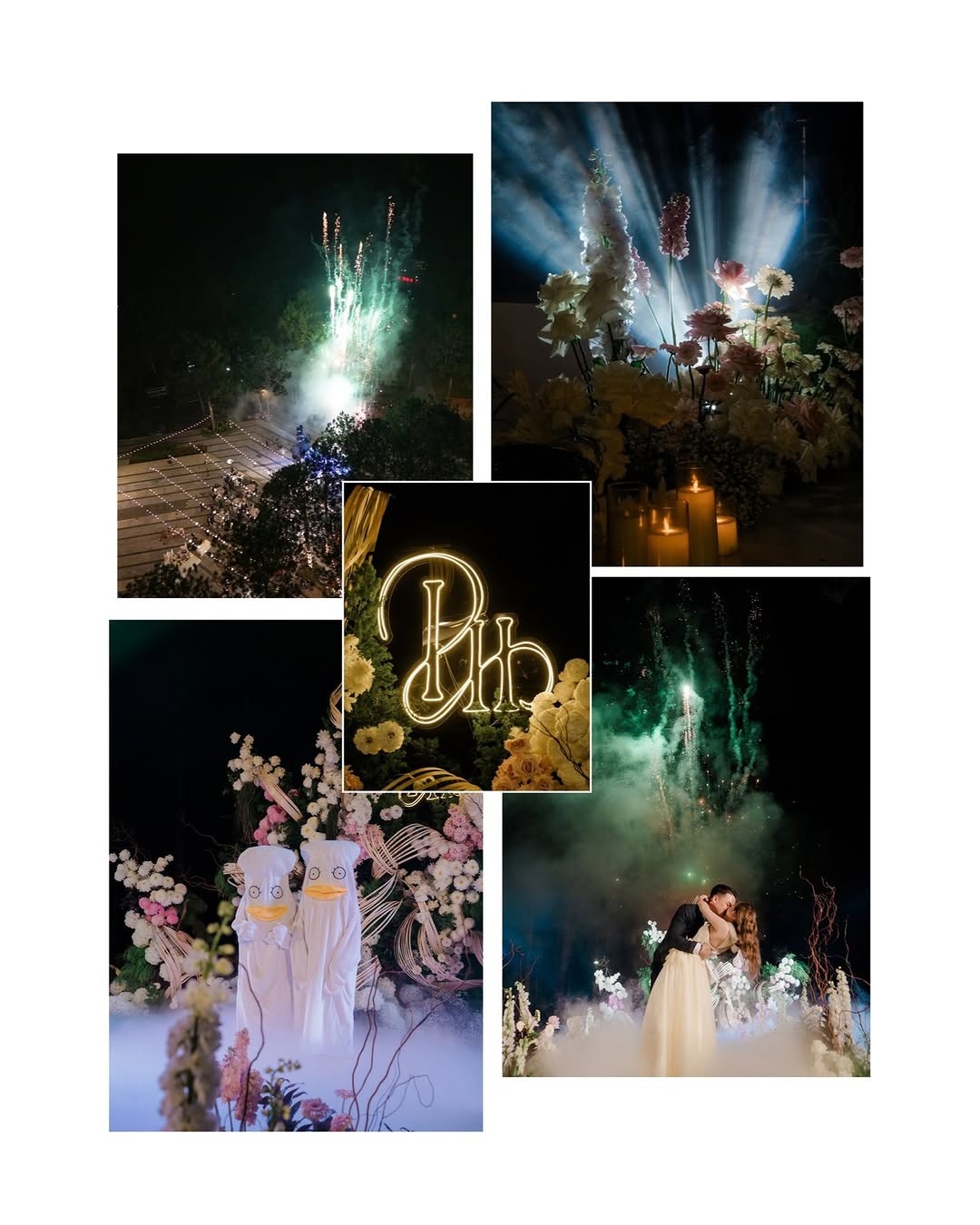
Creating a Well-Structured Ancestral Altar Ceremony Timeline to Ensure Both Families Never Feel Rushed on the Wedding Day
One common mistake is determining only the groom's family's arrival time without considering the milestones before and after the ceremony. The timeline should begin with the bride's makeup schedule, the arrival of the photography and videography teams, the delivery of ceremonial gift trays, the groom's family's arrival, the ceremony itself, ancestral altar ceremony, family photography, and departure time for the next destination.
There should be buffer time between important milestones. If every minute is scheduled without flexibility, even a traffic jam or a late-arriving family member can throw the entire schedule off track.
Handling Real-Life Situations When Organizing Ancestral Altar Ceremonies in Townhouses, Villas, or Outdoor Spaces
Townhouses often face challenges such as limited parking, narrow entrances, insufficient space for ceremonial gift trays, or conflicts between the event team's working area and guest spaces. Villas may offer more room, but the distances between different areas can make gathering family members time-consuming. Outdoor venues look beautiful in photographs but require more careful management of weather conditions, electricity, lighting, and circulation routes.
Therefore, site inspections should not be reserved solely for the decoration team. The planner needs to view the venue from the perspectives of the bride, groom, parents, elderly guests, photography and videography teams, and service providers to simulate the entire experience. When a potential bottleneck is identified before the wedding day, resolving it is always much easier than dealing with it while the ceremony is underway.
Adapting to Da Lat's Weather and Developing a Plan B for Your Wedding Day
Da Lat offers exceptional natural scenery, but its weather can change quickly, especially at semi-outdoor venues. A Plan B should not simply mean preparing an umbrella or moving everything indoors when it rains. A proper contingency plan must identify the alternative location, layout, how flowers and equipment will be relocated, the time required for the transition, and the person authorized to activate the backup plan.
Wind and humidity must also be considered when working with fresh flowers. Tall structures need reinforcement plans; real candles require careful consideration in strong winds; and fabrics and printed paper materials must be protected from moisture. Local experience helps the team identify these risks early and prevents minor weather changes from becoming major wedding-day problems.
Choosing the Right Ancestral Altar Decoration Service to Preserve Every Meaningful Moment of Your Special Day
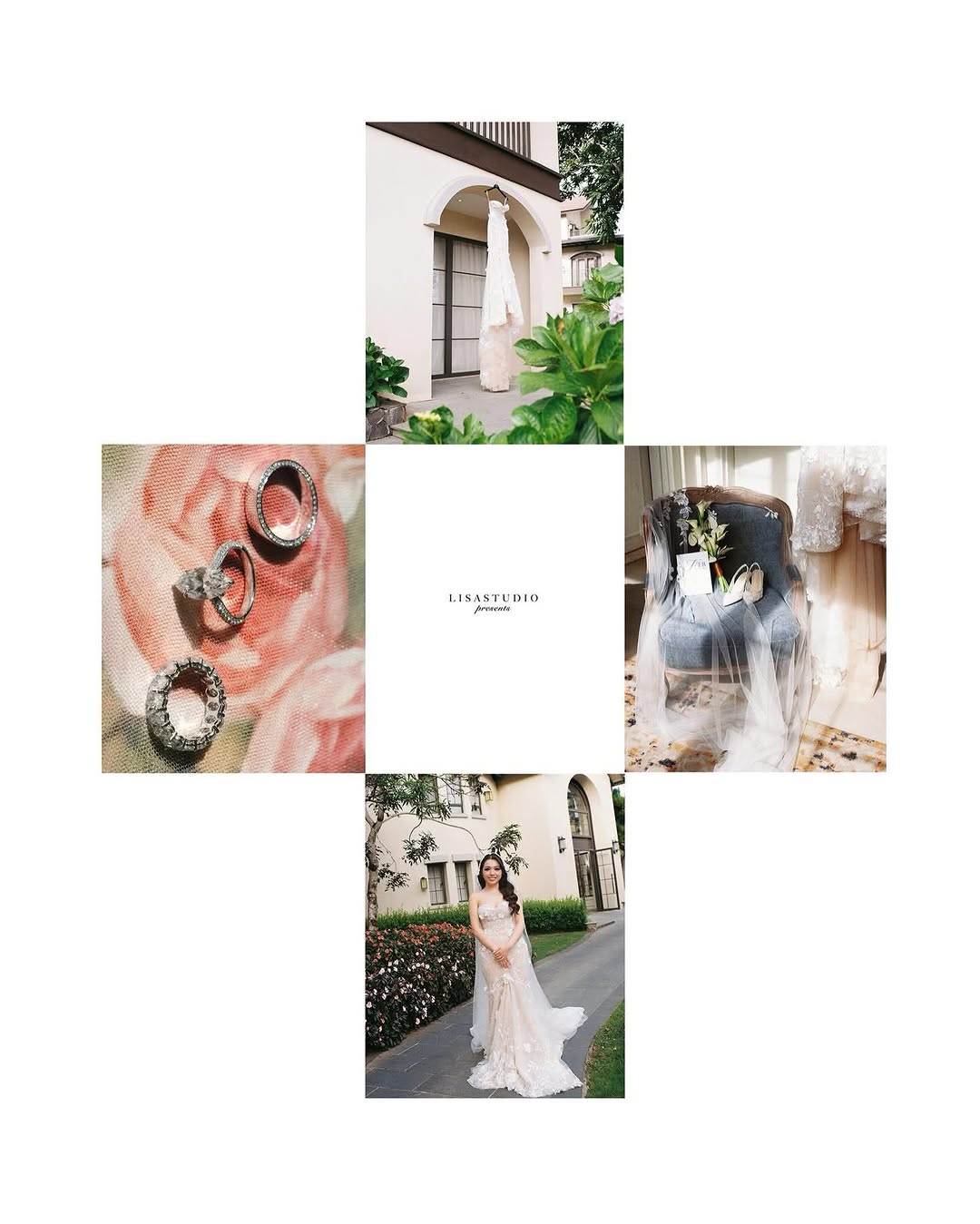
Key Criteria for Choosing a Luxury Ancestral Altar Decoration Provider: Experience, Aesthetic Vision, and Overall Management Capabilities
When Choosing a Service Provider luxury ancestral altar decorations, an impressive portfolio is essential but not enough. Couples should learn how the provider conducts site inspections, prepares budgets, manages vendors, handles changes, and coordinates the wedding day. A team with excellent aesthetic taste but insufficient operational capabilities can still create considerable pressure for the family during the most important moments.
Couples should also clarify exactly what the quotation includes, which flower varieties are planned, which items may be subject to changes, and how transportation and dismantling fees are calculated. These questions help couples assess the transparency of ancestral altar decoration costs before making a decision.
The Pine Wedding Planner – Telling Love Stories Through the Art of Fresh Flowers and Refined Wedding Ceremonies
For The Pine Wedding Planner, decoration does not begin with selecting a backdrop template. It begins with the couple's story and their family's background. From floral arrangements and material selection to the negative space within the setting, every decision aims to preserve the wedding's unique identity while respecting traditional values.
When needed, The Pine can integrate the design with full-service Wedding Planning or wedding-day coordination, ensuring that the concept, vendors, timeline, and ceremony are managed as one cohesive system. This means the bride and groom do not have to become problem-solvers on their own special day.
Custom Ancestral Altar Decoration Services in Da Lat & Ho Chi Minh City, Tailored to Every Love Story
Every home has a different structure, every family has different traditions, and every couple has a unique way of telling their story. Therefore, The Pine chooses to design each project individually rather than applying one standard template to everyone.
In Da Lat and Ho Chi Minh City, the team can accompany couples throughout the entire process, from site inspections and concept development to moodboard creation, selection of ancestral altar floral decorations, budget estimation, installation, and wedding-day coordination. This approach is particularly suitable for couples who want a beautifully prepared space without having to coordinate numerous separate tasks themselves.
The ancestral altar ceremony The ultimate result is not defined by the number of flowers or the scale of the decorations, but by how the bride and groom feel as they stand before their ancestors, beside their parents, knowing that everything has been thoughtfully prepared so they can truly be present in that moment. If you are preparing an ancestral altar ceremony in Da Lat or Ho Chi Minh City, The Pine Wedding Planner can help you develop a plan that suits your family's space, traditions, aesthetic preferences, and budget, allowing your special day to be told through a distinctive, refined, and complete visual language.
